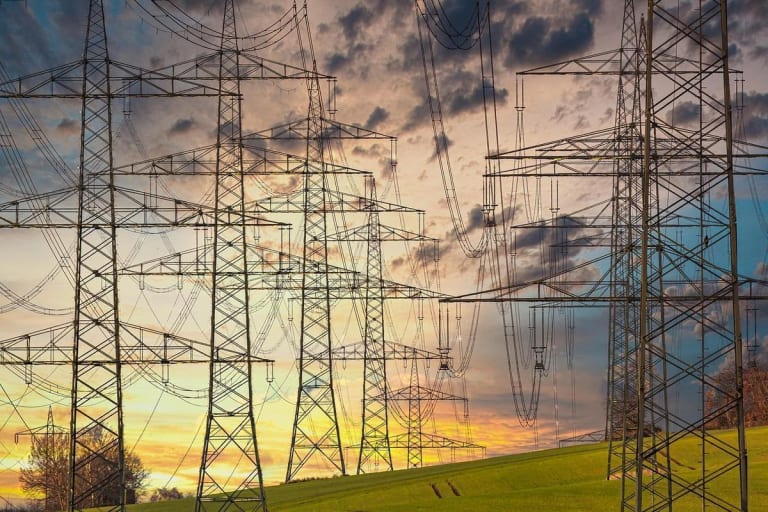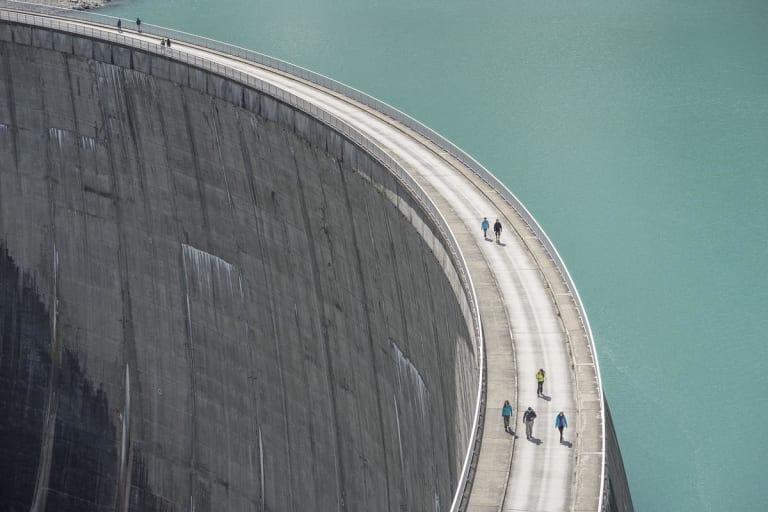
Reservoirs in the South region have reached 82% of their operational capacity, leading the Brazilian hydrological landscape, while other regions show slight variations in water resource availability.
The landscape for hydroelectric power plants in Brazil shows robust performance in the South region, which is currently operating at 82% of its total capacity. This index reflects a favorable hydrological situation, consolidating the area as a pillar of security for the National Interconnected System (SIN). Efficient water management in these reservoirs is essential to ensure the reliability of clean energy supply across the country.
While the South maintains a high level, other regions of Brazil are recording slight fluctuations in their levels. According to the latest data, the Northeast and North regions showed a slight decrease of 0.2 percentage points each, while the Southeast/Central-West subsystem — the largest in the country — remained stable, ensuring the continuity of energy supply without significant disruptions.
Regional dynamics and SIN stability
The stability observed in the Southeast and Central-West is strategic, as this region holds the majority of the installed capacity and regularization reservoirs in the Brazilian power sector. The hydrological balance in these areas is strictly monitored by the National Electric System Operator (ONS), which works to optimize the dispatch of renewable sources, balancing supply with demand in real time.
“Maintaining consistent operational levels is fundamental so that the country can transition between seasonal periods without relying excessively on higher-cost or environmentally impactful thermal sources,” industry experts analyze.
The future of the Brazilian energy matrix
The positive performance of the reservoirs, especially in the South, reinforces the importance of matrix diversification. Although water dependence has historically been high, the advancement of solar energy and wind energy has allowed hydroelectric levels to be preserved more intelligently.
This integrated operation strategy allows water to be used consciously, preserving reservoir levels for peak load moments.
For the coming months, monitoring rainfall and national consumption behavior will be decisive in maintaining this balanced scenario.
The continued cautious management of water resources, combined with the expansion of sustainability projects, points to a future where Brazilian energy security will be increasingly resilient to climate variations, keeping the country at the forefront of the global energy transition.