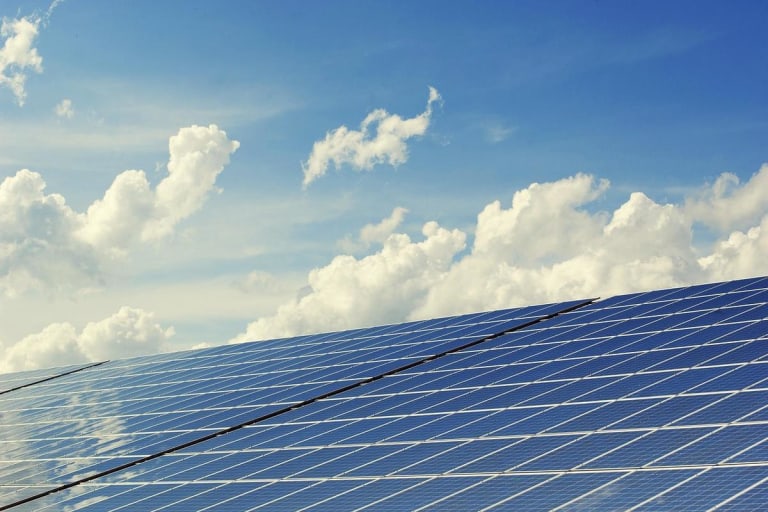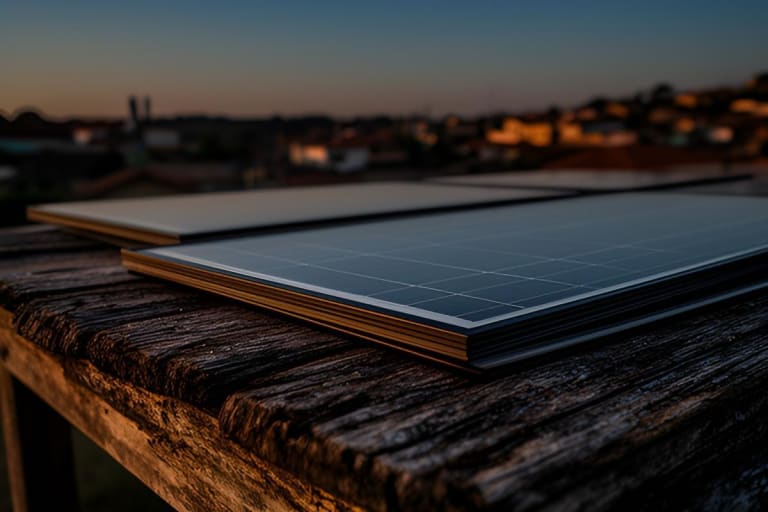
The solar energy sector in Brazil is undergoing a period of adjustment. While import indicators have declined, experts warn that this drop does not directly translate into savings for consumers.
Those looking for quotes to install photovoltaic energy systems may have seen headlines about a 48% drop in solar panel imports. However, it is crucial not to confuse the volume of equipment entering the country with the final price of an installed system.
The data, released by the consultancy Greener, refers to the flow of modules between January and June 2026 compared to the same period the previous year, and it does not represent a direct discount at retail.
While the import of components has seen a retraction, data from CCEE (Electric Energy Trading Chamber) points to a different scenario: power generation from operational plants grew by 20.9% in the first half of September.
This disconnect between import volumes and the productivity of the solar matrix reinforces that the market is in a phase of strategic inventory adjustment, rather than a generalized clearance sale for end consumers.
What makes up the real price of a system
When considering the installation of clean energy, it is necessary to understand that the module is only one of many variables. The price quoted by the integrator includes not only the panels, but also inverters, mounting structures, engineering costs, labor, utility grid approval, and technical support.
Often, a fluctuation in panel prices is offset by other logistics or operational costs. Furthermore, excessively cheap offers may hide risks regarding component quality or long-term technical support reliability.
An industry expert stated:
The best decision is based on the installed cost, connection risks, and the calculated savings for your property. It is not worth buying just because a sector indicator dropped by 48%, nor should you automatically expect the same reduction to appear in the final price.
Planning and legal certainty
One point of concern for those intending to invest now is the restriction on grid connection. Research from Greener indicates that integrators have been facing cases of power flow reversal, a problem that can make projects unfeasible in certain locations.
Before signing any contract, insist that the professional verifies whether your utility provider has restrictions in the area and confirms the technical viability of access.
Additionally, pay attention to the rules established by Law 14.300. The new legal framework for microgeneration has introduced new guidelines for the energy compensation system. When evaluating the return on investment, avoid estimates that promise to eliminate your electricity bill without considering availability fees and distribution costs.
The safest path for consumers remains a detailed analysis of multiple proposals. Compare the cost per kWp, check the reputation of the equipment brand, and, most importantly, verify if the projected savings are consistent with your actual consumption history from the last twelve months.
The transition to sustainability requires a critical eye and decisions based on concrete data about your property, rather than just passing macroeconomic trends.