Brazil’s power grid is undergoing a historic transformation: solar energy is leading the push for renewables, with forecasts projecting that clean energy sources will account for 62% of the country’s total capacity by 2035.
The Brazilian electricity sector is experiencing an unprecedented paradigm shift, cementing Brazil as a major global player in the energy transition. According to recent industry projections, solar photovoltaic energy has taken the lead in the country’s expansion of installed capacity, surpassing previous expectations and setting a new pace for growth over the coming decade.
This movement is not merely a passing trend, but the result of robust investment and growing demand for more sustainable and cost-effective alternatives. With the advancement of storage technologies and optimized costs for solar panels, the country is moving rapidly toward a future where renewable energy will represent 62% of Brazil’s total power generation infrastructure by 2035.
The strategic role of solar energy
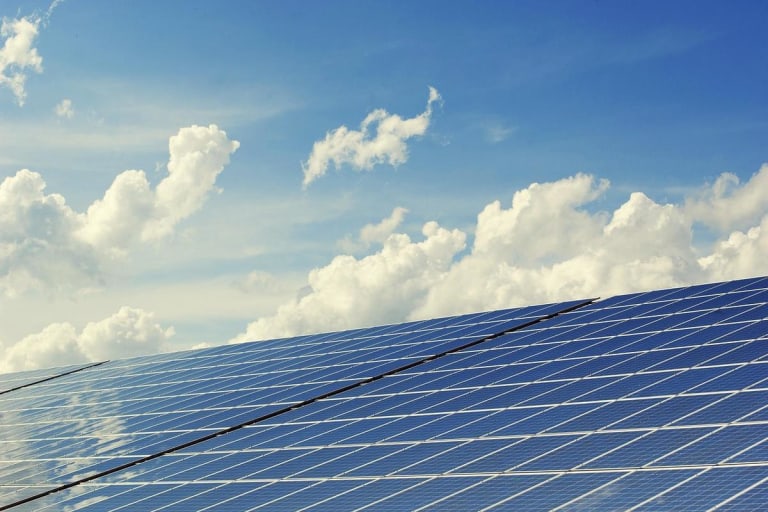
The strength of photovoltaic power lies in its versatility and rapid deployment, whether through large-scale centralized generation plants or the distributed generation model, which is gaining traction on residential and industrial rooftops. This widespread adoption allows energy to be produced closer to consumption centers, reducing transmission losses and strengthening the resilience of the National Interconnected System (SIN).
Industry experts emphasize that diversifying the energy mix is the key to energy security. Ana Beatriz Santos, a senior infrastructure analyst, notes:
“We are witnessing the democratization of access to clean energy. The growth of solar is not only helping to decarbonize the economy but is also generating significant long-term savings on electricity bills.”
Challenges and outlook for the transition
To reach the 62% renewable target by 2035, the country must overcome structural bottlenecks, particularly regarding the expansion of transmission networks and the integration of high-performance batteries. The technical challenge is to ensure that the intermittency characteristic of sources like solar and wind is effectively balanced, maintaining a stable and reliable supply for the entire market.
The future points to a scenario where sustainability is no longer just a competitive advantage, but the industry standard. With public policies incentivizing innovation and financing for green projects, Brazil is positioning itself as a hub for clean energy exports and a global model for how to intelligently and efficiently integrate renewable sources into an electrical grid.