A study by Fundação Getúlio Vargas reveals that a single 100 MW AI data center can inject R$ 1.5 billion into the Brazilian GDP, creating 12,000 jobs and driving the national digital economy.
The rapid rise of artificial intelligence has transformed the global digital infrastructure landscape, placing data centers at the center of a new wave of strategic investments. With growing demand for processing, storage, and connectivity, these facilities have evolved from mere technical units into fundamental drivers of economic development.
In Brazil, this movement is beginning to translate into significant numbers. A recent survey by Fundação Getúlio Vargas (FGV) indicates that the installation of a single data center dedicated to AI, with a capacity of 100 MW, has the potential to add R$ 1.5 billion to the national Gross Domestic Product (GDP). In addition to the direct impact on GDP, the project projects the generation of R$ 590 million in income and the creation of approximately 12,000 direct and indirect jobs.
The economic impact of data infrastructure
Deploying a facility of this scale requires a robust investment, estimated at R$ 25 billion. Of this total, R$ 5 billion is allocated to civil infrastructure, while R$ 20 billion focuses on cutting-edge technologies, such as servers, GPUs, and high-performance storage systems.
During the construction phase, which lasts between 18 and 36 months, the project acts as a catalyst for various sectors, including engineering, civil construction, transportation, and specialized services.
For Marco Alberto Silva, CEO of Grupo Engemon, the expansion represents a historic opportunity for Brazil, though he warns that success depends on rigorous technical planning.
Artificial intelligence is rapidly expanding the demand for processing and storage capacity. It is a major opportunity, but investments must be accompanied by technical planning and a realistic assessment of demand, energy, costs, and upgrade capabilities.
Sustainability and energy challenges
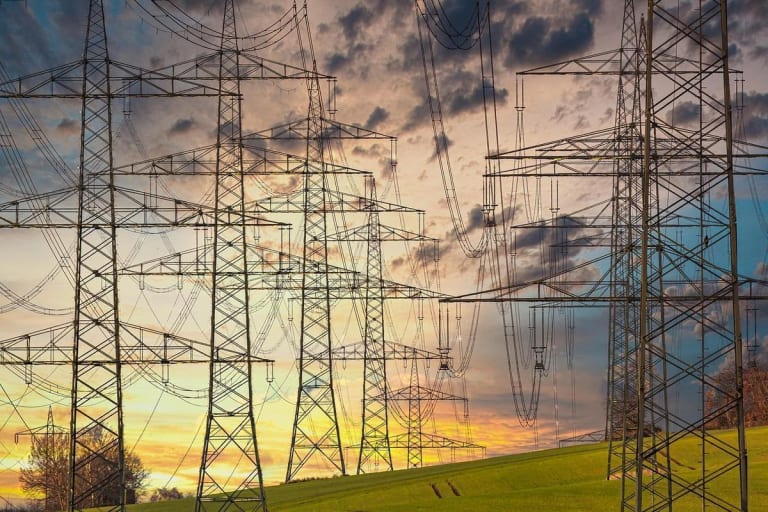
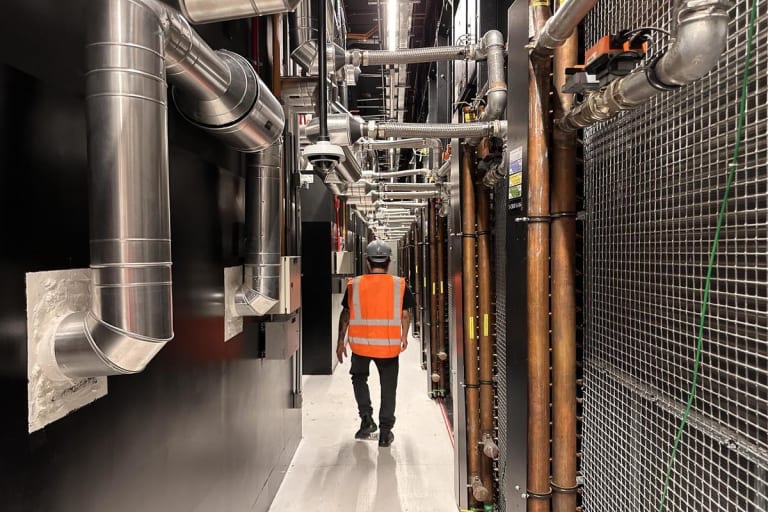
As computational density increases to support AI, energy efficiency becomes the primary bottleneck. With the energy consumption of these centers exceeding the 700 MW mark in the country, the availability of renewable energy sources and the optimization of cooling systems have become crucial factors for the viability of any project.
Energy is no longer just an operational cost; it has taken on a central role in the location, sizing, and viability of new ventures. We need to think of the energy system as an integral part of the project.
Notes Marco Alberto Silva.
Flexibility and the future of the sector
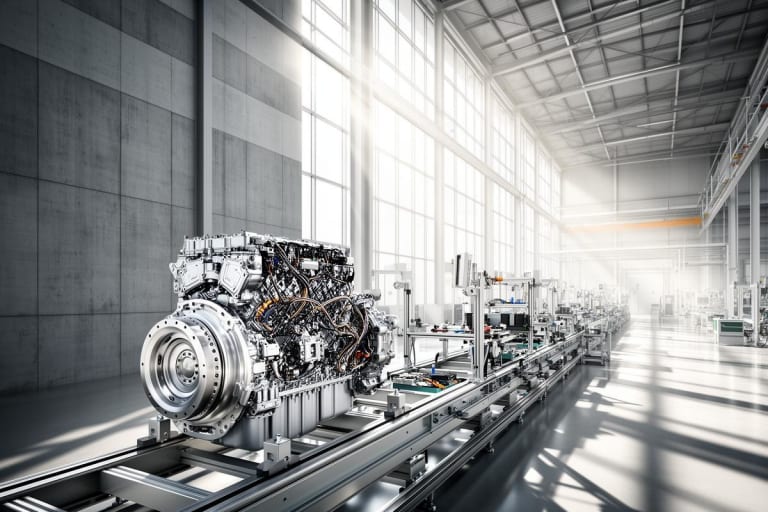
Rapid technological obsolescence requires data centers to be designed with scalability in mind. Rigid structures can become obsolete in less than five years, demanding new investments. The market is moving toward the development of customized projects that allow for agile upgrades without the need for costly reconstructions.
By integrating strategic planning, clean energy, and flexible infrastructure, Brazil is positioning itself to consolidate its standing as an international technological hub. The success of this strategy will not only strengthen the national economy but also create a robust ecosystem for innovation and professional growth in the technology sector.