Record rainfall in the South and Southeast, the highest in 17 years, transforms the national energy landscape, boosting clean generation and strengthening the system.
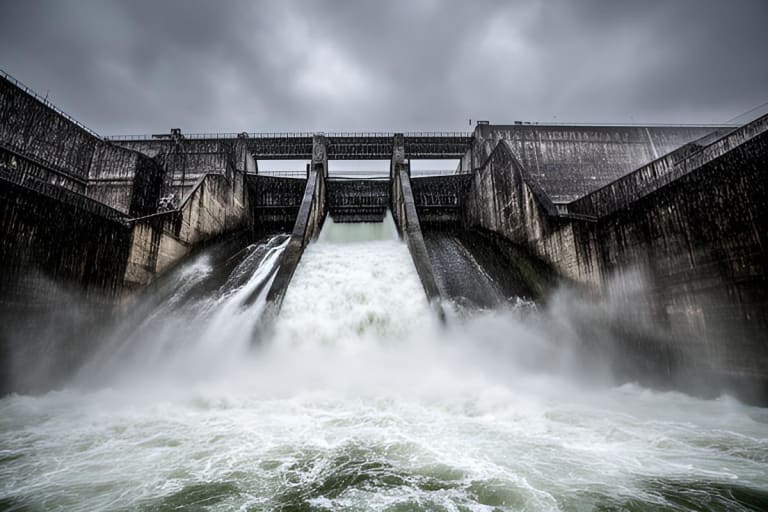
The South and Southeast regions of Brazil witnessed an atypical September, recording the rainiest period in the last 17 years. This extraordinary volume of precipitation, driven by the rapid intensification of the El Niño phenomenon, has brought significant impacts to the country, especially for the energy and water resources sectors.
The favorable rainfall scenario, resulting from the constant passage of cold fronts, revitalized the river basins of these important regions. Consequently, the hydrological conditions of the National Interconnected System (SIN) were drastically improved, creating a positive domino effect on the Brazilian energy matrix.
The Impact of Rainfall on the National Energy Matrix
The intensification of El Niño throughout September, with the warming of the Pacific sea surface, perfectly aligned with projections of a robust phenomenon for spring and summer. According to the National Electric System Operator (ONS), this climatic dynamic resulted in impressive inflows. The South of the country ended the month with Natural Affluent Energy (ENA) equivalent to 254% of the Long-Term Average (MLT), while the Southeast reached 143% of the MLT. For the SIN, the overall projection was 168% of the historical average.
This panorama, however, contrasts with the North and Northeast regions, where inflows remained below average, with the North at 53% of the MLT and the Northeast at 70%. Despite regional disparities, the abundant water supply in the South and Southeast strengthened the country’s energy security. The conditions were also reflected in the reservoirs of the South, which reached 92% of their capacity, while in the Southeast/Center-West, there was a slight reduction to 57%.
Renewable Generation Records Boost the System
The more favorable hydrological conditions not only benefited hydroelectric power plants but were also accompanied by historical milestones in renewable energy generation. The ONS highlighted, during the October Monthly Operation Program (PMO) meeting, new records for clean energy sources.
On September 2, the SIN registered an unprecedented hourly record for renewable generation, reaching 45,624 MW, which represented over 50% of the total demand. A few days later, on September 21, another milestone was achieved with a daily record of 15,391 MW average. Specific regions also saw their historical marks surpassed, such as the North, with a peak of 3,601 MW, and the Southeast, which recorded 8,131 MW average daily of clean energy.
“The intensification of El Niño and the frequent passage of cold fronts were crucial for the significant increase in rainfall, a significant relief for our river basins and an engine for sustainable energy generation.”
Balance Between Regions and the Future of Sustainable Energy
The water abundance in the South had such a significant impact that the subsystem began exporting energy to other regions, balancing national supply. In the Southeast, the increased hydroelectric generation, boosted by favorable conditions in the lower Paraná, Paranapanema, and Itaipu basins, was fundamental in compensating for the lower hydroelectric production observed in the North and Northeast.
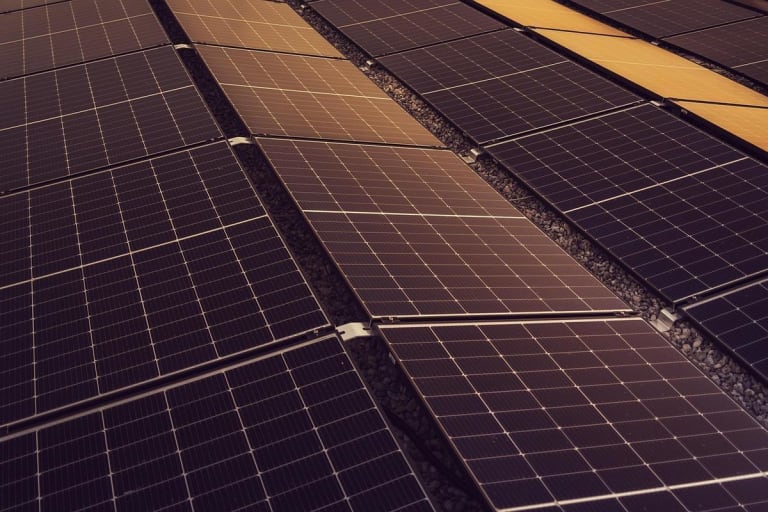
Wind energy also showed strength, especially in the Northeast, where production reached about 14.3 GW average in September, demonstrating the source’s favorable seasonality. Complementarily, combined solar generation from the Northeast and Southeast contributed approximately 11 GW average for the month, highlighting the growing relevance of renewable sources in the Brazilian energy matrix.
Outlook for Energy Security
The impact of September’s rains reaffirms the resilience of the National Interconnected System in the face of climatic variations. The ONS expects for October that rainfall will continue above average in the South and near average in the Southeast and Center-West, with the first half of the month tending to be rainier.
This positive scenario for water resources and clean energy generation is fundamental for the country’s energy security, especially in the context of the transition to a more sustainable economy. Brazil‘s ability to leverage its vast natural resources, such as water, wind, and sun, is a crucial pillar for the stability and development of the energy sector, consolidating the commitment to a greener and more efficient future.