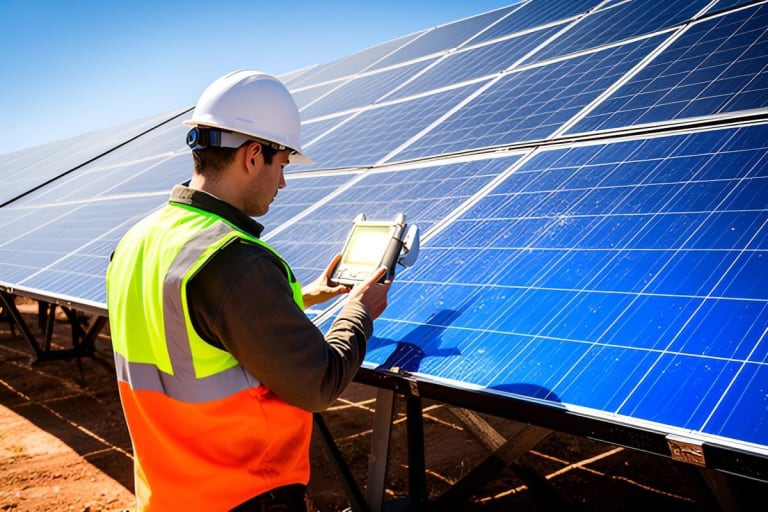
The National Energy Plan 2055 points to a future of high demand and significant expansion of renewables, but warns of bottlenecks in transmission and distribution infrastructure.
Brazil envisions a promising energy future, with the potential for demand to double over the next thirty years, driven largely by the electrification of transport and the advancement of sectors such as data centers and green hydrogen production.
This expansion, however, will not come without its challenges. The newly released National Energy Plan (PNE) 2055, published by the Ministry of Mines and Energy (MME) and the Energy Research Office (EPE), provides a detailed X-ray of the coming decades, highlighting that generation capacity alone will not be enough.
The crucial point now lies in the country’s ability to deliver this energy reliably and efficiently.
Brazil’s leadership in renewable sources, already significant, is expected to consolidate further, with these sources projected to account for over 80% of the national energy matrix by 2055. The renewal of the energy plan projects an optimistic scenario where the total energy supply could double, reflecting a robust energy transition aligned with global decarbonization goals.
However, making this transformation viable invariably requires massive investment in infrastructure.
THE TRANSMISSION BOTTLENECK AND NEO-INDUSTRIALIZATION
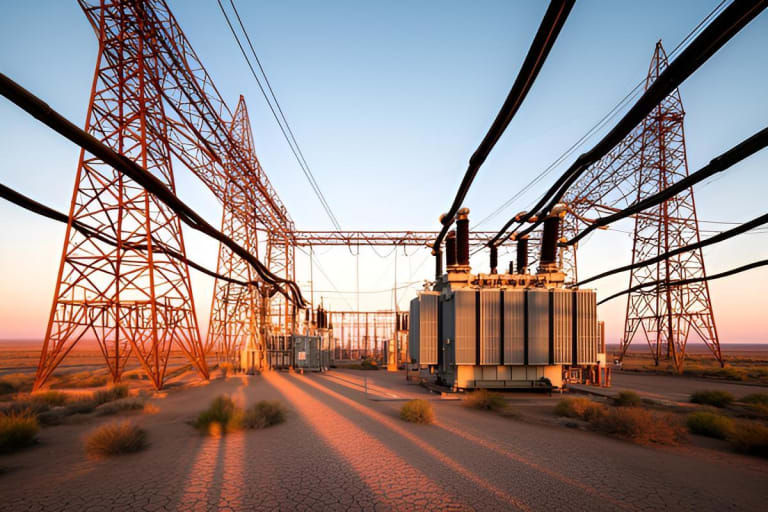
The PNE 2055 identifies transmission infrastructure as a strategic pillar for the success of Brazil’s energy transition. The goal is ambitious: to triple the length of transmission lines and transformation capacity over the next three decades.
This increase will be vital to connect new renewable generation plants, often located in remote regions, to consumption centers, in addition to strengthening regional interconnections, especially with the Northeast, a hub for wind and solar energy.
Total investments in expanding the energy matrix are expected to reach R$ 2 trillion by 2055, with a significant amount of R$ 600 billion directed specifically toward the modernization and expansion of the transmission system.
In parallel, the plan provides for the incorporation of innovative technologies, including storage solutions, which are essential to ensure the resilience and controllability of the grid in the face of the intermittency of sources such as solar and wind.
This vision for an energy future is intrinsically linked to Brazil’s neo-industrialization strategy. The country’s diversity of natural resources, ranging from bioenergy to critical minerals and rare earths, positions Brazil as a competitive player in global green value chains.
The document notes that the Brazilian economy could grow between 2.5% and 3.8% annually through 2055, driven by higher value-added sectors and the leveraging of these comparative advantages.
RISKS AND UNCERTAINTIES ON THE HORIZON
Despite the optimism, the PNE 2055 does not fail to warn of the risks. One of the main uncertainties lies in the productive and technological dependence on the supply chains necessary for the energy transition.
Having an abundance of natural resources does not automatically guarantee a leading role in future global industrial chains focused on decarbonization.
The plan also considers the evolution of fossil fuels. Although the share of oil derivatives in the final energy supply is expected to fall significantly, from about 40% to less than 10% in the most ambitious scenarios, national energy security in a complex international landscape keeps oil and gas relevant in the planning process.
National oil production may peak in 2030, but is projected to decline in the long term, while demand for natural gas is expected to increase. The challenge will be to balance the transition with guaranteed supply and economic competitiveness.