
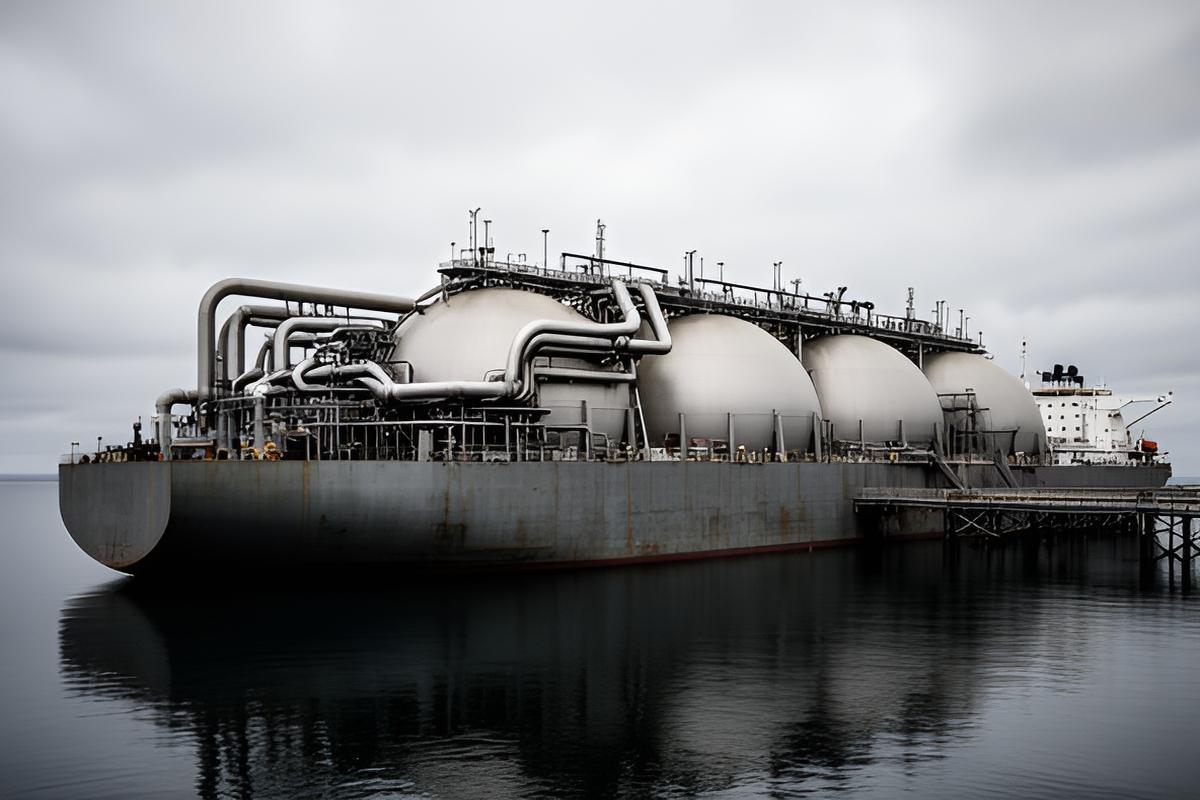
The state-owned Petrobras is exploring the use of liquefaction vessels to export natural gas as a strategic alternative amid regulatory debates over the domestic market.
During the presentation of quarterly financial data, Petrobras highlighted liquefied natural gas (FLNG) vessels as part of various corporate initiatives. The board explained that recent technological advances have made this type of vessel viable for multiple production flow scenarios.
The discussion is gaining momentum largely due to the unfolding of the market decentration program, the so‑called gas release, led by the ANP. With implementation expected from 2027, the rule has prompted caution at the top of the company, which seeks to protect the profitability of its most complex assets and ensure the long‑term financial security of its operations.
The Future of Sergipe Águas Profundas
The main focus of this debate centers on the Sergipe Águas Profundas complex, abbreviated SEAP. Because the region’s reservoirs contain significant gas in addition to oil, the company noted that any external regulatory interference directly impacts the financial equation of the project, warranting a thorough risk analysis before proceeding with new infrastructure bids.
Given the regulatory uncertainty, the company has slowed the pace of tenders for the local export pipeline. Management believes that reinjecting the feed back into the wells represents revenue loss, increasing the commercial appeal of alternative solutions for external production export.
Renata Baruzzi, Petrobras director, emphasized:
We have been studying FLNG for various alternatives… The market has evolved significantly in recent years.
Beyond the Brazilian case, offshore liquefaction technology is also under study for the Sirius project in Colombia. The goal is to assess the economic viability of each logistical route before making definitive investment decisions.
Regulatory Disagreements and Next Steps
While the oil company seeks commercial flexibility, the sector’s regulation faces intense debate. Representatives of the ANP noted that changes to already consolidated development plans require institutional approval and should not occur in isolation, advocating for prioritizing supply to the domestic market due to the global competitiveness of the commodity.
The discussions remain at the heart of the national energy agenda, involving bodies such as the CNPE, with the goal of harmonizing the expansion of new block offerings in exploratory frontiers and ensuring supply security, while Petrobras weighs the best ways to monetize its offshore reserves.