
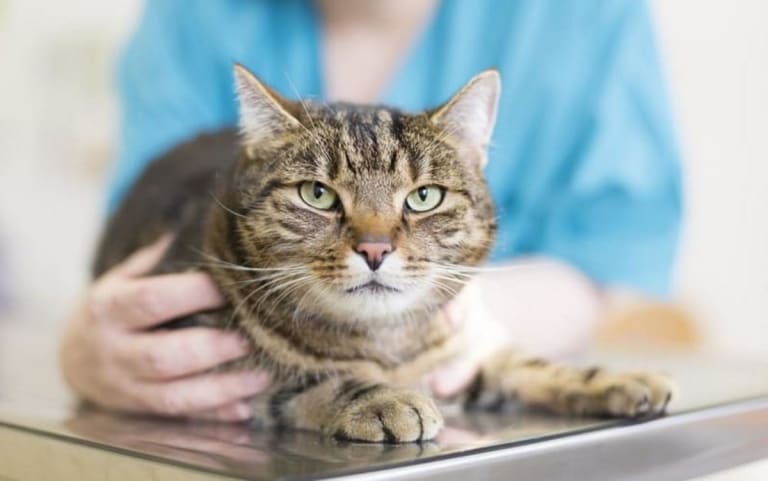
The pet market in Brazilian retail reveals strong growth in cat products in 2026, driven by demographic shifts and new household structures.
The pet sector in Brazilian food retail is experiencing a transformation in 2026. Driven by changes in urban lifestyles, the segment is seeing steady growth, sustained primarily by high demand for feline-focused items—a trend that gained strong momentum following the social isolation period in 2020.
Although dog food and supplies still lead the sector’s total revenue, the canine market share has declined in recent years, falling from 56.2% to 54.1%. In contrast, the market geared toward cats has expanded its share significantly, jumping from 28.4% to 31.0%, according to exclusive data from Scanntech obtained by Times Brasil.
Shift in the profile of Brazilian households
This consumption shift directly reflects the demographic transition mapped across the country. Smaller residences, with fast-paced routines and new family arrangements, find felines to be the ideal companion due to their renowned independence and lower physical space requirements.
According to the survey, which is based on fiscal receipts, the sales growth is not driven by inflation, but rather by the volume purchased by pet owners. Consumers are effectively bringing more merchandise home to meet their animals’ needs.
According to the IBGE Census, single-person households rose from 10% to 19% between 2010 and 2022, and childless couples from 20.2% to 24.1%. In smaller homes with fewer residents, cats tend to gain ground due to their size and independence. And the growth comes from the volume purchased, not price increases: consumers are actually buying more cat products.
— Felipe Passarelli, Head of Market Intelligence at Scanntech
Outlook for the pet sector
The consolidation of this preference for felines is redefining industry and supermarket strategies. In the coming months, retailers are expected to bolster shelf assortments specifically targeted at this audience, focusing on a wider variety of foods and accessories.
With the strengthening of this trend, the national pet market demonstrates resilience and the ability to rapidly adapt to new consumer demands, paving the way for continued expansion across the entire production chain in the coming years.