
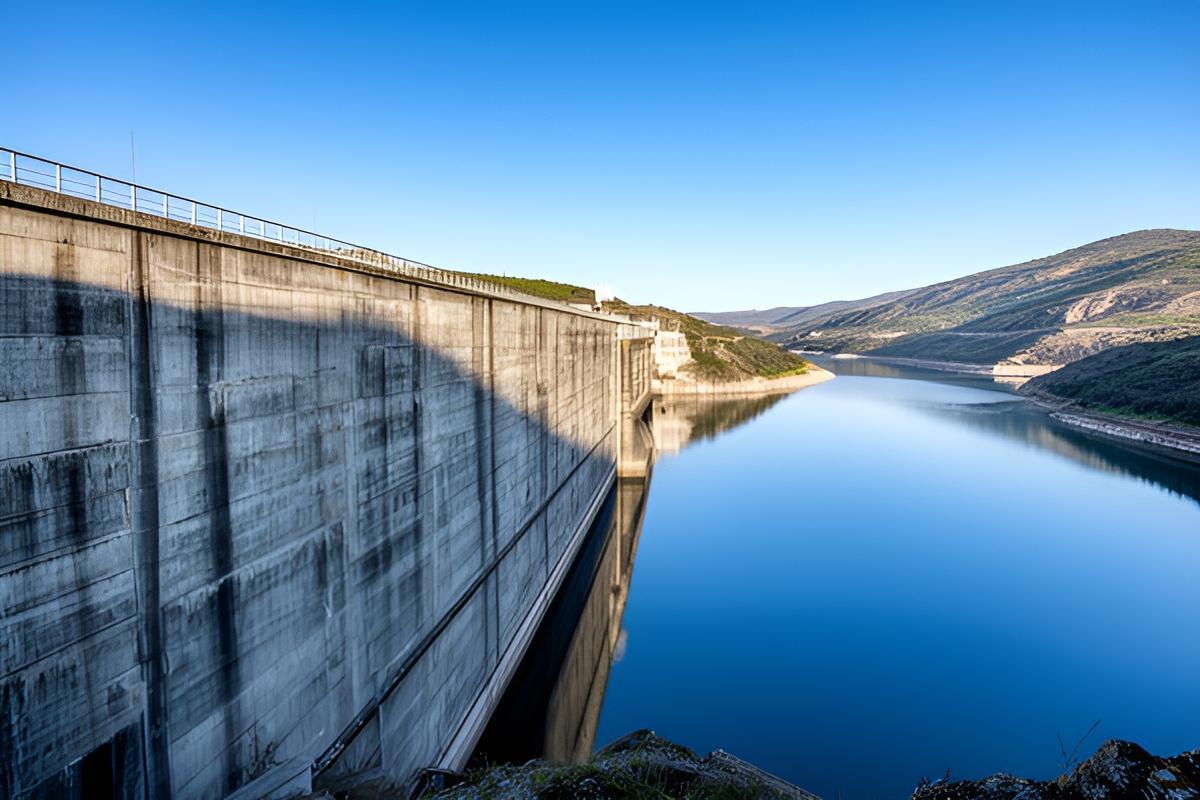
A new methodology for calculating Paraguay’s energy consumption at the Itaipu plant could raise Brazil’s electricity costs by up to 25% by 2028.
The pricing framework of Brazil’s electric sector is undergoing a significant review. Itaú BBA, through recent simulations, warned of a substantial impact caused by the change in how Paraguayan energy consumption will be projected from 2027 onward.
The adjustment, proposed by ENBPar to the ONS, aims to align the estimate with the reality of a growing consumption in the neighboring country, which has been exceeding current expectations.
The scenario points to a direct pressure on short‑term prices in Brazil. With the increase in Paraguay’s domestic demand, the surplus energy from the binational Itaipu hydro plant that is available to the Brazilian market—known as the excess—tends to shrink.
Because this load is accounted for in the Southeast/Central‑West submarket, the reduction in available supply forces the system to rely on more expensive sources to cover the deficit, raising the so‑called marginal energy price.
Impact Projections on Costs
Analysts at Itaú BBA indicate that if the new methodology is implemented, the average marginal price could see significant increases between 2027 and 2029.
In 2028, the projection is a 25% jump in energy cost. The financial impact is expected to be felt year over year, with variations reaching 21% in 2027 and 17% in 2029.
Additionally, the Brazilian system will need to increase thermal dispatch by about 11% annually during this period, a direct reflection of the need to ensure energy security amid reduced hydroelectric availability from Itaipu.
When considering a limit equivalent to half of Itaipu’s projected generation, the bank calculates a smaller increase in Brazil’s net demand, averaging 292 MW in 2027, or 0.6%. It is on this premise that Itaú BBA estimates the impacts on thermal dispatch and marginal prices.
Causes of Paraguay’s High Demand
The rise in consumption in Paraguay is not accidental. Ande, the Paraguayan state company in the sector, has recorded a rapid growth in energy supply, driven by the arrival of electro‑intensive industries.
The cryptocurrency mining sector and the installation of data centers have consistently increased the required load in recent years.
Another critical point is the coincidence of peak times. Paraguay’s consumption peak, especially between April and September, occurs around 6 p.m.
This time is exactly when Brazil’s National Interconnected System (SIN) experiences the drop in solar generation and the peak of domestic demand, creating a “window” of greater stress for the national electric system.
Perspectives and the Future of the Market
The final impact on prices will still depend on hydrological conditions. In dry periods, when the system’s total generation is reduced, the rise in energy costs can be even more pronounced, as shown by Itaú BBA models.
On the other hand, the methodological change reinforces the need for greater agility in sector planning.
Companies with thermal and hydroelectric assets that have energy availability, such as Eneva, Engie, Auren, Copel and Axia Energia, may be the most impacted, benefiting from the appreciation of energy during periods of tighter system conditions.
The market now watches the transition to the new rule, which promises to redefine the cost balance of binational energy from the beginning of 2027.