The Brazilian panettone market has recorded a notable increase in revenue, reaching R$ 1.36 billion, driven by a preference for premium products and their strong appeal as gifts during the holiday season.
The traditional holiday treat, the panettone, has shown surprising resilience and adaptability in Brazil, posting 3.5% growth in revenue during the 2025/2026 season. This increase, which added R$ 45.8 million to the sector, signals a strategic shift in consumer behavior, with buyers opting for higher value-added items despite a slight dip in total sales volume.
Data presented at the Salão do Panetone 2026 and compiled by Worldpanel by Numerator for Abimapi reveal that, despite a 3.4% reduction in volume—equivalent to 50,000 tons—the revenue increase is a clear reflection of the demand for premium products, filled varieties, and gift-oriented packaging. This conscious shift by consumers has been the cornerstone of the industry’s financial success.
Value-Driven Strategy Offsets Volume Decline
The R$ 1.36 billion in revenue generated by the panettone industry is a testament to the effectiveness of the value-based strategy adopted by brands. The market understood and responded to the demand for more sophisticated options, transforming the panettone from a seasonal staple into a desirable gift.
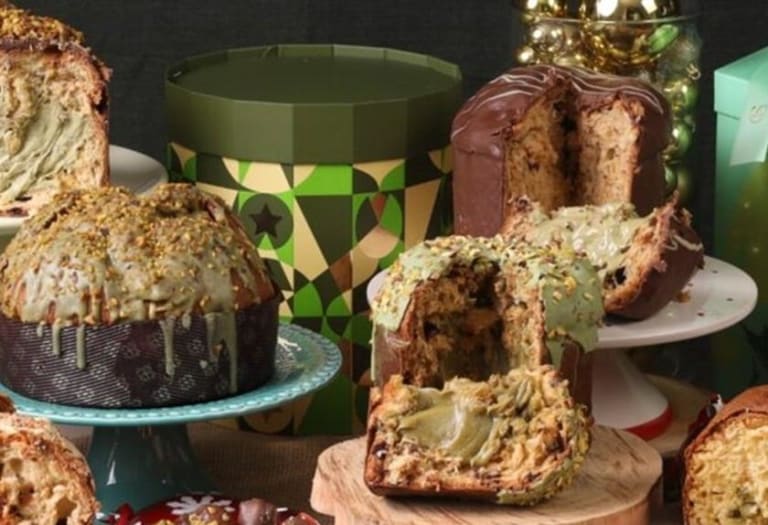
Despite the decrease in volume, the focus on filled panettones and the “Super Tier” product lines proved successful. Varieties featuring truffle, dulce de leche, and hazelnut, for example, drove 4.5% growth in this specific segment, highlighting the consumer search for more elaborate gastronomic experiences.
Consumption Dynamics and Preferred Packaging
Panettone maintained an impressive 63% penetration rate in Brazilian households, confirming its status as an essential item for holiday celebrations. Notably, 33.1% of total sales volume was specifically designated for gifting, reinforcing its role in the exchange of gestures of affection during the year-end festivities.
Regarding packaging, the traditional 400g option remains the leader, capturing 64.2% of sales. However, larger formats, between 601g and 1kg, registered a significant advance, reaching an 18.5% market share and indicating a preference for products that offer more to share or give as gifts.
Who is Consuming: Profile and Habits of “Lovers”
An analysis of the panettone consumer profile reveals interesting insights. Mature households, with individuals over 50, lead consumption, accounting for 41.7% of the volume. Class C represents the largest share of purchases at 48.6%, followed by A/B classes, which account for 35.2% of the market.
Within this scenario, one group stands out: the “Panettone Lovers.” Although they represent only 20% of buyers, they are responsible for an impressive 48% of total volume consumed. These enthusiasts begin their shopping as early as October and November, with a strong concentration in São Paulo (40.5%) and the Southern Region (17.6%). Meanwhile, “Moderate” consumers (30%) prefer to purchase their filled panettones between November and December, while “Occasional” buyers (50%) wait until January to seek promotions on premium items.
“The resilience and adaptability of the panettone market are evident, with consumers increasingly seeking sophisticated experiences and products that transcend tradition, whether for personal consumption or gifting.”
Brand Loyalty Bolsters the Sector
Brand loyalty remains a fundamental pillar for the panettone market. The top 20 brands in the sector successfully maintained 83.8% of consumer loyalty. This engagement is supported by efficient distribution through hypermarkets, independent retailers, and chocolate shops, which ensure the availability of preferred panettones across various points of sale.
The current landscape points to a sector that, despite volume challenges, has managed to reinvent itself and add value to its products. The focus on premium panettones and attention to the different facets of the consumer ensure that panettone will continue to be a protagonist in Brazil’s year-end celebrations, promising innovation and new experiences for future cycles. The ability to listen to the market and deliver exactly what the consumer wants, whether for the table or a special gift, is the key to the industry’s continued success.