The ONS has requested an extended 180-day period from Aneel to begin testing the new renewable energy curtailment guidelines.
The clean energy sector in Brazil is eagerly awaiting the next regulatory steps that will define the future of surplus management and generation restrictions. The National Electric System Operator (ONS) has submitted a formal request to the National Electric Energy Agency (Aneel) to recalibrate the implementation timeline for the so-called shadow operation, linked to discussions from Public Consultation 45/2019. The measure aims to ensure greater technical and operational robustness before the new curtailment rules become fully effective within the National Interconnected System.
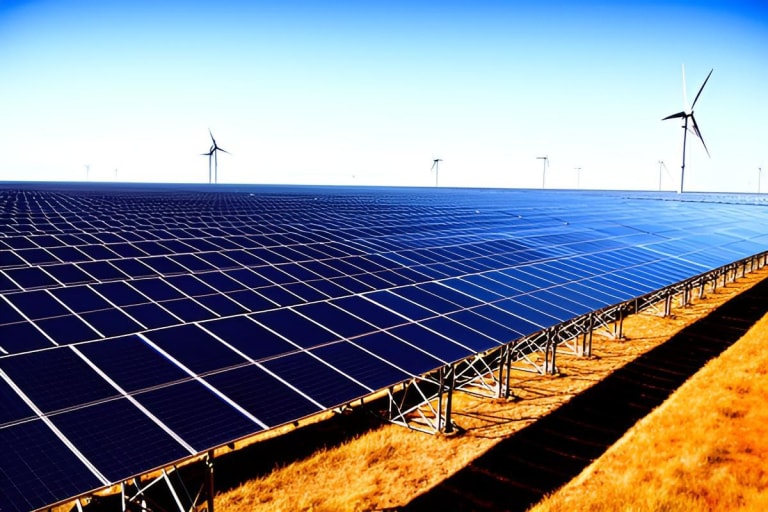
The discussion on curtailment gained traction due to the accelerated growth of solar and wind power sources, requiring fine-tuning of the electricity matrix to prevent waste and ensure grid stability. The issue has returned to the center of regulatory negotiations and is expected to be revisited by the federal agency’s board, following an in-depth analysis period conducted by Director Gentil Nogueira.
Adjustments to the Shadow Operation Schedule
The original proposal presented by the agency’s directors stipulated that the testing phase and the transitional period would begin simultaneously, 90 days after the resolution’s publication. However, the sector’s technical operator argues that the dynamics of shadow operation demand the simulation of multiple complex scenarios, justifying the separation of deadlines.
Under the new suggested format, the transitional period would be maintained at up to 90 days, while the preparatory testing phase would gain an additional 180 days.
Separating the schedules avoids overloading internal systems and processes preparation, ensuring a safer transition for generating plants.
Specialists following regulatory developments point out.
Sharing of Cuts and System Security
In addition to extending the testing deadline, the operator suggested changes to the model for sharing energy restrictions during the transition. The central idea is to promote a more dynamic balance between wind power and solar power generating plants, unifying the sharing of cuts between these technologies from the first stage, while the inclusion of hydroelectric power plants would be deferred to the future.
The debate also covered specific situations of self-generation of energy, where the operator reinforced the need to reserve prerogatives to intervene in the entire generating park if the electric system’s security requires drastic measures. The next meeting of the regulatory agency’s board will bring crucial new developments for balancing these assets in the regulated market.