Global oil instability puts diesel prices in Brazil at risk.
Fluctuations in the international oil market have sounded an alarm for Brazil. Geopolitical conflicts and imbalances between oil supply and demand have caused significant volatility in the price per barrel, the effects of which are already being felt in the national economy.
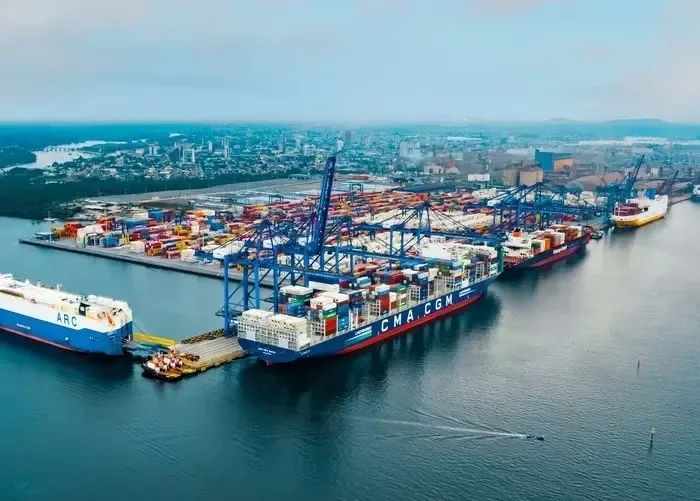
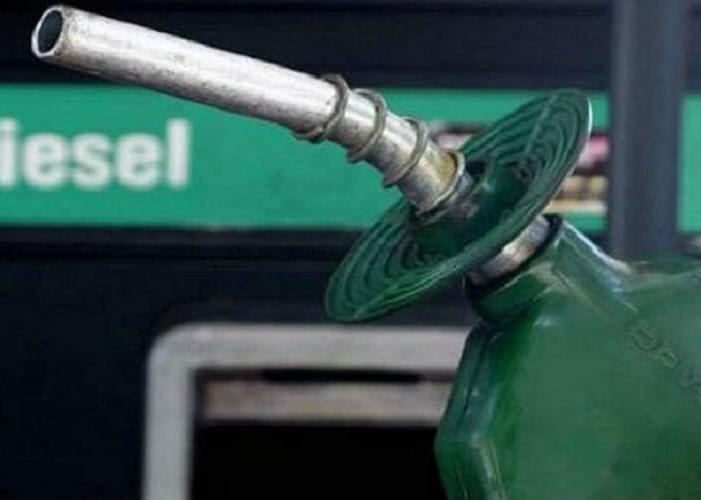
The fuel sector, particularly diesel, stands out as a primary point of concern. While Brazil is a major producer of crude oil, it still needs to import refined products to meet its domestic demand. This external dependence leaves the country vulnerable to shifts in the global market.
The transport and logistics chain is directly affected. With road transport being the primary method for moving goods across the country, a persistent rise in the cost of diesel increases freight costs. This, in turn, can trigger a cascading effect on inflation, raising the prices of final products for consumers.
According to Bruno Bressan Marcondes, partner and leader of oil and gas at KPMG in Brazil, Brazil’s vulnerability is concentrated precisely in diesel. The inflationary pressure on freight is a latent concern, especially in a country with Brazil’s territorial size and heavy reliance on road transport. The dynamics of importing refined products expose the domestic economy to international volatility, affecting corporate competitiveness and the pockets of everyday citizens.