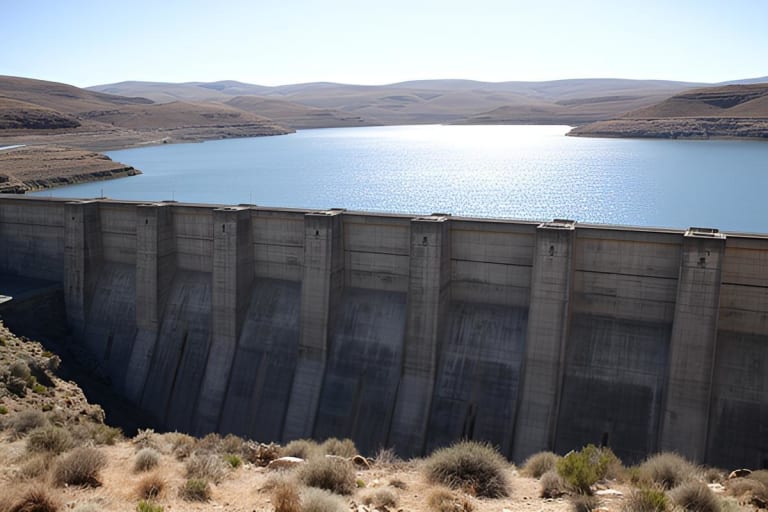
Reservoirs in the Northeast reached 68.5% capacity, while the North, Southeast/Central-West, and South regions recorded modest variations in their water reserves this week.
The water resources scenario across the country presents a stable outlook, yet with distinct regional dynamics for power generation. The positive highlight goes to the Northeastern electric sector, where reservoirs in the Northeast hit the significant mark of 68.5% of their total capacity, ensuring security for the supply of clean energy in the area.
While the Northeast consolidates favorable indices, the other river basins monitored by the National Electric System Operator showed discrete fluctuations. Experts in sustainability and energy transition are closely monitoring these movements, which directly influence the matrix of renewable sources nationwide.
Basin Behavior in Other Regions
In the North region, useful volume suffered a slight retraction of 0.4 percentage points. The integrated complex of the Southeast and Central-West — considered the heart of Brazilian hydroelectric power — also recorded a subtle decline, on the order of 0.2 percentage points in its storage capacity.
On the other hand, the South region bucked the downward trend observed in part of the territory and posted an increase of 0.2 percentage points in its levels. This gradual recovery is welcomed by energy market managers, who rely on rainfall predictability to optimize energy dispatch.
Outlook for the Energy Sector
Experts emphasize that weekly fluctuations of this magnitude are normal within the hydrological cycle. Maintaining safe levels in reservoirs is essential to avoid the need to dispatch complementary power plants and to keep the focus on expanding green infrastructure.
Efficient management of water resources is the key to ensuring the stability of the national electricity matrix, balancing the supply of renewable energy with the demands of sustainable development.
For the near future, continuous monitoring of weather conditions will continue to guide the strategies of the energy sector. The expectation is that integrated planning will allow the country to leverage the positive momentum in the Northeast and the recovery in the South to consolidate an increasingly resilient scenario for the green economy in Brazil.