A recent study by TAG reveals that natural gas and storage batteries take on complementary and strategic roles to ensure the sector’s energy flexibility.
The clean energy and energy transition market is undergoing profound transformations, requiring increasingly agile solutions for the stability of electrical systems. A study released by TAG offers new perspectives on how different technologies can work together to address fluctuations in renewable energy generation, such as solar and wind power.
The research details that the two main tools evaluated — the use of natural gas power plants and energy storage systems using batteries — do not compete with each other. On the contrary, they perform well-defined and essential functions for the security of the national power supply in the face of modern challenges.
The agility of batteries in rapid response
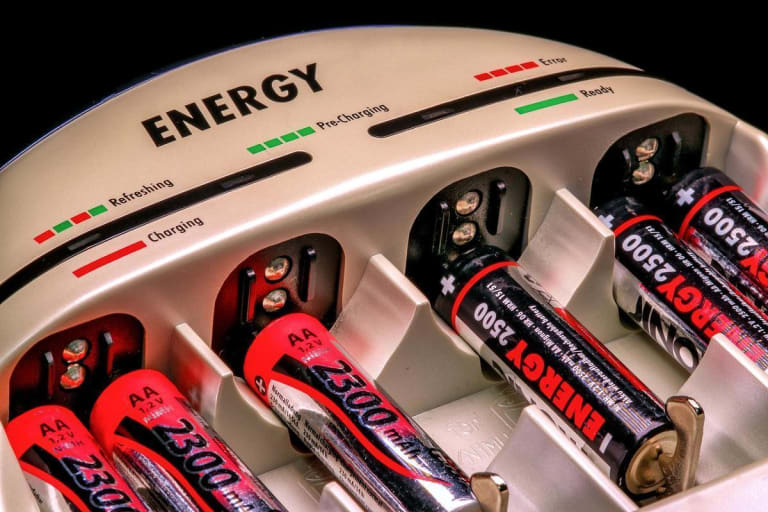
Lithium-ion batteries and other storage technologies stand out for their near-instantaneous reaction capability. When there is a sudden drop in renewable energy generation, these devices spring into action in fractions of a second, stabilizing the grid and preventing blackouts or severe frequency instabilities.
This characteristic makes battery storage the ideal choice for short-term control, managing peak demand and ensuring the quality of energy delivered to final consumers in a highly efficient manner.
The strategic role of natural gas firm power
On the other hand, natural gas assumes the responsibility of providing so-called firm power. While batteries cover immediate moments, gas power plants can maintain high generation levels for extended periods, ensuring supply during consecutive days with low wind or solar generation.
The intelligent combination of the instant response of batteries and the robustness of natural gas is the path to consolidating a modern, secure electrical system prepared for the expansion of renewable sources.
This technological complementarity paints a promising scenario for the future of energy infrastructure. With the advancement of regulatory discussions and the decreasing cost of clean technologies, sector planning gains more precise tools to optimize costs and reduce emissions.
In the coming years, the Brazilian regulatory framework is expected to incorporate these guidelines to incentivize investments in energy flexibility. The balance between gas and batteries will be crucial for the country to achieve its sustainability goals without compromising the operational reliability required by the market.