

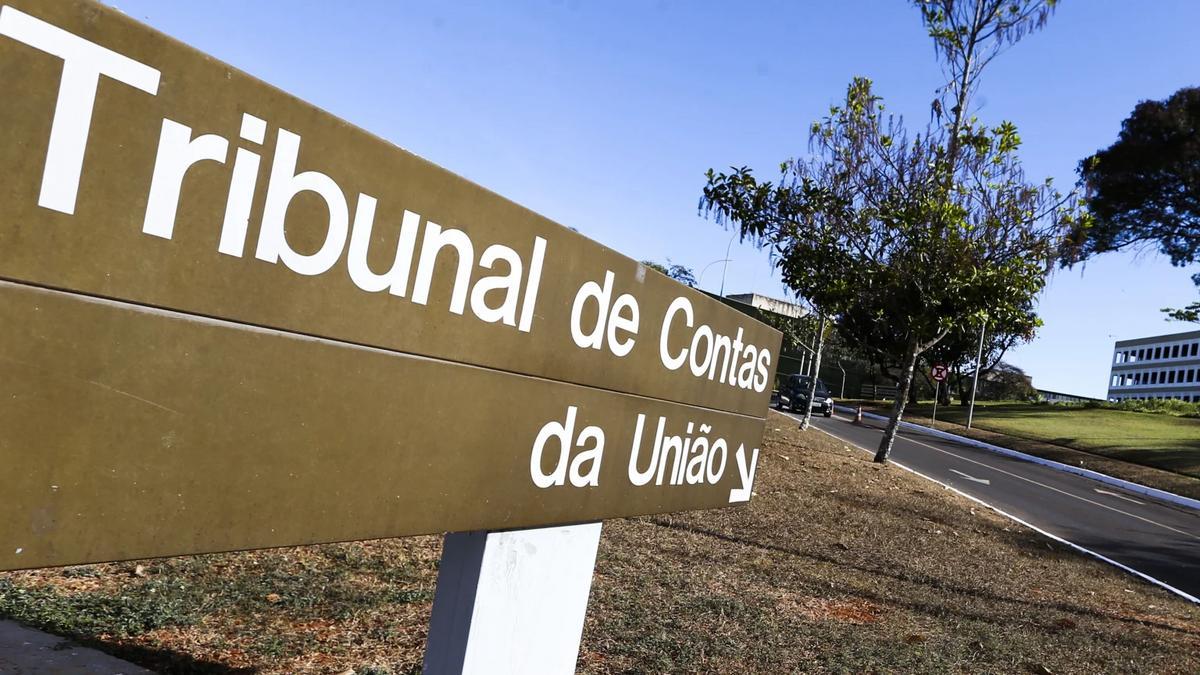
The Public Prosecutor’s Office at the Federal Court of Accounts requested an investigation into the institutional collapse of the National Mining Agency, warning of risks to oversight and the country’s energy transition.
The Public Prosecutor’s Office at the Federal Court of Accounts (MPTCU) officially called on the court of accounts to investigate a pattern of operational degradation at the National Mining Agency (ANM).
The filing alleges that deep budget constraints and a lack of staff threaten the implementation of the National Policy on Critical and Strategic Minerals (PNMCE).
According to the control body’s assessment, the stagnation of regulatory activities undermines economic development and exposes the country to serious operational and environmental risks.
Budget crisis and personnel deficit
The agency’s critical situation stems from successive budget cuts and the failure to replenish its technical workforce over recent years.
Records attached to the case indicate that roughly 60% of the ANM positions are currently vacant, halting essential technical analyses.
In addition to the staffing shortfall, about 80% of the financial resources earmarked for the regulator have been blocked by the federal government in the recent period.
Under current law, the institution should receive 7% of the revenue from the Financial Compensation for Mining Resource Exploitation (CFEM) to fund its operations.
However, the continued withholding of these funds makes fieldwork and the modernization of national mining control systems unfeasible.
Threat to oversight and risk of tragedies
The financial strangulation directly impacts the safety of mining structures across Brazilian territory.
The funding limitation has led to a projected cut of up to 50% in on‑site inspections conducted by agency inspectors.
Deputy Attorney General Lucas Furtado underscored the seriousness of reducing monitoring of critical infrastructure.
“In my view, the half‑reduction of on‑site inspections in 2026, admitted by the ANM itself, is not a management measure—it is a sentence of danger. Brazil tragically and irreversibly knows the consequences of uncontrolled tailings dams.”
The representative of MPTCU emphasized that the state’s loss of operational capacity significantly increases the sector’s vulnerability.
“There is no technical or administrative doubt that ANM’s lack of fiscal oversight heightens the risk of new accidents. What is being announced, therefore, is not an administrative crisis but a foregone tragedy.”
Impacts on Critical Minerals Policy
The regulatory weakening affects national planning for the energy transition and the exploitation of strategic inputs such as lithium and rare earths.
The effective implementation of the PNMCE depends on the state’s agility in reviewing processes, granting mining rights, and monitoring industrial production.
Without a functional state structure, projects that add value to local raw materials risk stalling due to bureaucratic hurdles.
The deputy prosecutor highlighted that the agency’s collapse jeopardizes the socio‑environmental commitments the government has made on the international stage.
“What is at risk is Brazil’s future — its ability to industrialize, add value to its natural wealth, protect its populations and environment, and uphold the narrative of leadership that has been built before the international community.”
The investigation conducted by the Federal Court of Accounts will seek to determine urgent corrective measures to restore the agency’s budget and staffing.
Normalizing the activities of the ANM is seen as an indispensable prerequisite for attracting new investments with legal certainty and environmental responsibility.