A new survey by CNI reveals que more than half of Brazilian industry already applies circular economy methods, with a significant highlight for the biofuels sector.
The transition toward more sustainable production models is gaining traction in the country. A recent survey conducted by the National Confederation of Industry shows that industrial sustainability is no longer just rhetoric and has become part of the daily routine of a large share of national manufacturing plants.
The survey mapped the behavior of more than 1,600 business leaders nationwide. The data demonstrate that the smart use of natural resources and the reuse of materials have become fundamental pillars for modernizing Brazil’s manufacturing park, driving the so-called energy transition.
The strategic role of biofuels
Within this scenario of transformation, the biofuels segment stands out positively. Three out of four companies in this market have already incorporated sustainable routines, placing the sector in fifth place overall in terms of adopting these ecological guidelines.
In addition to high adherence, companies producing renewable fuels are among those that best understand the direct link between reusing inputs and reducing pollutant emissions. For experts, this synergy strengthens the national commitment to combating climate change.
When nearly 60% of industry adopts circular practices, we see a clear commitment from the productive sector to sustainability
Strategies and economic benefits
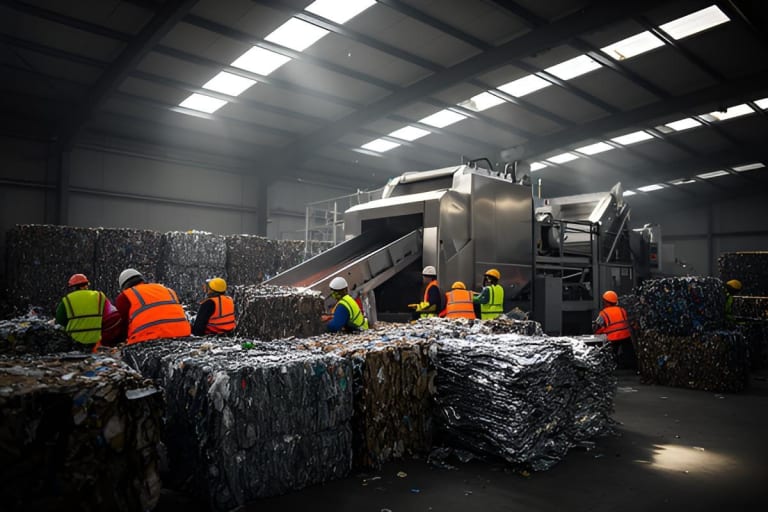
Among the most popular actions on production lines, conventional recycling leads the preference. Close behind are reverse logistics systems and the reintroduction of recovered materials directly into the manufacturing of new consumer goods.
From a financial standpoint, the pursuit of efficiency brings measurable competitive advantages. Four out of ten managers point to lower operating expenses as the main advantage achieved by redesigning their production processes to prevent waste.
Challenges for a sustainable future
Despite significant progress, the expansion of these technologies still encounters financial and structural obstacles. Experts point out that high interest rates and a lack of specific financing lines hinder the initial investments needed to fully modernize the sector.
Overcoming these bottlenecks will be crucial to consolidating Brazil as a global benchmark in clean production processes. Integrating financial incentives with consumer awareness will pave the way for a new era of industrial prosperity based on environmental conservation.