Middle Eastern crude oil exports exceeded pre-conflict levels in September, driven by an increase in cargo shipments from the Persian Gulf region.
International shipments of fuel oil and refined products originating in the Middle East posted a significant increase last month, surpassing the volumes observed before the onset of hostilities in the region. According to logistical assessments released by specialized consultancies such as Kpler and Vortexa, local producers intensified shipping flows despite a challenging scenario for commercial navigation.
The moving average indicator pointed to figures higher than both the historical average and pre-crisis records on several days in September. This behavior demonstrates the resilience of energy supply chains in Asia and the West, which rely heavily on maritime flows originating from major exporters in the Persian Gulf operating along strategic routes essential to the global fuel market.
Increased Supply and Route Reorganization
Export growth was driven primarily by higher volumes dispatched by Saudi Arabia, which utilized terminals on both the Red Sea and the gulf to expand its market share. At the same time, Iraq also increased its operations from the Basra terminal, ensuring the continuity of the logistical flow of oil tankers through the restricted navigation zone.
Experts note that this additional injection of barrels into the international market provides significant relief for refineries, especially on the Asian continent. However, the increase in transported volume occurs at a time of high geopolitical sensitivity, requiring complex maneuvers by shipowners and state-owned companies to bypass bottlenecks and ensure crew safety.
Senior market analyst Xavier Tang stated:
Most of this month-on-month increase seen in September comes from Saudi Arabia, which is boosting exports to regain market share from other Middle Eastern countries.
Geopolitical Risks and Challenges in the Strait of Hormuz
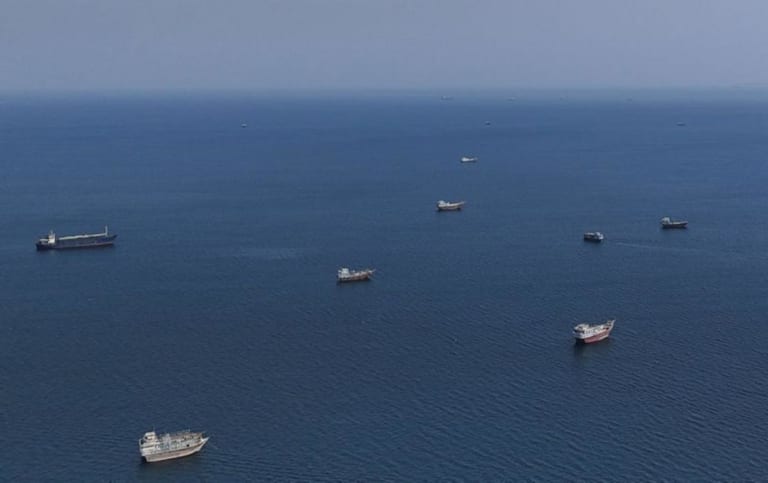
Despite the positive performance in oil and liquefied natural gas logistics, navigation through the Strait of Hormuz remains surrounded by instability. Maritime intelligence reports recorded new incidents involving commercial vessels last week, including material damage to large ships resulting from projectiles along the strategic route.
Maritime monitoring authorities remain on high alert, assessing the impact of combat zones on commercial routes. Although ship traffic continues to flow to meet global energy demand, volatility and operational risks persist as factors to watch for the oil and gas sector in the coming weeks.