
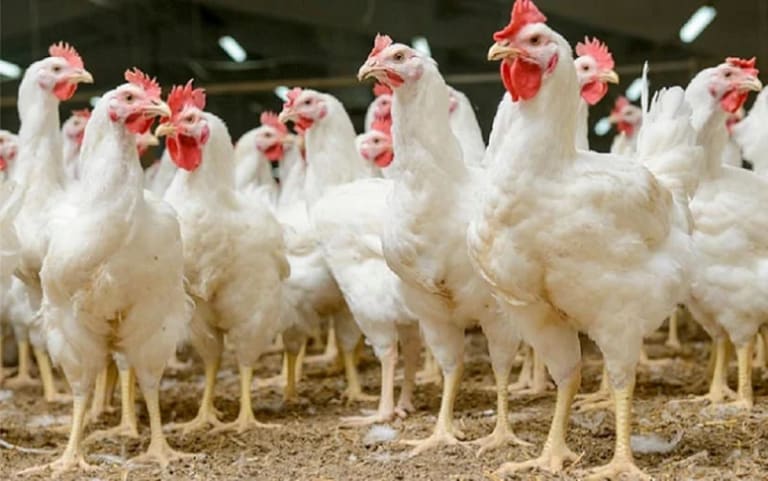
Mexico blocks Brazilian poultry following avian disease outbreak.
The international poultry market is on alert after Mexico announced the suspension of imports from Brazil. The decision, formalized last Monday, the 19th, was prompted by the confirmation of a Newcastle disease outbreak in poultry in the state of Santa Catarina.
The measure, which directly impacts the production chain and trade, reflects Mexico’s concern with safeguarding its flock and national agricultural health against potential sanitary risks.
Comprehensive Restrictions for Sanitary Protection
The ban, issued by the National Health, Food Safety and Quality Service (Senasica), is broad. It encompasses not only poultry meat and offal, but also fertile eggs, day-old chicks, and even ornamental and pet birds.
The scope of the restriction extends to all entry points, whether commercial or through travel, such as those by tourists.
To ensure the effectiveness of the measure, Senasica acted swiftly, deactivating the sanitary registrations required to clear these products on its digital platform.
Awaiting Sanitary Transparency
Mexico’s Secretariat of Agriculture emphasized that the suspension will remain in effect until there is clear, consolidated sanitary information regarding the control of the disease outbreak in Brazil. The action aligns with international animal health protocols to mitigate risks.
The official communication does not specify a deadline for normalizing imports, signaling that the resumption will depend on the evolution of the Brazilian sanitary situation and proof of containment.
This decision underscores the importance of sanitary surveillance and international cooperation in maintaining animal health and food safety. The Brazilian poultry sector, one of the world’s largest, is now focused on demonstrating the effectiveness of control measures to reopen markets.