The financial market is adjusting its projections, raising expectations for inflation in 2026 and subsequent years, while revising downward its estimates for Brazil’s economic growth.
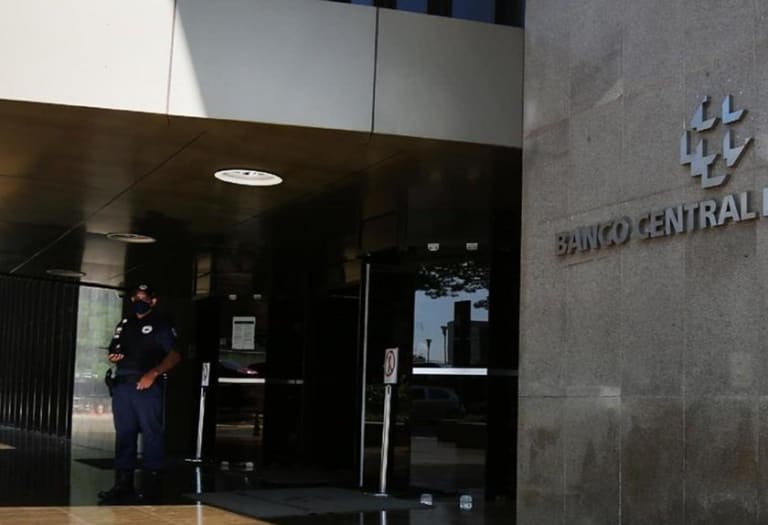
The Brazilian economy is seeing its future projections re-evaluated by financial market analysts. According to the latest Focus Report, released this Monday (28) by the Central Bank, expectations for price increases have been elevated, and the estimate for Gross Domestic Product (GDP) expansion in 2026 has been cut again.
This scenario reflects a perception of increased inflationary pressure and a slowdown in the pace of economic development.
The revision of projections points to persistent challenges in the national macroeconomic landscape. The adjustment in forecasts for inflation and economic growth signals the complexity of the current environment, with direct implications for monetary and fiscal policy formulation.
Furthermore, it impacts the daily lives of businesses and consumers.
Inflation Projections Reach New Levels
The data from the Focus Report indicate a new increase in expectations for the Broad Consumer Price Index (IPCA). For 2026, the projection rose from 4.92% to 4.99%. The forecast for 2027 was also slightly adjusted, moving from 4.3% to 4.31%, while the estimate for 2028 remained at 3.8%.
This change in inflation estimates follows the release of IPCA-15, the preliminary official inflation reading, which registered 0.7% in September, reversing the 0.4% deflation observed in August.
Consequently, the 12-month accumulated inflation reached 4.47%, up from 4.24% in the previous month.
The Brazilian Institute of Geography and Statistics (IBGE) pointed to the end of the Itaipu bonus in electricity bills as the main driver of this increase.
GDP Growth in Retreat
The outlook for economic growth also deteriorated. The projection for GDP in 2026 was reduced from 1.88% to 1.86%, marking the third consecutive week of declines.
About a month ago, forecasts were more optimistic, with the financial market expecting 1.92% growth.
Expectations for 2027 and 2028 followed the same trend, falling to 1.41% and 1.83%, respectively.
The persistence of global uncertainties and the need for internal adjustments have led economists to a more conservative stance regarding the speed of recovery and expansion of the Brazilian economy.
Selic Remains Stable, But Its Importance Increases
Despite the revisions in inflation and GDP projections, expectations for the Selic Rate, the economy’s basic interest rate, remained unchanged. The market still forecasts the rate at 13.5% per year by the end of 2026, 12% in 2027, and 10.5% in 2028.
The Selic Rate is the Central Bank’s main tool for managing inflation. Raising interest rates makes credit more expensive, curbs consumption, and encourages savings, aiding in price control.
On the other hand, reducing it aims to boost economic activity by facilitating access to credit and incentivizing investments and consumption.
It is important to note that when setting consumer interest rates, banks also consider factors such as default risk, operational costs, and profit margins.
The financial market’s revisions to inflation and growth expectations underscore the need for constant monitoring of the Brazilian economy.
These projections directly impact investment and consumption decisions, as well as shaping the Central Bank’s strategies.
The balance between controlling inflation and stimulating economic growth remains the primary challenge for monetary and fiscal policymakers in the country.
Upcoming Focus Reports will bring new crucial updates for understanding the scenario.