
Madesa is reinforcing its commitment to the energy transition by supplying its operations with up to 100% renewable energy, drastically reducing natural resource consumption and strengthening its industrial decarbonization strategy.
Madesa, one of Brazil‘s leading furniture manufacturers, has reached a major milestone in its ESG journey. In a continuous effort to integrate sustainable practices into its business model, the company announced that between 90% and 100% of the electricity used in its manufacturing plants comes from clean sources, acquired mostly through the Free Energy Market, in addition to its own generation via a solar power plant.
This move reflects the organization’s commitment to energy efficiency and environmental impact reduction. According to the most recent Madesa Sustainability Report, covering 2024 and 2025, the company is not only seeking alternative sources but also implementing a rigorous carbon offset strategy.
Commitment to decarbonization
Madesa‘s focus on a low-carbon matrix is supported by concrete offsetting actions. Over the past two years, the company has neutralized significant greenhouse gas emissions: 812 tCO₂e in 2024 and 892 tCO₂e in 2025. This strategy included acquiring carbon credits from structural projects, such as the Corredor dos Senandes Wind Complex in Rio Grande do Sul.
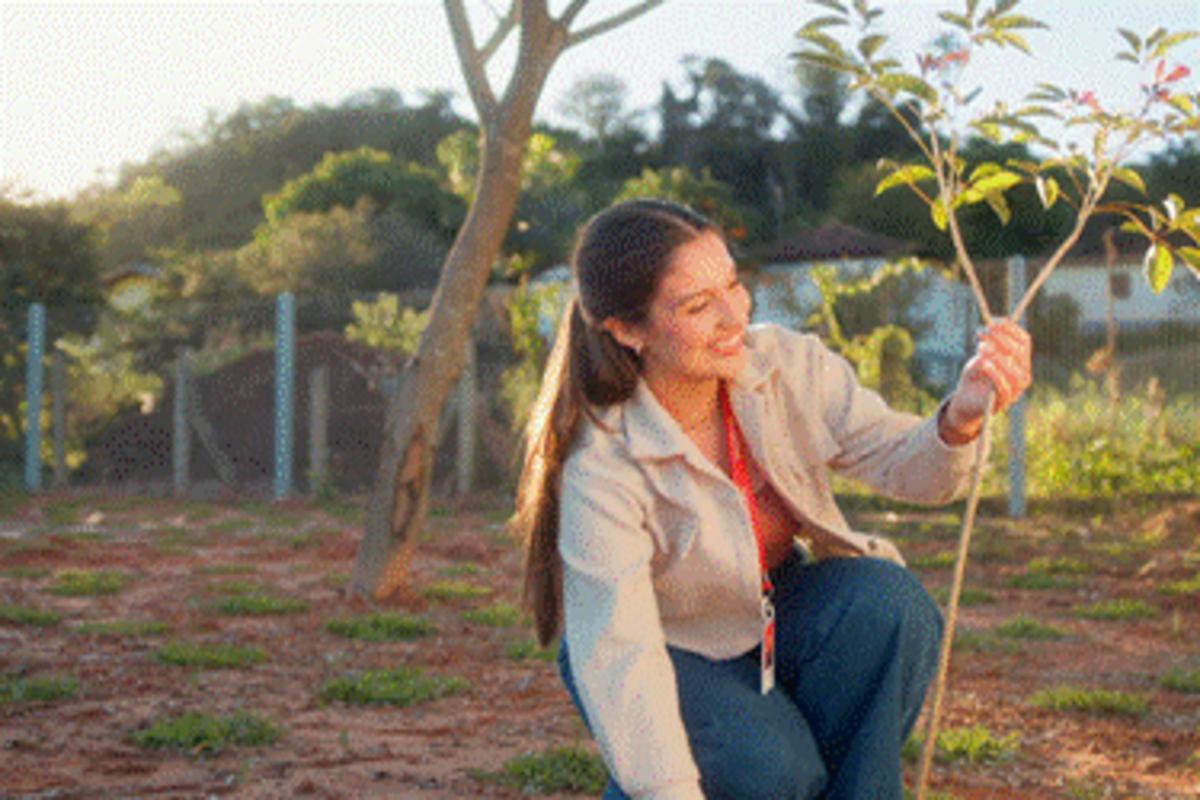
In addition to external credits, the company values its natural heritage. The preservation of 31 hectares of proprietary Atlantic Forest has been a fundamental pillar for carbon sequestration and the maintenance of local biodiversity, connecting industrial productivity with environmental preservation.
Pedro Cini, CEO of Madesa, stated:
Sustainability is part of how we run our business every day, both inside and outside the factory.
Efficient management of natural resources
Sustainability at Madesa goes beyond the energy sphere, encompassing direct waste reduction and the responsible use of inputs. One of the most notable changes was the redesign of furniture assembly manuals, which are now digital and accessed via QR Code. This measure avoided printing 12.5 million sheets of paper, saving 127 million liters of water and preserving more than 1,500 trees.
Furthermore, the company has expanded the circularity of its packaging, integrating materials such as PET, cardboard, and recycled aluminum into its logistics operations. Reverse logistics programs and partnerships with cooperatives for the proper disposal of waste also reinforce the brand’s circular economy culture.
The future of ESG in the furniture sector
The company’s strategy for the coming years is clear: to increase efficiency in the use of natural resources and foster human development. Currently, Madesa maintains over a thousand direct jobs, prioritizing ethics and social responsibility at all operational levels.
Pedro Cini added:
These priorities are aligned with the UN Sustainable Development Goals and our ambition to become a national reference in ESG within the furniture industry by 2028.
With these initiatives, Madesa positions itself not only as a leader in the furniture market, but as a benchmark in sustainability, demonstrating that economic growth and environmental responsibility can go hand in hand toward a more sustainable future.