
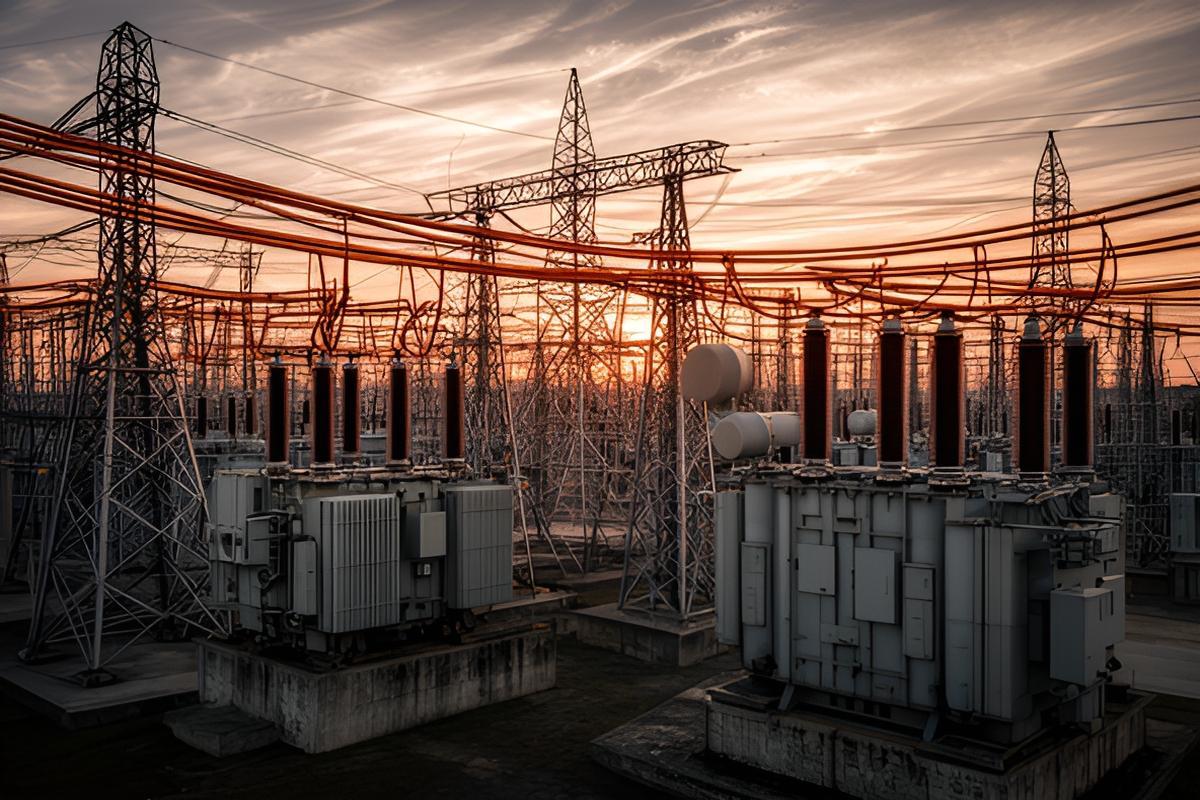
Therapeutic innovations inspire the power sector to rethink its complex structure to reduce costs and optimize clean energy generation.
A new perspective for the Brazilian power sector is emerging from an unexpected field: medicine.
Drugs developed to treat specific metabolic conditions, such as obesity and diabetes, have shown multifaceted results, acting on physiological mechanisms that yield a variety of benefits.
This multi-purpose approach, which treats the root causes of a complex problem rather than its isolated symptoms, offers a promising model for reorganizing the structure of the power sector.
Advances in research on drugs like semaglutide exemplify this evolution.
Initially focused on glycemic control, these medications are now recognized for their impact on weight reduction and even for decreasing the risk of major cardiovascular events.
This ability to generate multiple benefits from a targeted intervention is exactly what the national power sector needs to address its own structural complexities.
The Energy Abundance Paradox
The Brazilian Power Sector (SEB), despite possessing vast wealth in energy resources and a consolidated infrastructure, faces the paradox of high costs.
This situation is exacerbated by decades of accumulated regulations, surcharges, subsidies, and contracts, many of which, while justifiable at their inception, now make the system difficult to manage and explain.
The result is that energy abundance, which should be a comparative advantage, contributes to the so-called Custo Brasil (Brazil Cost).
The contradiction is highlighted by the coexistence of one of the world’s most renewable power grids with increasing volumes of renewable generation going to waste.
This phenomenon, known as curtailment, represents the inability to utilize the energy generated by sources such as solar and wind due to limitations in transmission, distribution, or demand.
Estimates indicate that improper or inefficient costs in electricity tariffs can exceed R$ 100 billion annually.
A Systemic Therapy for the Power Sector
The analogy with new metabolic therapies suggests that the power sector does not need piecemeal solutions for each symptom.
The need is for an architecture capable of treating several of its dysfunctions simultaneously.
This involves the economic reorganization of energy abundance, including the review of surcharges and subsidies, demand management, and tackling curtailment.
Surcharges and subsidies, when well-defined and monitored, are legitimate public policy tools.
However, making them permanent, decoupling them from their original purposes, or indiscriminately passing costs on to the consumer can generate inefficiencies.
A review of these mechanisms should verify who benefits, for how long, and whether the financing instrument remains the most appropriate.
Incentivizing Flexibility and Smart Demand
A second front of action lies in demand management.
Instead of viewing the consumer as a passive agent, the SEB can incentivize flexibility.
Large consumers could modulate their consumption in response to system conditions, shifting activities to times of greater energy availability.
This would not only reduce the waste of renewable generation but also bring greater flexibility to the system.
The demand response capacity, especially from large consumers, when recognized and remunerated by appropriate mechanisms, can generate systemic value.
This includes the provision of ancillary services, contributing to the balance between supply and demand.
Combating Curtailment and Industrial Opportunities
Curtailment is a clear symptom of insufficient coordination between supply expansion, grid development, and demand.
The solution involves investments in transmission and storage, more precise economic signals regarding the timing and location of consumption, and the incorporation of new flexible loads.
In this context, the push for the reindustrialization of Brazil offers a strategic opportunity.
Low-carbon, electro-intensive activities—such as the production of green hydrogen, ammonia, methanol, and fertilizers, as well as data centers—can absorb surplus renewable energy.
If well-located and contracted, these industries can operate flexibly, adjusting their consumption to energy availability and helping to mitigate generation constraints.
An Integrated Approach for the Energy Future
The proposed actions—cost reorganization, improvement of economic signals, remuneration of flexibility, and creation of flexible loads—are not isolated measures, but components of a systemic therapy.
This multi-purpose approach, inspired by medical advances, aims to act in a coordinated manner on structural mechanisms to generate simultaneous benefits.
Brazil possesses abundant and clean energy resources, but mere availability has not automatically translated into investment and competitiveness.
The global energy transition and geopolitical tensions create a landscape of opportunities for low-carbon technologies.
Transforming this potential into competitive electricity, new industry, and development fundamentally depends on reducing the cost of energy.
The necessary revolution for the SEB will not come from a single solution, but from a sophisticated combination of mechanisms that simultaneously attack costs, waste, inflexibilities, and distortions.
Just as a medical innovation can generate much broader benefits than initially anticipated, the Brazilian power sector can find its own “weight-loss drug” by adopting an integrated, multi-purpose vision.