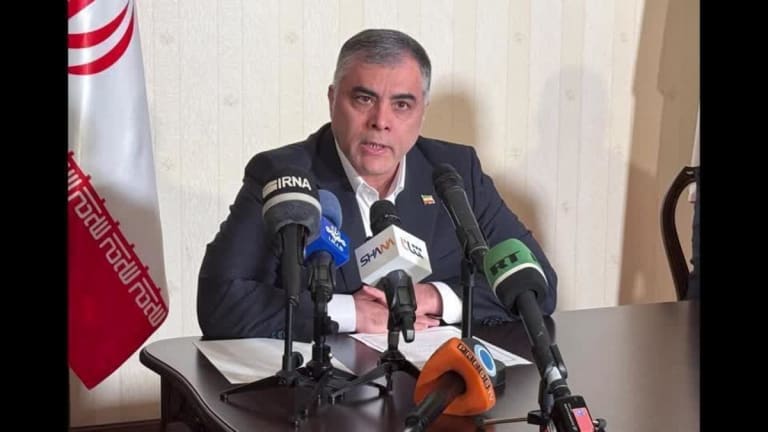
The energy and energy transition market is closely watching the sudden departure of Mohsen Paknejad from Iran’s Ministry of Petroleum, amid intense geopolitical pressure and international sanctions.
The global energy industry awoke on alert this Sunday following the announcement of Mohsen Paknejad’s departure from the helm of Iran’s Ministry of Petroleum. The decision comes at a delicate time for the Islamic Republic’s economy, which has been heavily impacted by a prolonged period of tensions and indirect confrontations with the United States.
Although the Iranian government attempts to calm the situation by citing personal reasons for the departure, fossil fuel market analysts point out that the accumulated geopolitical instability over the past seven months weighed heavily on the management.
Mohsen Paknejad had assumed the position in August 2024, inheriting the challenges of maintaining active oil production despite severe embargoes.
Transition in the Hydrocarbons Ministry
To avoid a power vacuum in the strategic ministry linked to OPEC, the government led by Masoud Pezeshkian acted swiftly. Hamid Bovard, the current CEO of the state-owned National Iranian Oil Company, was chosen to take interim charge of the ministry.
The substitution occurs at a time when the stability of the global oil market depends on every move by major Middle Eastern producers. The transition seeks to ensure operational continuity and reassure investors about the cash flow from hydrocarbon exports.
Mohsen Paknejad stated:
The oil revenues that we sell are still coming in, and this will continue, God willing.
The statement, made by Mohsen Paknejad himself shortly before his departure was made official, reflects the Iranian government’s attempt to demonstrate economic resilience. However, the exit of a key figure raises questions about the country’s energy sector’s long-term planning capacity.
Impacts on the Energy Market
The minister’s departure reinforces the volatility faced by both the clean and traditional energy sectors, as shocks in crude oil supply immediately alter global prices. The market is now monitoring the next steps of Hamid Bovard at the helm of the interim ministry.
Energy geopolitics experts expect the new leadership to maintain the stance of economic resistance, although structural challenges continue to grow. The combined pressure of sanctions and the prolonged conflict with the U.S. will continue to shape the future of the Iranian economy in the coming months.