
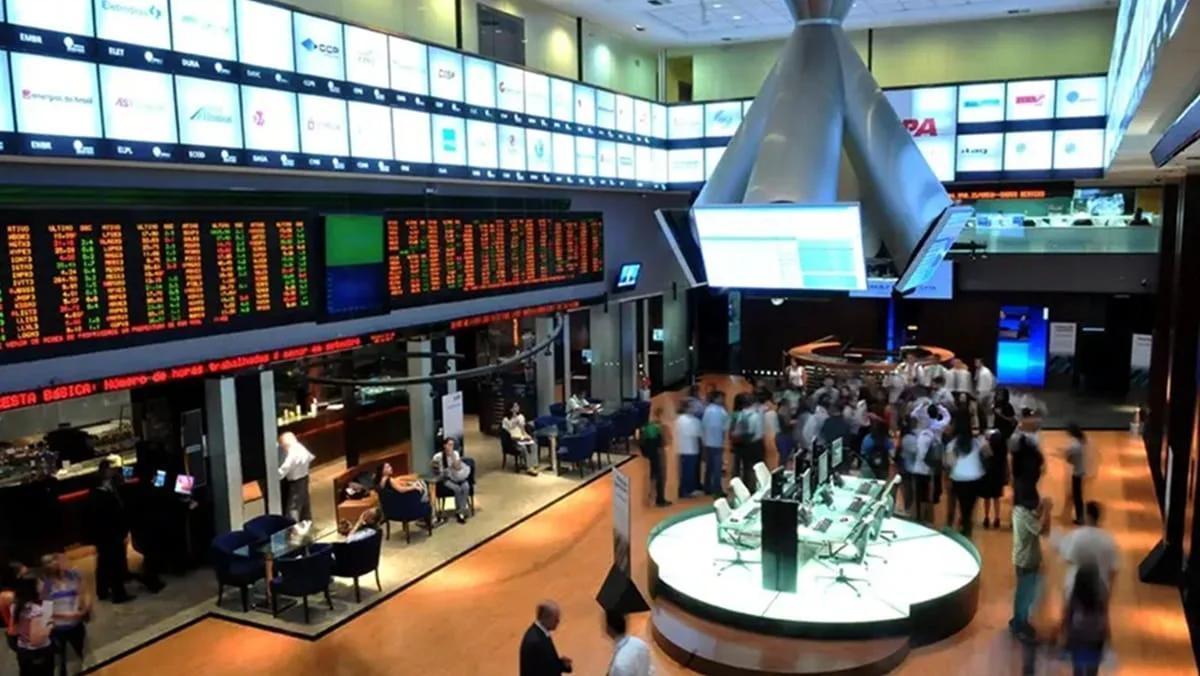
The financial market is operating in a climate of volatility this Monday, with the Ibovespa fluctuating and the dollar rising amid strong pressure from fiscal uncertainties and high interest rates.
The Brazilian capital market opened the week with a tone of prudence, reflecting caution about the domestic fiscal environment and projections for interest rates.
The main index of B3, the Ibovespa, showed strong swings throughout the session, while the US dollar maintained a trajectory of appreciation against the national currency.
Financial agents are closely monitoring the conduct of monetary policy by the Central Bank and the developments regarding public account management for the coming years.
Sector performance on the stock exchange
Export-oriented companies, especially in the mining and paper & pulp segments, recorded positive performance during the trading session.
These companies benefited from demand in the international market and the appreciation of the US dollar, which acts as a hedge in times of higher risk aversion.
In contrast, shares of companies focused on domestic consumption suffered significant losses, pressured by the cost of credit in the country.
Sectors sensitive to the level of the Selic rate, such as retail and construction, led the declines amid the prospect of high interest rates for an extended period.
“The business environment will remain extremely sensitive to announcements about fiscal adjustment and the developments of inflation in the country until the end of the year.”
Macroeconomic pressure and external scenario
The main concern of investors on Faria Lima is the government’s ability to maintain rigor in controlling public spending and contain inflation.
In the global scenario, the stance of the Federal Reserve in the United States reinforces the search for liquidity in the American currency, increasing volatility in emerging markets.
The combination of a slowdown in domestic economic activity and high interest rates in major economies limits the inflow of foreign capital into the local market.
Outlook for upcoming moves
The trend for the next sessions is a continuation of the volatility pattern, awaiting new economic indicators and official signals.
The performance of Brazilian assets will remain tied to the progress of economic agendas in the National Congress and the fulfillment of established fiscal targets.