
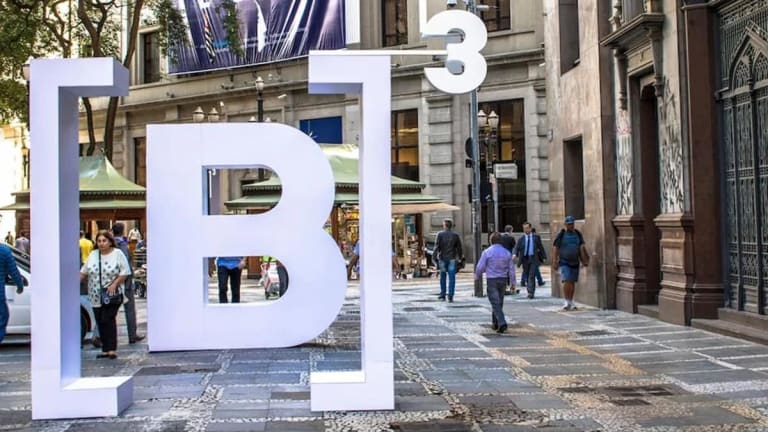
Ibovespa falls 1.33% amid fiscal uncertainty, while the U.S. dollar surges to R$ 5.84 on the domestic exchange.
The Brazilian financial market experienced a highly volatile session on Wednesday, reflecting a cautious environment both domestically and internationally. The main index of B3 closed the day in a sharp decline, largely driven by investors’ mistrust of the country’s fiscal policy direction and the negative performance of heavyweight stocks on the exchange.
At the same time, the U.S. dollar continued its strong appreciation against the real. The currency surpassed high levels seen the previous day, propelled by a global risk‑aversion environment and the negative fallout from economic measures announced by the federal government.
The dollar’s rise and pressure on the real
The foreign currency’s climb gained momentum throughout the afternoon, reaching R$ 5.8434, a rise of more than 1%. This movement is not isolated and reflects a cumulative gain observed since the previous week, highlighting the Brazilian currency’s fragility under external and internal pressures.
Experts point out that the noise surrounding the fiscal package presented by the federal government continues to generate uncertainty. The proposal, which projects future savings for the public coffers, was met with skepticism by analysts who consider the volume of cuts insufficient to ensure medium‑term fiscal balance.
The lack of robustness in the fiscal measures presented creates a climate of widespread mistrust, directly reflecting in capital flight and the consistent rise of the U.S. dollar.
Ibovespa performance and standout sectors
The Ibovespa closed the trading session at 167,556 points, recording a 1.33% decline. The drop was intensified by the downgrading of Brazilian assets by international financial institutions, such as Goldman Sachs, and persistent fears regarding the passage of the fiscal adjustment package in the Senate.
Large corporations led the day’s losses, dragging the index into negative territory. Key stocks that shape the market, such as Banco do Brasil, B3, Petrobras, and Vale—the latter entering a streak of seven consecutive declines—strongly pressured the benchmark.
Conversely, some sectors managed to counter the session’s downward trend. Companies in the meatpacking and retail segments were among the biggest gainers, standing out positively amid the widespread pessimism that has gripped international markets and the São Paulo exchange.
Upcoming sessions are expected to remain closely watched by economic actors, who await further political developments in Brasília and the next steps in global monetary policy. Investors’ defensive stance is likely to prevail as long as doubts about the country’s fiscal sustainability persist.