
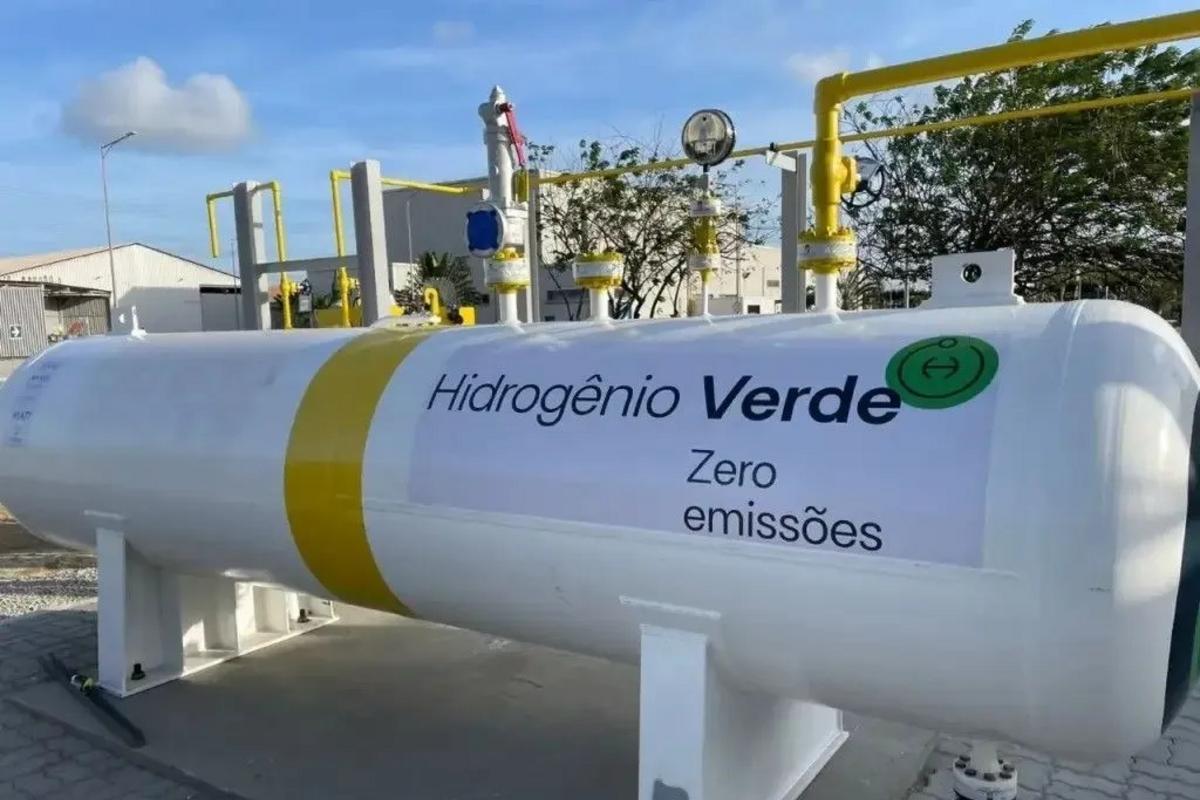
The cost of producing green hydrogen in Brazil rose 26.9% in one year, driven by higher electricity prices, a study by consulting firm Cela reveals.
The Brazilian energy transition faced a significant economic adjustment in the recent period with rising costs of manufacturing clean energy sources. A detailed survey released by Cela (Clean Energy Latin America) shows that producing green hydrogen in the country has become considerably more expensive.
The average price per kilogram of the input jumped from US$ 5.19 to US$ 6.58, reflecting operational variations in the domestic market. The current cost range fluctuates between US$ 3.79 and US$ 9.37 per kilogram, depending on location and technology used.
This significant change has triggered an alarm among investors and stakeholders in the renewable fuels sector, demanding new financial viability strategies.
Electricity Price Pressure and Market Volatility
The rise in electricity costs emerged as the main villain in the production process of the sustainable element. Electricity expenses accounted for almost 80% of the total increase recorded in the study.
Other determining factors include the terms set in long‑term contracts, known as PPAs, and supply modulation. Equipment costs and the macroeconomic environment also influenced the rise.
The inflationary impact also reached green ammonia, a strategic derivative for fertilizer production. The average value per ton increased 22.7%, from US$ 1,114 to US$ 1,368 in the same period.
Competitiveness and Operational Challenges
Despite the rise in indicators, analysts emphasize that Brazil’s energy mix remains highly attractive compared to other countries. The vast supply of clean sources ensures an indispensable structural advantage.
When assessing the current landscape, the CEO of the consulting firm, Camila Ramos, weighed the need to optimize supply costs in the domestic market:
“Brazil has significant advantages in this regard, due to the availability of renewable sources, but it needs to turn that potential into more economically viable projects.”
The executive emphasizes that the competitiveness of the ecosystem depends on adequate financing and efficient energy procurement models, essential for ensuring long‑term investments.
Future Outlook for the Sector
Despite the cost pressures observed in the recent cycle, Brazil’s outlook for low‑carbon fuel production remains promising in the global context.
The progress of projects in the coming years will hinge on the market’s ability to mitigate tariff risks and create financial structures that keep the national product attractive in international trade.