The Ministry of Mines and Energy has approved dozens of new projects to expand the national power grid through 2033, highlighting billion-dollar investments and innovative technologies in the electricity sector.
Brazil’s clean energy and electrical infrastructure sector has just taken a major strategic step toward modernizing its networks. The Ministry of Mines and Energy (MME) has officialized the first version of the Electric Power Transmission Grant Plan for 2026, projecting key interventions for the dispatch of renewable sources and national supply security.
The initiative covers dozens of structural interventions spread across seventeen Brazilian states. With a delivery horizon set through the next decade, the planning aims to eliminate historical bottlenecks and integrate new generation matrices into the National Interconnected System (SIN), preparing the country for the energy transition.
Major Investments and Regional Interconnection
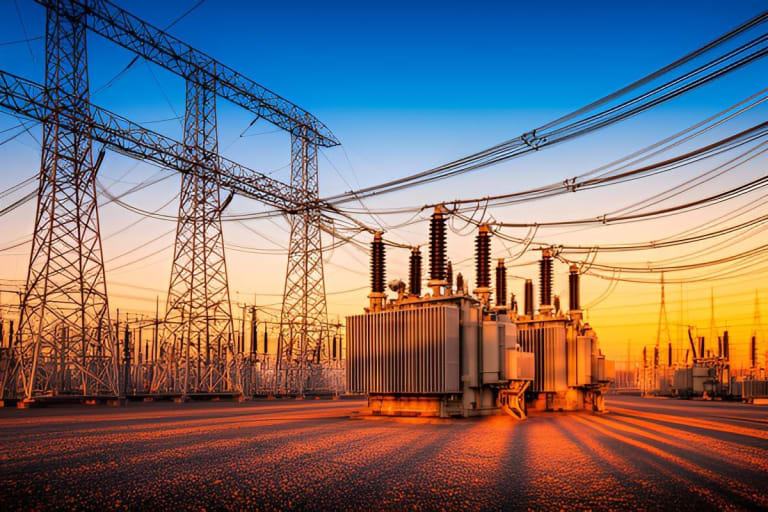
Among the planning highlights is the confirmation of the project known as Northeast Bipole II, scheduled for delivery in January 2033. With financial contributions estimated at over R$ 24 billion, the project provides for an extensive high-voltage direct current transmission line connecting Rio Grande do Norte to the state of São Paulo.
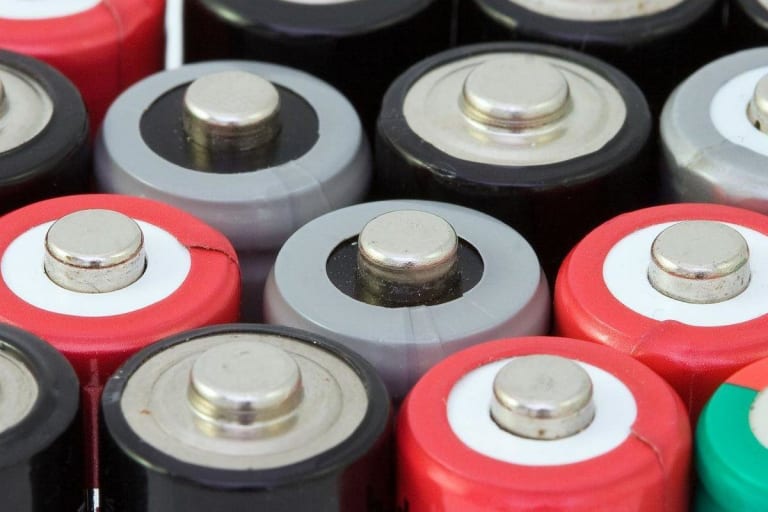
The Northern region will also receive special attention to ensure greater operational stability. The official schedule includes the installation of a modern battery energy storage system in the locality of Cruzeiro do Sul, in Acre, designed to mitigate supply failures and ensure service continuity for local consumers.
Technological Innovation and Grid Efficiency
For the first time, Brazilian sector planning has officially incorporated the recommendation to use DLR technology, aimed at the dynamic monitoring of the capacity of existing lines. The initial application will take place in the interior of São Paulo, optimizing energy flow without the need for major civil works.
The introduction of advanced technologies into official planning represents a milestone for operational efficiency, allowing significant capacity gains with reduced investments and lower environmental impact.
With an estimated cost at modest levels compared to traditional works, the technological solution is expected to significantly increase the transport capacity of a specific circuit, postponing the need for costly reconstructions and demonstrating the regulatory maturity of the National Electric Energy Agency and other involved bodies.
The next steps to materialize these guidelines include holding specific auctions on the B3 stock exchange, whose bidding documents undergo public validation. The active participation of market agents and civil society during public consultations reinforces transparency in shaping Brazil’s energy future.