
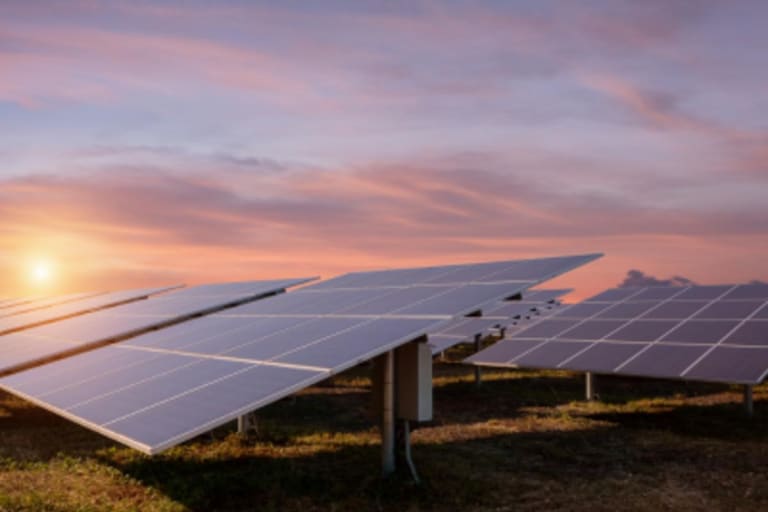
The Midwest region stands out in solar energy with GD 2.0, fueled by agribusiness, new technologies, and regulations aimed at a more robust energy future.
Distributed generation (DG) in Brazil is undergoing a significant transformation, marking the advent of what many call GD 2.0. This new cycle is shaped by the recent effects of Law 14.300 and an increasingly robust global supply chain.
For the national photovoltaic sector, which already boasts an impressive 49.91 GW in distributed generation and 22.70 GW in centralized generation, the current moment requires not just volume, but also qualified expertise, a consultative approach, and improved integration with the safety and stability of the Brazilian electrical grid.
In this evolving landscape, the Midwest region is emerging as an epicenter of innovation and growth. With its abundant solar irradiance and strong demand from agribusiness for energy efficiency and competitiveness, the adoption of solar solutions is advancing rapidly.
GD 2.0 is taking hold here through key pillars, such as the international standardization of high-power modules and the increasing rigor of utilities in project approval, ensuring equipment compatibility with the grid and preventing phase imbalances.
Adding to this is the integration of state safety regulations, such as the requirement for Rapid Shutdown systems in rooftop installations, which reinforces overall protection.
The Rise of Storage Systems and Smart Grids
One of the most important differentiators of GD 2.0 is the incorporation of battery storage systems and the development of smart grids. These technologies provide consumers with greater control and improved predictability regarding costs associated with the TUSD Fio B (distribution tariff).
Furthermore, storage capacity is fundamental for mitigating fluctuations in the load curve, a phenomenon known as the Duck Curve, allowing surplus energy generated during peak times to be injected into the grid in an optimized manner or used internally, maximizing benefits for both the consumer and the system.
Forum GD Midwest 2026: Debating the Future of Energy
To explore these advancements and the new opportunities emerging, the capital of Mato Grosso do Sul, Campo Grande, will host the Forum GD Midwest. The event, scheduled for September 17 and 18 at the CREA-MS headquarters, promises to bring together a select group of specialists, integrators, and leaders from the energy sector to debate the direction of distributed generation in the region and across Brazil.
Agribusiness and Innovation on the Agenda
The Forum GD Midwest program will address the main operational and regulatory challenges, with panels diving into topics such as power flow inversion, energy quality, financing models, the role of artificial intelligence, and the integration of DG with the Free Energy Market.
The highlight, however, will be the synergy between distributed generation and agribusiness, featuring discussions on how solar energy, storage, biogas, and biomethane can be combined into an energy platform to boost profitability and sustainability in the field. Those interested in participating and learning the full program details can visit the event’s official website to register.
In summary, the transition to GD 2.0, catalyzed by technological advancements and a more robust regulatory framework, is redefining the energy landscape, especially in the Brazilian Midwest.
The strategic integration of solar energy with agribusiness and the adoption of storage systems and smart grids are indicators of a more efficient, resilient, and sustainable energy future for the country. Events like the Forum GD Midwest 2026 are crucial for fostering these discussions and driving innovation. To connect with the future of energy in the region and Brazil, participation is a fundamental step.