
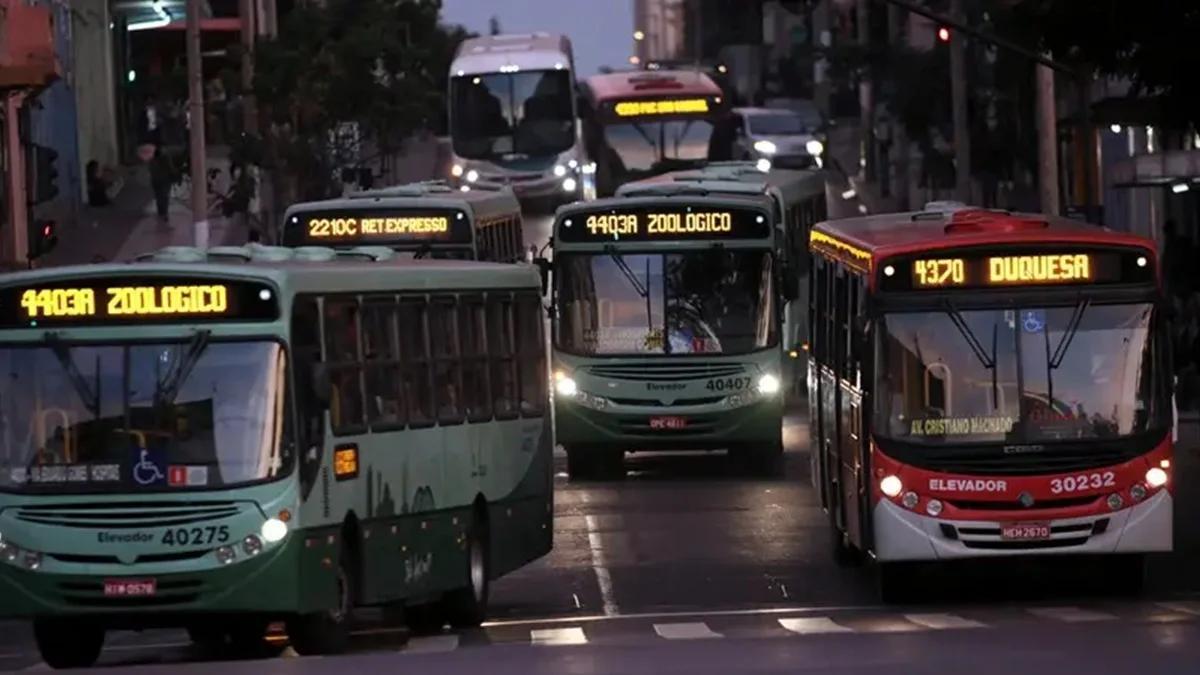
A study indicates that free weekend public transport would require over R$ 20 billion annually, sparking debate over sustainable funding sources.
The federal government’s proposal to implement free transit for urban buses, trains, and subways on Saturdays and Sundays has caused a stir in the urban mobility sector. A recent survey by NTU (National Association of Urban Transport Companies) reveals that the measure would require an annual investment of R$ 20.8 billion to be sustainable on a national scale.
This financial projection accounts not only for regular operations but also for an estimated 20% surge in passenger volume during weekends. While supporters view the initiative as a significant step toward social inclusion, industry experts warn of the complexity of managing the infrastructure without compromising the fiscal stability of the networks.
Operational challenges and budget impact
Currently, the cost model for energy and the operation of Brazilian public transport relies primarily—roughly 80%—on fares paid directly by users. With the new proposal, the discussion surrounding the transition to permanent public funding sources is gaining momentum, requiring a broader distribution of responsibilities between municipalities and the Federal Government.
Beyond the direct financial impact of free service, the sector is facing changes in labor laws that are adding pressure to costs. A potential revision of traditional work shifts could increase the need for new hires in a market already struggling with a shortage of skilled labor for fleet operation.
Free weekend transit is a targeted measure that requires permanent public funding sources and clear transition mechanisms to ensure the system’s sustainability.
Alternatives for social inclusion
Given the high costs, representative entities suggest focusing on more targeted assistance policies. Among the alternatives being discussed behind the scenes is the creation of a Social Transit Voucher, specifically aimed at low-income families enrolled in welfare programs, such as Bolsa Família.
The discussion regarding the future of sustainable mobility and transit fares in the country remains open, drawing attention from public officials and public policy experts. The next steps will depend on negotiations between the executive branch and private operators to determine how to achieve universal access without collapsing existing infrastructure.