Risk rating agency Fitch Ratings has downgraded CEEE-G’s credit rating to high-risk territory, reflecting the power generator’s financial dependence on its parent company, CSN.
CEEE-G, the energy generation arm controlled by Companhia Siderúrgica Nacional (CSN), has faced a severe cut in its credit rating. Fitch Ratings reduced the company’s rating from BBB-(bra) to CCC+(bra), placing it in the speculative-grade category.
The decision is accompanied by a negative outlook, signaling that the situation could deteriorate further, mirroring the parent company’s scenario.
The downgrade, which also includes the company’s third series of debentures totaling R$1.2 billion, is a direct reflection of CSN’s financial health.
Although CEEE-G presents more solid indicators in isolation, the strong operational integration and lack of financial autonomy between the subsidiary and its parent company result in the risks being equated, according to the agency.
Financial Ties and Default Risk
CEEE-G’s debt structure contains clauses for early redemption triggered by credit events involving CSN. Furthermore, the cash flow between the two companies is highly permeable, with CSN exercising direct control over the generator’s resources.
By mid-2026, CEEE-G had accumulated approximately R$605 million in intercompany loans with the steelmaker.
The dependence is not only financial but also strategic, with about half of the energy produced by CEEE-G being consumed by the steelmaker itself.
This model creates relevant operational synergy, estimated between 2% to 3% of CSN’s EBITDA, but also makes the generator vulnerable to fluctuations in the steel sector and to the financial health of its parent company.
Financial Projections and Operational Challenges
Even with expectations of increased EBITDA between 2026 and 2027, Fitch projects an accumulated negative free cash flow of approximately R$350 million for this period.
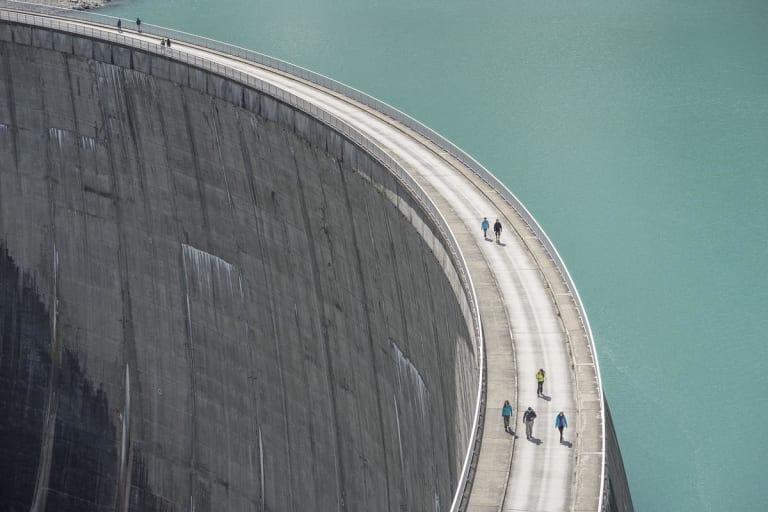
The scenario is pressured by the need for significant investments, budgeted at around R$570 million, intended for the recovery of assets affected by the floods in Rio Grande do Sul in 2024 and for plant modernization.
Risk agency analysts assessed:
The generator’s credit profile remains conditioned by CSN’s credit quality, given the level of cash fungibility and the absence of policies that shield the company from the parent company’s interference.
The company’s total debt is expected to remain around R$2.1 billion, maintaining high leverage. Asset concentration, predominantly consisting of hydroelectric power plants located in the same state, increases the risk exposure to extreme weather events, a factor that Fitch monitors cautiously before making any future revisions to the company’s rating.