

Research reveals a retreat in ESG investments in Brazilian companies. The current challenge isn’t a lack of interest in sustainability, but a scarcity of clear performance and corporate governance indicators.
The ESG (Environmental, Social, and Governance) agenda appears to be losing traction among Brazilian companies. A survey by Data-Makers among business leaders shows that 26% of executives expect to reduce investments in the topic in the next 12 months, compared to 20% in the previous survey. Furthermore, 21% of companies have canceled initiatives, and another 35% have put projects on hold.
This trend is noteworthy because it occurs precisely when leadership awareness of the subject is growing. The percentage of executives who claim to have advanced knowledge in ESG increased from 13% to 22%.
According to Leonardo Fabris Lugoboni, a professor and researcher at the Fundação Escola de Comércio Álvares Penteado (FECAP), this apparent contradiction might reveal a problem less related to the importance of sustainability and more to how it has been incorporated into organizational management.
“When an initiative is truly strategic, it’s not enough to know how much money was invested in it. It’s necessary to demonstrate what results were achieved, what risks were reduced, and what value was created for the organization and its stakeholders.”
ESG Needs to Show Results
Part of the vulnerability of ESG initiatives may lie in the difficulty of transforming sustainability goals into indicators capable of demonstrating results. Investments made, training provided, or projects executed show the organization’s effort, but not necessarily the impact produced in the clean energy sector and business overall.
“Budget is not an indicator of results. If the primary information available is how much the company spent on a particular initiative, it will be much harder to defend its continuation when cost reduction pressures arise.”
Leonardo Fabris Lugoboni explains.
The research also shows that Human Resources and Communication are among the areas most affected by the retraction, with reductions or suspensions of initiatives related to hiring, training, lectures, and partnerships with social organizations.
CVM Change Increases the Challenge
The discussion gains further relevance in light of a recent change in Brazilian regulation. In May 2026, the Comissão de Valores Mobiliários (CVM) amended Resolution CVM 193 and removed the mandatory requirement for publicly traded companies to adopt, starting in 2026, sustainability-related financial reporting according to the standards of the International Sustainability Standards Board (ISSB).
The regime has become voluntary, following a “comply or explain” logic. The standards include IFRS S1, focused on sustainability-related financial disclosures, and IFRS S2, aimed at climate-related information.
For the professor at FECAP, the flexibility increases the importance of corporate governance.
“When regulatory pressure decreases, it becomes more evident which companies have truly incorporated sustainability into their strategy and which initiatives depended essentially on external stimuli.”
In an environment of lower regulatory pressure and greater demand for efficiency, the ability to answer these questions may determine which ESG initiatives will effectively remain integrated into business strategy. The future of clean energy and sustainable practices will depend on the maturity with which corporations treat their long-term goals, uniting purpose with solid financial metrics.
RELATED NEWS
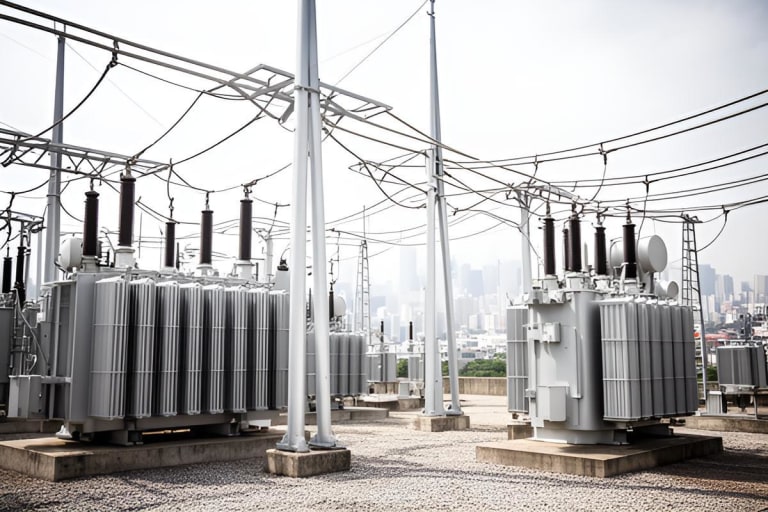 EPE relies on technology to expand grid capacity in São Paulo and serve data centers
READ MORE
EPE relies on technology to expand grid capacity in São Paulo and serve data centers
READ MORE
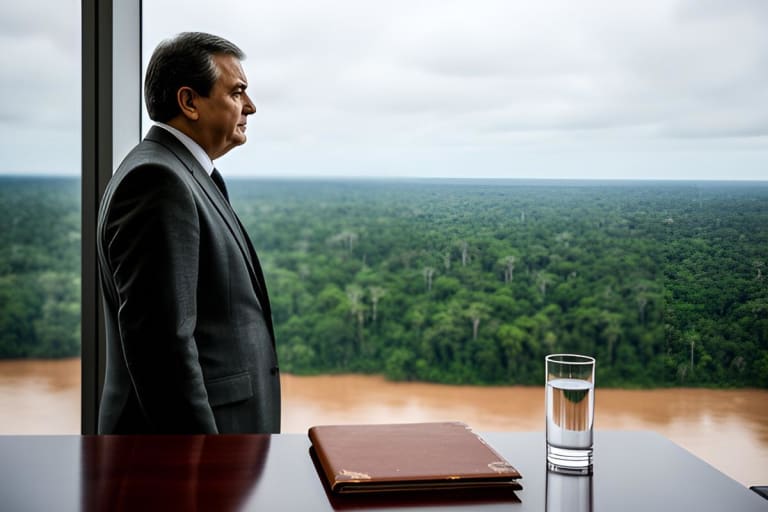 Dr. Furlan Faces the Challenge of Preparing Amapá for Oil Exploration in the Equatorial Margin
READ MORE
Dr. Furlan Faces the Challenge of Preparing Amapá for Oil Exploration in the Equatorial Margin
READ MORE
 Ministry of Mines and Energy Approves Tax Incentive for $304 Million Biomethane Project in Salvador
READ MORE
Ministry of Mines and Energy Approves Tax Incentive for $304 Million Biomethane Project in Salvador
READ MORE