A study by EPE indicates that Brazil‘s energy infrastructure urgently needs investments in transmission and storage to face the growing risks of climate change.
Brazil’s electrical infrastructure is at a turning point in the face of challenges posed by an increasingly unstable climate. According to the recent Roadmap for Strengthening the Resilience of the Brazilian Electric Sector in Response to Climate Change, published by the Energy Research Office (EPE), the system faces direct threats that compromise both power generation and distribution across various regions of the country.
The diagnosis is clear: while hydroelectric plants deal with water scarcity and prolonged drought cycles, the transmission system is becoming increasingly vulnerable to extreme winds, severe storms, and high temperatures. These events, often simultaneous, create a high-risk scenario that demands an immediate shift in the sector’s strategic and operational planning.
Strategies for a More Resilient Grid
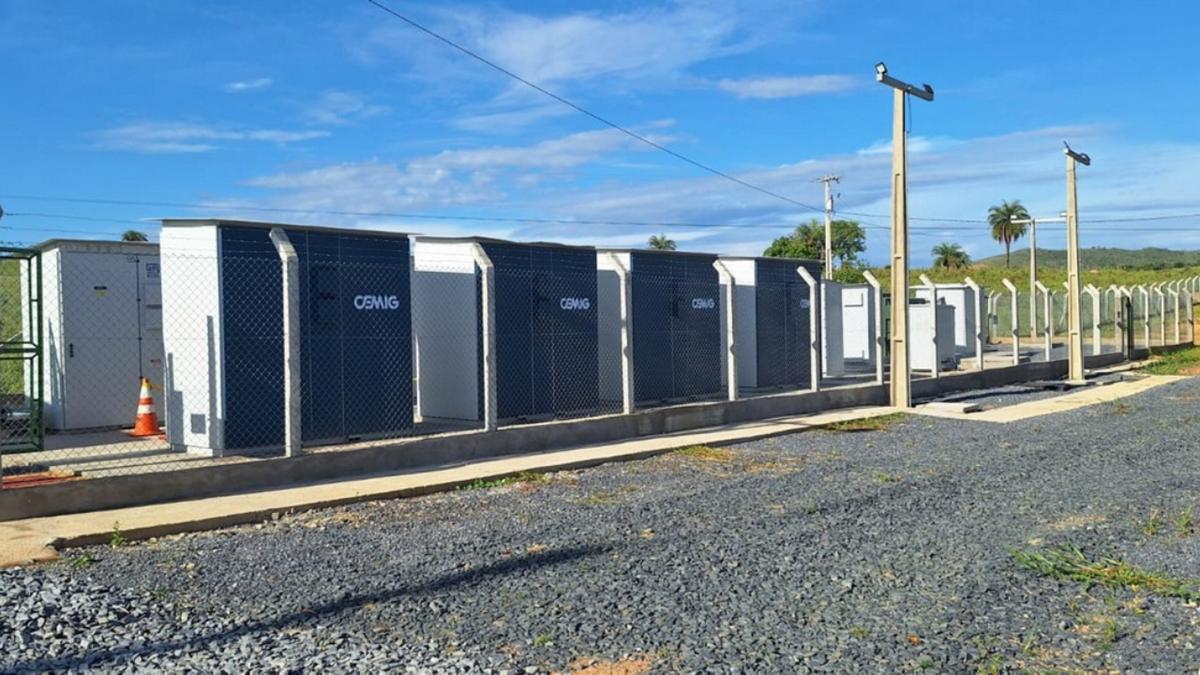
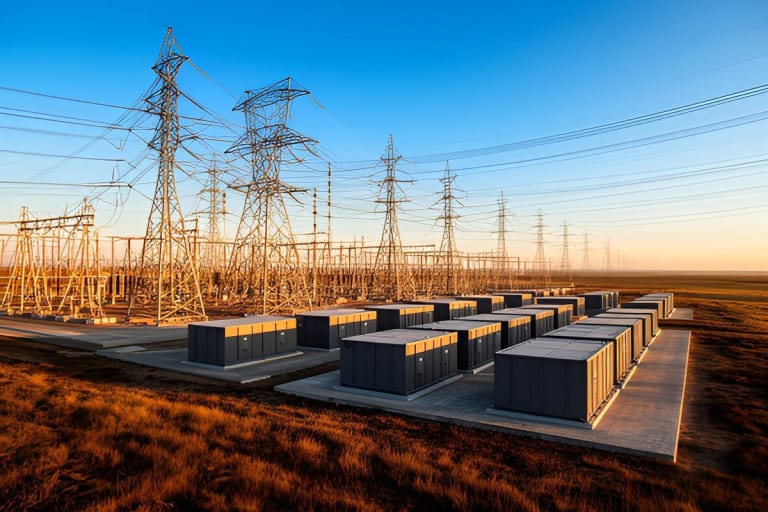
To mitigate these impacts, EPE proposes a set of robust measures. Among the priorities are reinforcing transmission lines with more resistant equipment, expanding energy storage capacity, and diversifying the energy matrix to reduce dependence on sources that react similarly to climate variations.
The core idea is that resilience should not be treated as an extra cost, but as a security pillar for energy supply. Integrating climate projections into the planning of new projects is seen as the path to avoiding future vulnerabilities. Regarding the transition of this management model, the document emphasizes:
“The proposal represents a shift in the traditional planning approach by considering not only historical conditions of temperature, precipitation, and resource availability, but also potential changes in these variables throughout the lifespan of the projects.”
Technology and Demand Response
In addition to physical construction work, the study advocates for technological modernization. The use of smart grids and advanced meters can help better manage consumption, especially during heatwaves, when system loads are pushed to the limit. Demand flexibility, through mechanisms that encourage rational use during critical hours, emerges as an essential complement to prevent overloads.
The future of Brazil’s electricity sector will depend on more efficient coordination among meteorological agencies, water resource managers, and the National Electric System Operator (ONS). The ability to anticipate extreme events and maintain well-defined emergency protocols will be the differentiating factor to ensure the country maintains its energy security, even under the constant impact of a changing climate.