
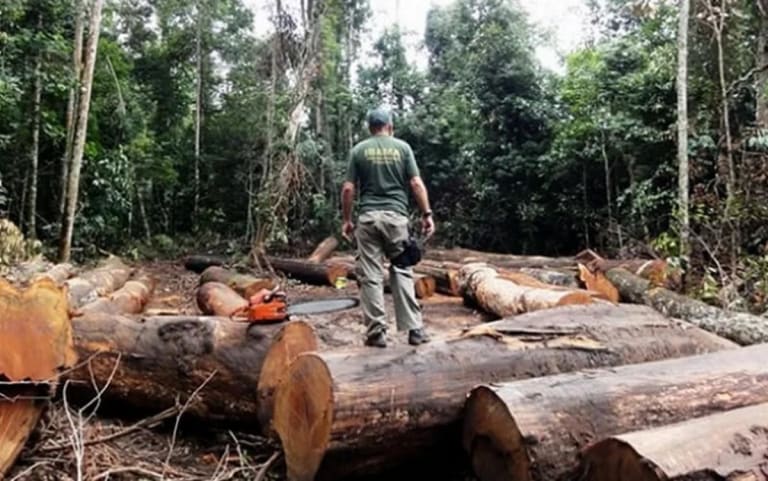
With the confirmation of the net zero deforestation target and the approach of new international requirements, the government of Luiz Inácio Lula da Silva faces the challenge of turning environmental rhetoric into real competitiveness for the Brazilian agribusiness.
The victory of Luiz Inácio Lula da Silva in the elections ends the electoral period but opens a phase of strict scrutiny over the ecological agenda and rural development. With the continuity of the administration, the federal government loses any justification for potential delays in preparing the country for new demands from international trade, demanding agility in the implementation of public policies for the productive sector.
The main practical test for the federal executive will be compliance with the European Union Regulation on Deforestation-Free Products, known by the acronym EUDR. The core requirements of this regulation will take effect at the end of December 2026, coinciding with the start of the new governmental cycle and imposing a rapid pace of adaptation for national exporters.
The weight of European demands and the race for traceability
The European bloc’s legislation directly affects seven key rural supply chains: soy, coffee, beef, timber, cocoa, rubber, and palm oil. To continue trading with European partners, companies will need to prove, through geolocation and advanced traceability systems, that the products they sell are not linked to vegetation removal that occurred after the end of 2020.
The re-elected government’s plan includes a promise to achieve net zero deforestation by the end of the decade, as well as to intensify enforcement work and develop due diligence tools in partnership with the private sector. It also foresees the implementation of individualized control for the cattle herd, from birth to slaughter, measures considered essential by experts in the field.
Net zero deforestation does not automatically mean compliance with the EUDR. The net target allows compensating vegetation loss with restoration in other areas; the European regulation scrutinizes the origin of each product and the specific area from the cut-off date.
This technical distinction shows that even practices permitted by Brazilian domestic law can face barriers in the European market. Moreover, the foreign standard requires simultaneous compliance with legality and non-vegetation suppression criteria, creating a complex scenario that demands diplomatic and commercial coordination from the country.
Future challenges and protecting external markets
Between January and September 2026, the European Union imported the equivalent of US$ 20.2 billion in commodities from the Brazilian agribusiness, solidifying its position as the sector’s second largest buyer. Maintaining this trade flow will require the federal government to efficiently integrate environmental and land registries, as well as strong technological support to prevent small producers from being excluded from global supply chains.