Engie projects a 2.3% efficiency gain at wind farm through Aneel-regulated R&D project.
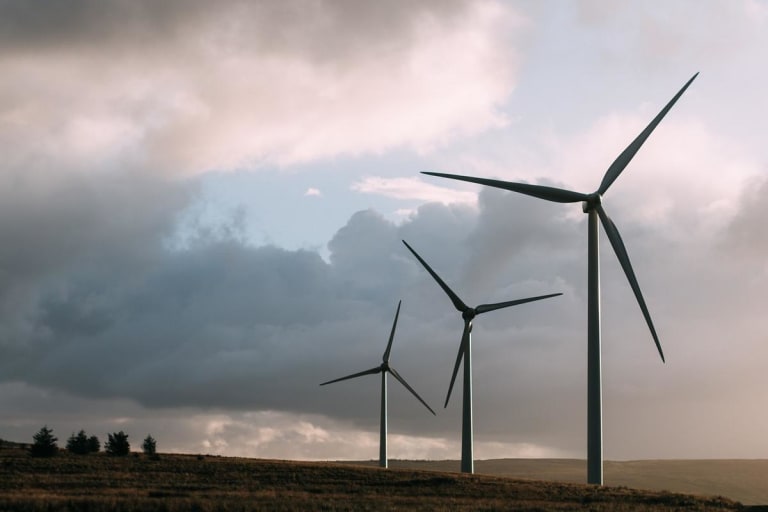
Engie Brasil Energia has announced an optimistic projection for one of its wind farms, anticipating a 2.3% increase in energy generation. This significant advancement is a direct result of implementing an innovative solution, stemming from a Research, Development, and Innovation (R&D) project overseen by the National Electric Energy Agency (Aneel).
The initiative, aligned with Aneel’s regulatory guidelines, demonstrates the company’s commitment to optimizing its operations and continuously pursuing greater efficiency in its renewable energy sources. The R&D project focuses on improving the performance of wind turbines, a crucial step to maximize clean energy production and strengthen Brazil’s wind sector.
Advances in Wind Technology
The developed solution, still being detailed by Engie, aims to enhance the operational performance of existing wind farms. This technology is expected to allow for the extraction of more energy from available wind, making operations more productive and economically viable.
The project comes amid a growing demand for renewable energy and the need to maximize the efficiency of every megawatt generated.
Commitment to Innovation and Sustainability
This Aneel-regulated project is a practical example of how research and development can drive the wind energy sector. By investing in innovation, Engie not only seeks to improve its financial results but also contributes to the expansion of sustainable energy generation in the country.
Aneel’s approval and oversight ensure that new technologies comply with regulatory standards and contribute to energy security.
The Impact of Regulatory Innovation
The estimated 2.3% efficiency gain at a wind farm is a promising indicator for the future of renewable energy operations in Brazil.
This type of project, encouraged by Aneel, is fundamental for companies in the sector to test and implement new technologies that increase production and reduce costs, solidifying the role of clean sources in the national energy matrix.
The expectation is that the lessons learned from this project will serve as a basis for future optimizations at other Engie facilities and inspire similar initiatives throughout the wind sector.