
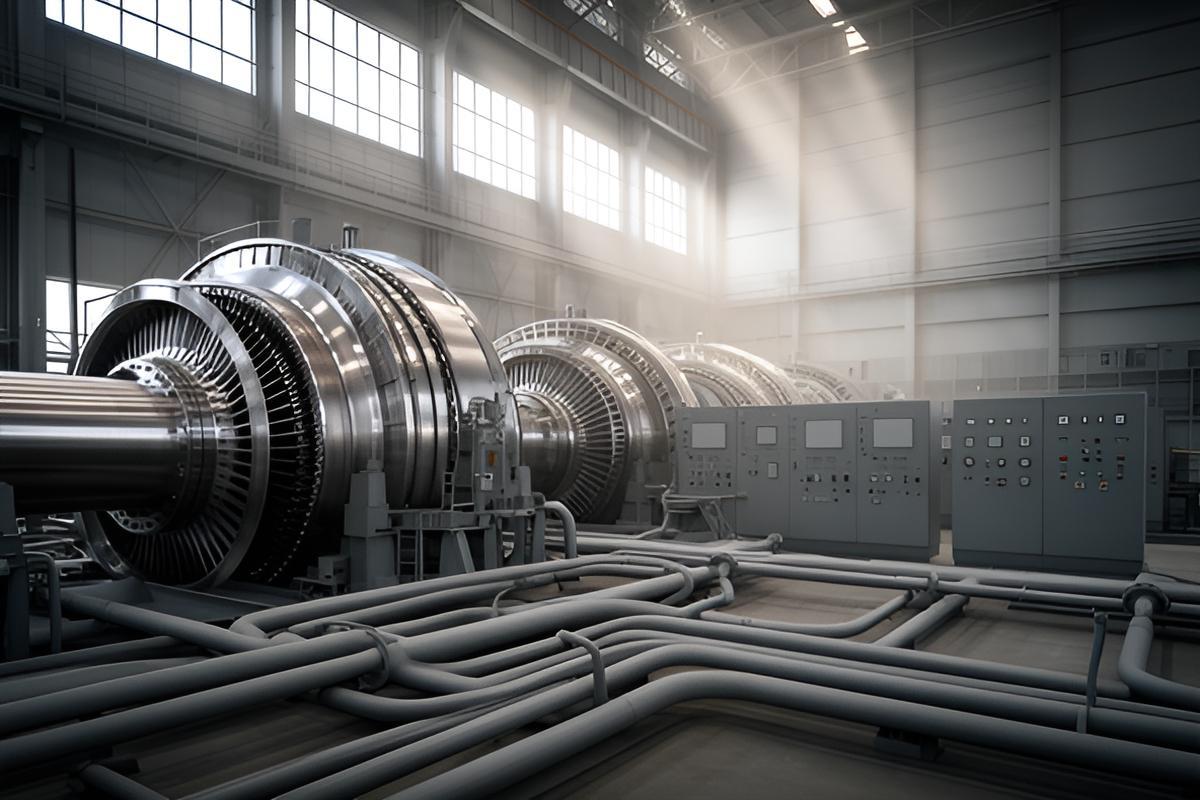
Eneva’s thermoelectric generation fell by 38% in the third quarter, influenced by the growth of renewable sources and lower energy prices in the Brazilian market.
The clean energy sector and the power generation landscape in Brazil are undergoing significant transformations, directly reflected in the financial and operational results of the industry’s major players. Eneva, a key reference in energy and natural gas in the country, recorded a significant contraction in its thermoelectric production during the third quarter, driven primarily by a more favorable hydrological scenario.
With stronger river basins and the expansion of the solar and wind matrix, the need to dispatch gas and coal-fired plants has decreased considerably. This shift reflects a challenging market dynamic for fossil-fuel assets, which are dealing with lower tariff levels and intense competition with renewable sources within the National Interconnected System.
Plant performance and the decline in dispatch
Total production from Eneva’s thermoelectric plants reached 2,105 GWh between July and September, representing a 38% drop compared to the same period last year. The Parnaíba Complex, located in Maranhão, followed this downward trend, operating at a reduced capacity factor due to lower demand from the National Electric System Operator.
At the same time, the company moved forward with diversifying its portfolio with the start of commercial operations for new strategic assets in the Northern region. The new production unit in Amazonas has been integrated into the generation fleet, adding to recently implemented capacity reserve contracts in Espírito Santo.
The expansion of renewables and high water availability are shaping a new standard for prices and dispatch for the national thermal fleet.
Impacts on natural gas production and solar energy
The downturn in thermal plant activity triggered a chain reaction in natural gas extraction, which saw its total volume reduced during the quarter. Production basins adjusted their flow to strictly meet the remaining demand from power plants, also affecting the LNG commercialization segment on a smaller scale.
On the other hand, the company’s solar energy assets showed resilience. The Futura 1 Solar Complex saw an increase in net production, although the sector still faces operational challenges related to energy injection curtailment mandated by the system operator.
Eneva’s adaptation to this new energy transition scenario will require flexible commercial strategies in the coming months. The market expectation is that the company will continue to balance its portfolio between thermal assets essential for system security and new investments in renewable sources.