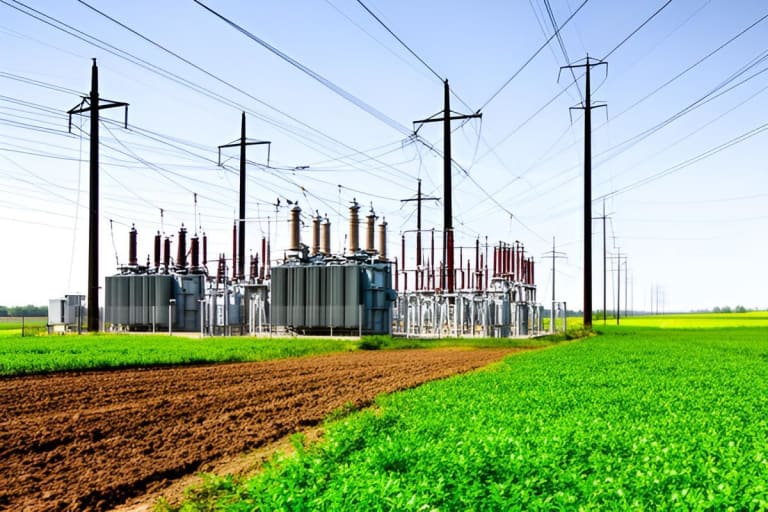
The 5th phase of the Energia Forte no Campo program increases state subsidies to up to 35% and now includes the construction of substations, boosting electrical infrastructure in the agricultural sector.
The state government officially launched the fifth stage of the Energia Forte no Campo Program during Expointer 2025. The initiative, aimed at modernizing energy infrastructure in rural areas, comes with a key strategic change: the increase in the state-offered subsidy, which jumped from 20% to up to 35% of the total value of approved projects.
This expansion of financial support seeks to reduce operational costs for producers and strengthen the competitiveness of local agribusiness. In addition to the financial incentive, the major highlight of this phase is the inclusion of projects focused on the implementation of substations, meeting a long-standing demand from the sector for greater energy stability and capacity in rural areas.
Focus on Expansion and Sustainable Infrastructure
The update to the guidelines, formalized via government decree, reflects the state’s commitment to the development of clean energy and the security of rural grids. By covering substation infrastructure, the program not only facilitates the connection of new enterprises but also mitigates bottlenecks that frequently interrupt agricultural productivity due to electrical system instability.
The energy transition in rural areas is an essential pillar for the future of our economy, allowing technological innovation to reach every corner of the countryside with safety and energy efficiency.
How to Participate and Access Documents
For producers and entities interested in joining this stage, the Department of Environment has made all application workflows and technical notices available digitally. It is essential to note that the success of the application depends on correctly filling out mandatory documents, such as the Work Plan (Annex I) and feasibility spreadsheets (Annex II), available for download on the department’s official channels.
The selection process is already underway, and the list of projects covered in this 5th phase reflects the growing interest in network modernization. With this more robust financial backing, the State Government expects to catalyze an investment cycle that will transform the rural consumption matrix, connecting the countryside to contemporary technological demands and ensuring the sustainable growth of agricultural production in the coming years.