
Eletra projects 30,000 jobs and training in electric buses in Brazil.
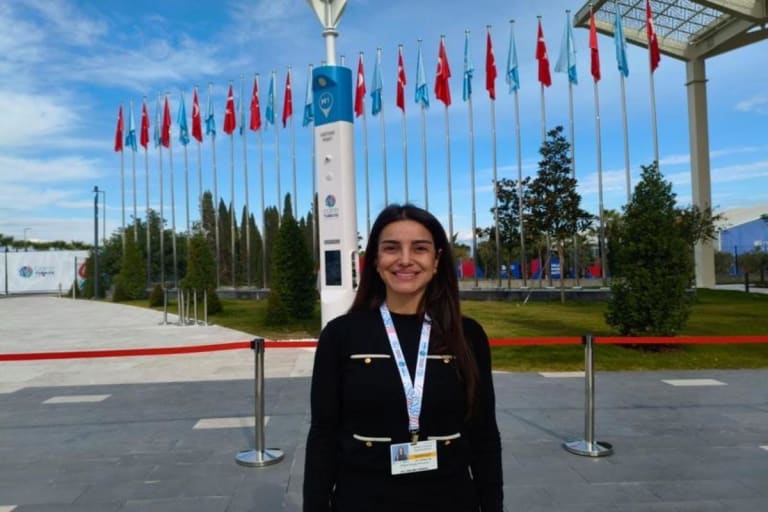
The expansion of the electric bus fleet in Brazil emerges as a powerful engine for job creation and professional development, driving Brazilian reindustrialization. During COP31, held in Antalya, Turkey, Milena Braga Romano, president and CEO of Eletra, presented an optimistic outlook: the supply chain for producing 1,500 electric buses annually has the potential to create roughly 30,000 direct and indirect jobs.
This significant figure includes suppliers of chassis and batteries, traction systems, and other essential components. More than a technological leap, electromobility is solidifying itself as a major force in the labor market, with projections that extend beyond manufacturing to directly impact the operation and maintenance of the vehicles.
Training: A Pillar for the New Mobility Era
The shift to electric public transport is not limited to infrastructure and manufacturing; it fundamentally requires the updating and training of professionals. At a session during COP31, Milena Braga Romano and Vinícius Ladeira, senior national director of SEST SENAT, emphasized the urgency of training programs for drivers and mechanics.
Milena Braga Romano highlighted:
Today, the reality is in more than 25 garages, already implementing fleet electrification. In Brazil, there are three states. So, it is already a national reality for the operation and maintenance of electric buses.
Eletra, in partnership with organizations such as SEST SENAT and CNT, has led initiatives to help professionals accustomed to diesel vehicles adapt to new technologies.
Requalification covers everything from driving techniques tailored to the particularities of electric vehicles to the maintenance of complex electronic systems, energy management, and specific safety procedures. Vinícius Ladeira adds to the vision, noting that green job creation has two facets: the creation of new opportunities and the revitalization of existing careers.
Golden Opportunity for the National Industry
Electrification of transport presents a unique chance for the Brazilian industry to regain global competitiveness. Milena Braga Romano sees the expansion of electric mobility as a giant opportunity for reindustrialization. Brazil has the technical knowledge, industrial capacity, and technology to meet domestic demand and, with potential, expand its exports to other Latin American markets.
Strengthening this production chain stimulates vital sectors such as metallurgy, electronics, and engineering, while driving the development of battery technologies and charging infrastructure. These activities create jobs at all levels, from production to specialized engineering.
Beyond economic and employment benefits, electromobility improves working conditions by reducing noise and vibration, and increasing vehicle operational availability, as demonstrated by Eletra, which records about 99% availability with its electric buses, surpassing the average of diesel models.
Financing and the Future of Sustainable Mobility
Enabling the necessary investments for expanding electric mobility was a central discussion point at COP31. The participation of Milena Braga Romano and Luciana Costa, Director of Infrastructure at BNDES, highlighted the importance of financing mechanisms that drive transportation modernization and decarbonization.
Eletra’s perspective is clear: financing electromobility should be evaluated from the perspective of its multiple impacts, including industry dynamization, creation of skilled jobs, and strengthening of national production.
This approach aligns the energy transition with social and economic development, reinforcing that a sustainable future is also synonymous with opportunities and growth for Brazil. The Brazilian experience in manufacturing, operating, and maintaining electric buses presented at COP31 actively contributes to the global debate on financing and industrial development, showing that green jobs are a tangible and promising reality.