

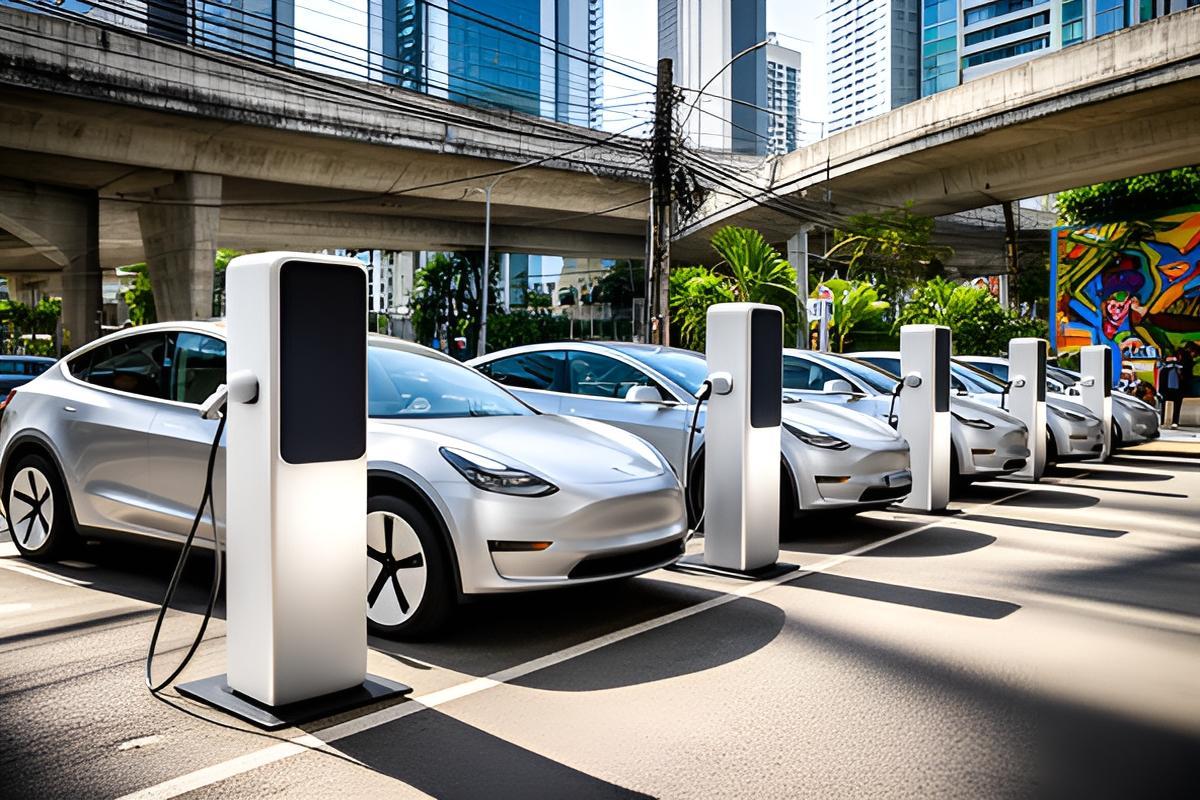
The fleet of electric vehicles in Brazil will require an additional 14.8 TWh of electricity annually through 2036, directly affecting the national electricity sector‘s planning.
The energy transition in Brazil is moving to a new level with the rapid growth of electromobility. According to the Decennial Energy Expansion Plan (PDE) 2036 released by the Energy Research Company (EPE), the circulation of electrified vehicles will require 14.8 terawatt-hours of electricity per year over the next decade.
This volume will represent 1.5% of all projected demand for the country during that period. The projection, developed under the guidelines of the Ministry of Mines and Energy (MME), details how different transportation modes will influence consumption and require adaptations to the energy distribution infrastructure.
Impact of light vehicles and public transport
Passenger cars and light trucks lead the fueling need, with an estimated figure of 9.4 TWh in 2036. Urban electric buses will demand 4.6 TWh, while electrified trucks will add 0.7 TWh to the system.
The fleet expansion aligns with ambitious market goals. Electrified light vehicles—a category that includes hybrids and battery models—could reach 9.7 million units on the road in Brazil, accounting for 15% of the total fleet and 36% of new registrations within the study horizon.
Distribution challenges and new technologies
The rise of electromobility places cars in the category of large energy loads. Alongside data centers and hydrogen projects, these demands will jump from 4 TWh to 47 TWh by 2036. The main concern lies in the dispersion of these charges across local energy distribution networks.
To mitigate overloads on the electric system, experts point to the urgency of advanced technological solutions. Smart charging, time‑of‑use tariffs, and V2G (vehicle‑to‑grid) technology emerge as key alternatives to optimize electricity flow.
Solutions such as smart charging, differentiated time‑of‑use tariffs, and vehicle‑grid integration can help manage this demand.
Future Outlook for the Sector
The success of this transition will depend on continued investment in regulation and supply infrastructure. While urban centers more readily absorb the electrification of bus and light truck fleets, heavy segments still face range and cost barriers, leaving room for alternative fuels such as biomethane and natural gas.
The next steps will require coordination among automakers, regulatory bodies, and energy distributors. The goal is to ensure that the growth of the green fleet occurs sustainably, without compromising the stability of the national electric grid.