
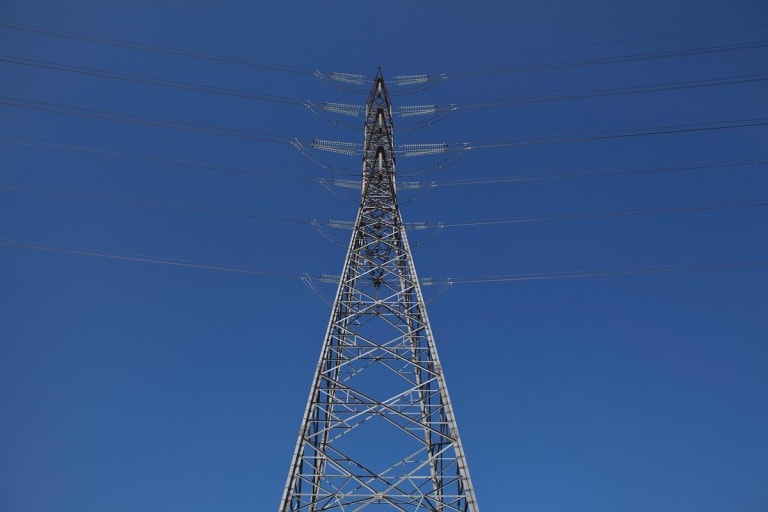
Energy utilities in Brazil are ramping up preparations and investments to counter the severe impacts of the super El Niño, which is expected to bring extreme weather and pose significant challenges to the national power grid.
With the imminent arrival of a super El Niño in the second half of 2026, Brazil’s energy sector is on high alert.
The phenomenon is expected to significantly intensify weather patterns, manifesting as heavy storms and severe droughts across various regions of the country.
This scenario, exacerbated by global warming, places unprecedented stress on electrical infrastructure.
In response to this threat, energy utilities and regulatory bodies are already mobilizing resources and efforts.
The primary goal is to anticipate and mitigate direct impacts on power generation, transmission, and distribution, ensuring energy security and continuous supply for millions of consumers across Brazil.
Brazil is already feeling the effects of extreme weather events. Recent reports from ClimaInfo indicate a worrying jump in the number of municipalities under federal emergency decrees, rising from 56 to 145 in just one week.
August, for example, saw over 20,000 wildfire outbreaks, while storms displaced thousands of people across 11 states, causing power outages and widespread disruption.
Response from the National Electrical System
To strengthen the National Interconnected System (SIN) in the face of rising demand driven by heatwaves, the Electric Sector Monitoring Committee (CMSE) has taken preemptive action.
Five thermoelectric plant contracts were brought forward, adding 1.8 GW to supply capacity starting September 1st.
This measure aims to relieve pressure on the power grid and prevent service interruptions.
The challenges are not limited to generation; energy distribution is particularly vulnerable.
Recent incidents with winds exceeding 100 km/h in São Paulo, Rio de Janeiro, and Rio Grande do Sul have already exposed this fragility, leading to widespread power cuts and shutdowns of essential services.
The consensus among executives and experts is that, in addition to balancing consumption with intermittent renewable sources, transmission and distribution grids require robust reinforcement to support growing demand in the era of electrification.
Utilities Reinforce Contingency Plans
In Rio de Janeiro, Light announced the early start of its Summer Plan, designed to shield the power grid against the impacts of heavy rains, heatwaves, and strong winds forecast for El Niño.
Strategies include intensified preventive maintenance, advanced meteorological monitoring, and increased operational capacity, which can quadruple the number of field teams on high-alert days.
Light also highlighted initiatives such as its partnership with Comlurb to prune trees near power lines, a project that has already involved 315 interventions.
Furthermore, the company plans to provide guidance to residents in the most susceptible areas to promote safety and prevention.
In Espírito Santo, EDP has also moved forward with its 2026/2027 Summer Plan.
The distributor has committed an investment of R$ 5 billion to projects for the expansion, modernization, and digitalization of the power grid, benefiting approximately 1.8 million customers.
EDP‘s plan includes real-time weather monitoring, drills, and close collaboration with the Civil Defense, Fire Department, and municipal governments.
The pruning of more than 240,000 trees within its concession area between January and August illustrates the focus on minimizing the risks of outages caused by vegetation.
The preparation of energy utilities for El Niño is a testament to the urgency and seriousness with which the energy sector is addressing climate change.
These preventive efforts and massive investments are crucial for the resilience of Brazil’s electrical infrastructure, ensuring the country can face climate challenges without compromising access to power.
As the energy transition progresses and power demand grows, the adaptability and robustness of electrical grids become even more vital.
The 2026 scenario underscores the ongoing need for long-term strategic planning and continuous investment in technology and innovation for a more sustainable and energy-secure future.