
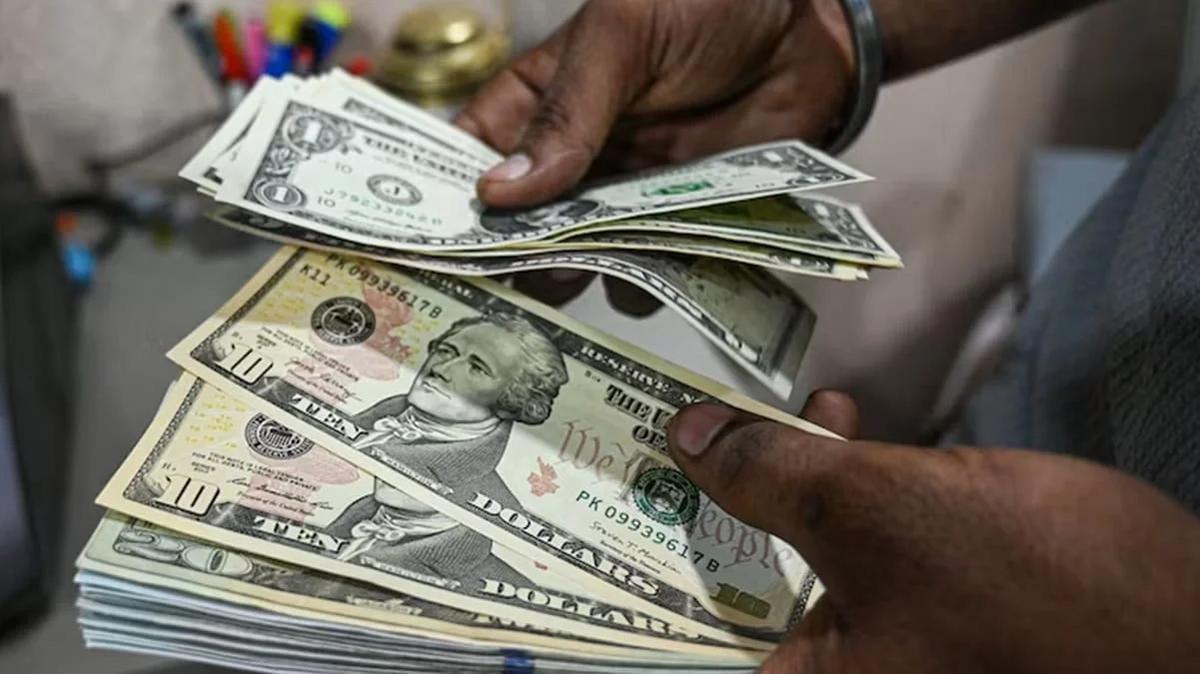
The Brazilian financial market experienced strong volatility on Tuesday, with a surge in the US dollar and a pullback in the stock market, driven by external economic indicators and domestic fiscal caution.
The session on Tuesday was marked by a pronounced risk‑aversion climate in financial markets, reflecting the strength of external factors combined with adjustments in the national sphere. The global economic environment was heavily influenced by U.S. inflation indicators that came in above forecasts, shifting expectations for the next steps in international monetary policy.
At the same time, investors processed the developments of the minutes released by Copom, a document that detailed inflationary pressures stemming from supply shocks and reiterated concerns about the country’s public finances. This combination of elements resulted in a day of significant losses for the main equity indices and a strong appreciation of the U.S. dollar.
Impact on currency and the Brazilian market
The commercial dollar recorded a sharp rise of 1.48%, closing at R$ 5.5860 on the sell side, after trading near R$ 5.61 throughout the day. The move reflected both global demand for safe havens and financial agents’ discomfort with Brazil’s fiscal framework.
The Ibovespa, B3’s main benchmark, mirrored the pessimism and fell 0.83%, closing at 170,809 points. The decline was driven mainly by the negative performance of market heavyweights such as Vale shares—penalized by iron‑ore dynamics—and major financial institutions like Itaú Unibanco.
The market reacted with heightened caution to the new inflation data and fiscal uncertainties, creating a challenging environment for risk assets.
International scenario and falling commodities
Outside the country, the release of the CPI in the United States above expectations increased the likelihood of another rate hike by the Federal Reserve in December. This scenario globally strengthened the U.S. dollar and knocked down futures contracts for precious metals and energy.
The gold and silver markets suffered sharp losses on the New York exchange, while oil prices fell amid diplomatic talks in the Middle East and the strengthening of the dollar. In the tech sector, Nvidia shares also plunged under the weight of independent investigations and questions about compliance with semiconductor export restrictions to China.
The instability observed in global and local markets will continue to set the pace for upcoming trading sessions, with investors keeping a close eye on the Fed’s monetary policy developments and domestic fiscal policy. Upcoming macroeconomic data releases will be crucial in determining the direction of interest rates and commodity behavior in the coming weeks.