Regulatory progress in Brazil promises to attract investments in data centers, turning environmental challenges into opportunities.
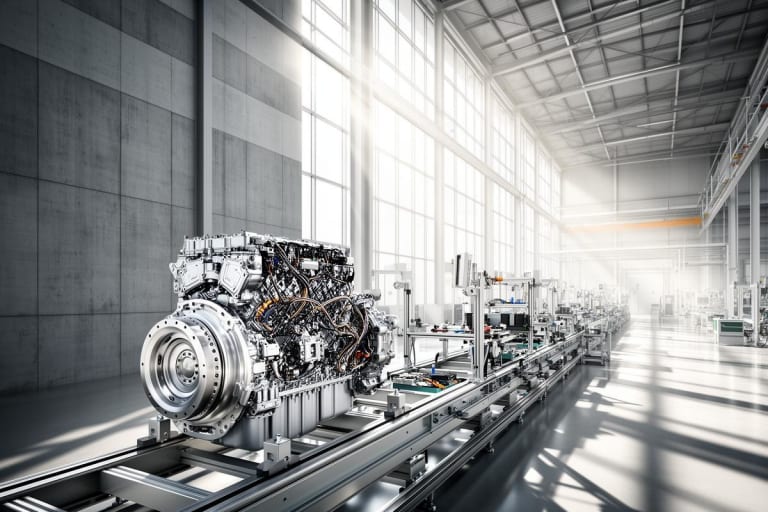
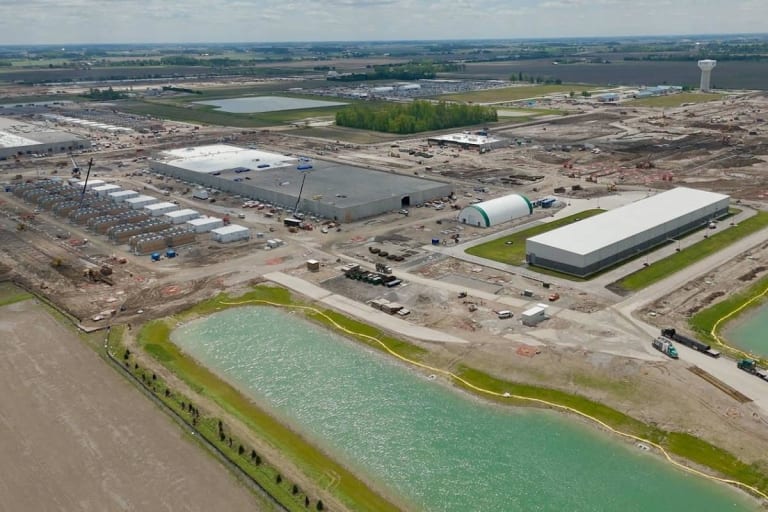
The technology sector, driven by the growing demand for artificial intelligence and digital services, has seen unprecedented expansion in data center infrastructure. However, this growth also raises concerns about energy consumption and water resource usage.
Brazil, seeking to capitalize on this growth, is about to finalize the regulation of Redata, a special tax regime aimed at attracting new investments in data centers. The law, signed in September 2026, still awaits the crucial definition of what will qualify as “low emission” energy, a fundamental step for its full implementation.
The global expansion of energy demand to power data centers is remarkable. Estimates point to a more than 100% increase in worldwide consumption by 2030.
In Brazil, the projection is equally expressive, with connection requests totaling 38 GW already registered, representing a significant share of the country’s installed energy capacity.
For Brazil to position itself as an attractive hub for these investments, establishing clear and efficient rules is imperative, ensuring the country can capture a relevant slice of this expanding global market rather than losing this opportunity to other regions.
Global challenges and the Brazilian perspective
Although the adoption of digital technologies and artificial intelligence is an irreversible trend, the construction of large data centers has faced resistance in various parts of the world.
The Nimby (Not In My Backyard) phenomenon arises primarily from two concerns: the cost of expanding the electrical infrastructure needed to meet growing demand, and the pressure on local resources such as water and land.
Data from the World Economic Forum indicate that many data centers already operate in water-scarce areas, and local opposition has led to the cancellation of multi-billion-dollar projects, especially in the United States and Europe.
Contrasting the pushback approach, Brazil adopts a perspective that seeks to turn these concerns into opportunities.
The proposal is for regulation to encourage the adaptation of projects so that data centers are no longer seen as a problem and instead become part of the solution.
This involves aligning the operation of these mega-loads with the flexibility of the electrical system and the sustainable management of natural resources.
The idea is to attract investments that not only meet technological demand but also contribute to the resilience and sustainability of the energy and environmental sectors.
Energy flexibility: The key to sustainability
The integration of data centers into the electrical system can be optimized through load modulation.
Studies, such as the one by the Nicholas Institute at Duke University, suggest that flexing demand by just 1% during peak hours can significantly reduce the need for investments in new thermal power plants.
This flexibility not only generates savings—estimated between $40 billion and $150 billion over a decade—but also directs new capacity toward renewable sources, benefiting all consumers with lower tariffs.
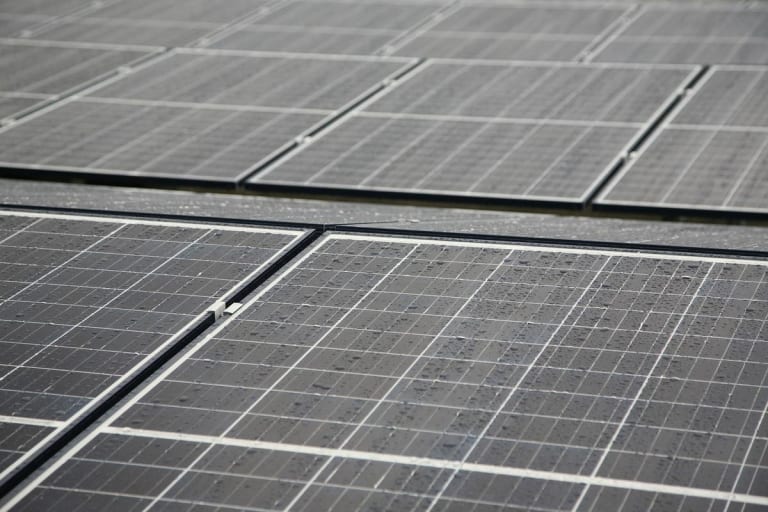
In the Brazilian context, the opportunity is even more promising. With a surplus of renewable energy during the day, especially from wind and solar sources, flexible data centers can act as a “breath of fresh air” for the system.
By shifting their consumption to hours of greatest clean energy availability, they take advantage of this abundant supply, allowing for the postponement of investments in generation and grid infrastructure.
This strategy is an essential component for the decentralization and modernization of the power sector, aligned with the goals of clean energy and sustainability.
Opportunities in resource management and innovative regulation
The integrated management of resources such as energy, water, minerals, and land is fundamental.
The high water demand of data centers, projected to reach significant levels globally, requires new ventures to consider local hydrological and social limits.
The solution lies in projects that use closed-loop cooling, locate near clean energy sources, and implement comprehensive environmental impact metrics.
Brazilian regulation has the chance to incentivize what is called best in class, prioritizing projects that demonstrate a commitment to sustainability and energy flexibility.
The ordinance that will define the concept of “low emission” under Redata is seen as a milestone for implementing this vision.
Instead of simply accommodating growing demand, the proposal is to use regulation as a tool to attract investments that actively contribute to solving the country’s energy and environmental challenges.
This proactive approach, focused on attracting the best in class, aims to ensure that the technological advancement of data centers occurs harmoniously with sustainable development.