Corporate governance is becoming the main driver for decarbonizing road transport in Brazil, enabling technologies like biomethane through strategic planning and structured investments.
The Road Freight Transport (RFT) sector is undergoing a profound transformation, where sustainability has moved beyond mere discourse to become a metric for survival and competitiveness.
Recent data from Amcham and the UN Global Compact reveal that three-quarters of Brazilian companies have already incorporated environmental criteria into their core strategies, driving a movement for fleet renewal and the adoption of cleaner energy sources.
This transition requires much more than purchasing new vehicles; it demands a robust governance structure. For the sector to advance in emission reduction, it is necessary to align financial management, risk control, and an infrastructure capable of supporting renewable fuels, transforming ESG goals into concrete operational results.
Governance as a Pillar of Efficiency
The implementation of sustainable practices in Brazilian trucking companies has undergone intense professionalization. Currently, the sector is seeking international certifications, such as ISO 39001 and ISO 9001 standards, which ensure that greenhouse gas reduction is carried out in a measurable, transparent, and safe manner.
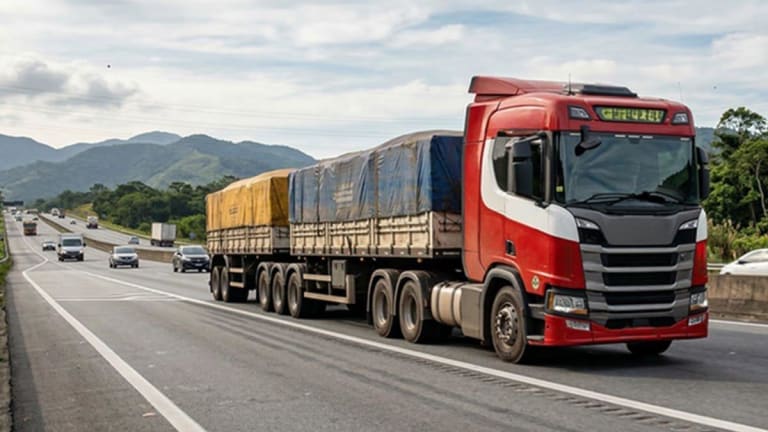
Furthermore, the creation of specialized departments for ESG and institutional relations has allowed decision-making to be based on compliance and operational efficiency. This administrative foundation supports ambitious projects, such as the Corredor Verde (Green Corridor) initiative, which aims to operate a biomethane-powered fleet, supported by strategic refueling stations that will serve both internal use and external partners.
“The biomethane truck is the part that hits the road, but there is an enormous amount of decisions made before that moment. It is in this process that governance creates the conditions for an environmental strategy to advance and remain sustainable in the long term,” highlights Joyce Bessa, director of ESG and Institutional Relations at TransJordano.
Projections and the Future of Clean Transport
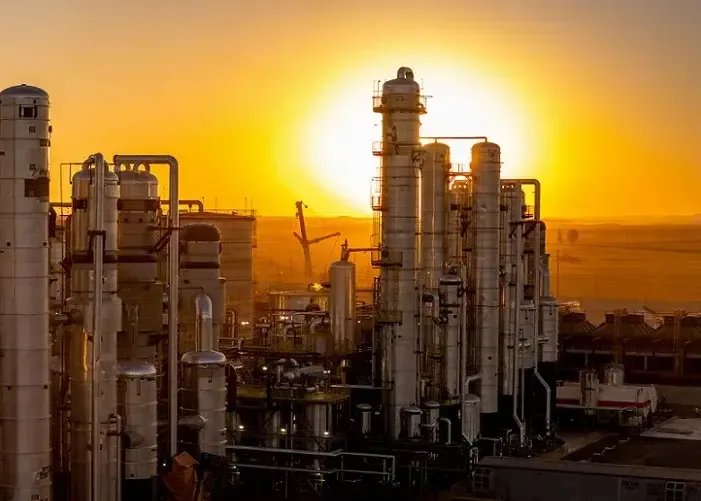
The success of projects focused on the clean energy matrix depends directly on economic viability. Biomethane emerges as a viable alternative to reduce dependence on fossil fuels, but its large-scale adoption requires an investment ecosystem that covers everything from supply logistics to technological security.
The trend is that companies managing to integrate infrastructure management with a long-term vision will lead the market in the coming years. With the maturation of governance policies, the national transport sector is moving towards a greener operational model, proving that environmental responsibility and profitability go hand in hand in the era of the low-carbon economy.