

The presidency of COP31 released the first summary of negotiations in Antalya, highlighting electrification and renewable energy, while diplomats seek consensus on clean sources and energy security.
The climate summit in Turkey entered a new phase this Friday with the release of the first official snapshot of the talks. After the heads of state departed, diplomats took over to build understandings among more than 190 countries until the event’s conclusion, scheduled for next week. The preliminary document covers core pillars such as financing, climate urgency, and evidence-based defense, serving as the foundation for the final text.
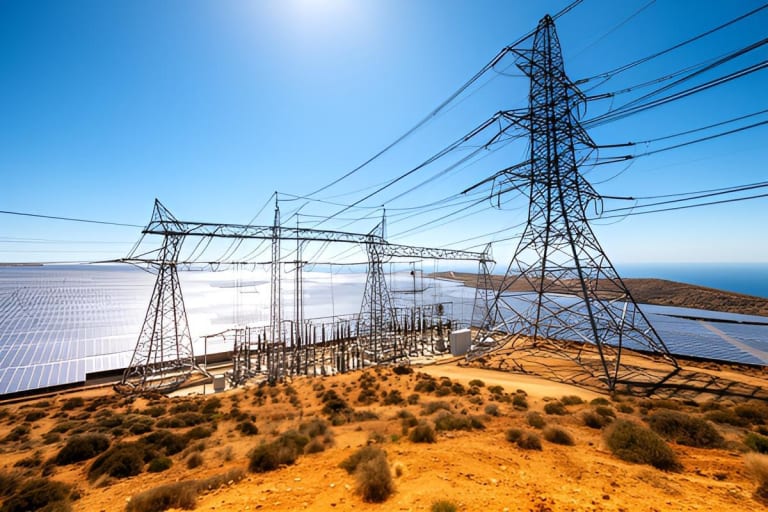
Electrification stands out as the conference’s flagship showcase, co-hosted by Turks and Australians. The event’s central goal, set by its presidency, is to raise the share of electricity in the global energy mix from just over 20% to 35% by 2035. The initiative, echoing efforts launched at COP30 with strong participation from Brazil, has the backing of major international corporations, though only a limited group of governments has formally joined so far.
Disagreements on clean sources and energy security
The main point of friction among negotiators concerns the origin of the electricity needed to meet this new demand. European nations, led by countries such as Germany and Portugal, call for stricter guidelines to ensure that the electric expansion is driven solely by renewable sources.
On the other hand, the event’s organizers—who still maintain a strong dependence on coal—resist imposing rigid restrictions. The preliminary text attempts to balance these views by citing support for clean energy and storage, while ensuring flexibility to respect each nation’s different realities and development priorities.
Benefits, economic opportunities of the energy transition and climate action, links to energy security, accessibility, price moderation, rapidly falling costs, and technology maturation
Next Steps and Global Coordination
While the debates advance behind the scenes, civil society is intensifying pressure for robust mechanisms of a just transition, demanding that vulnerable communities remain at the center of decision‑making. At the same time, the launch of the Global Implementation Accelerator reinforces the intermittent commitment among Brazil, Turkey and Australia to scale high‑impact climate solutions with private sector support.
The diplomatic sector expects the pace of negotiations to accelerate over the weekend, breaking historic impasses to enable a comprehensive and viable agreement for the global energy future.