
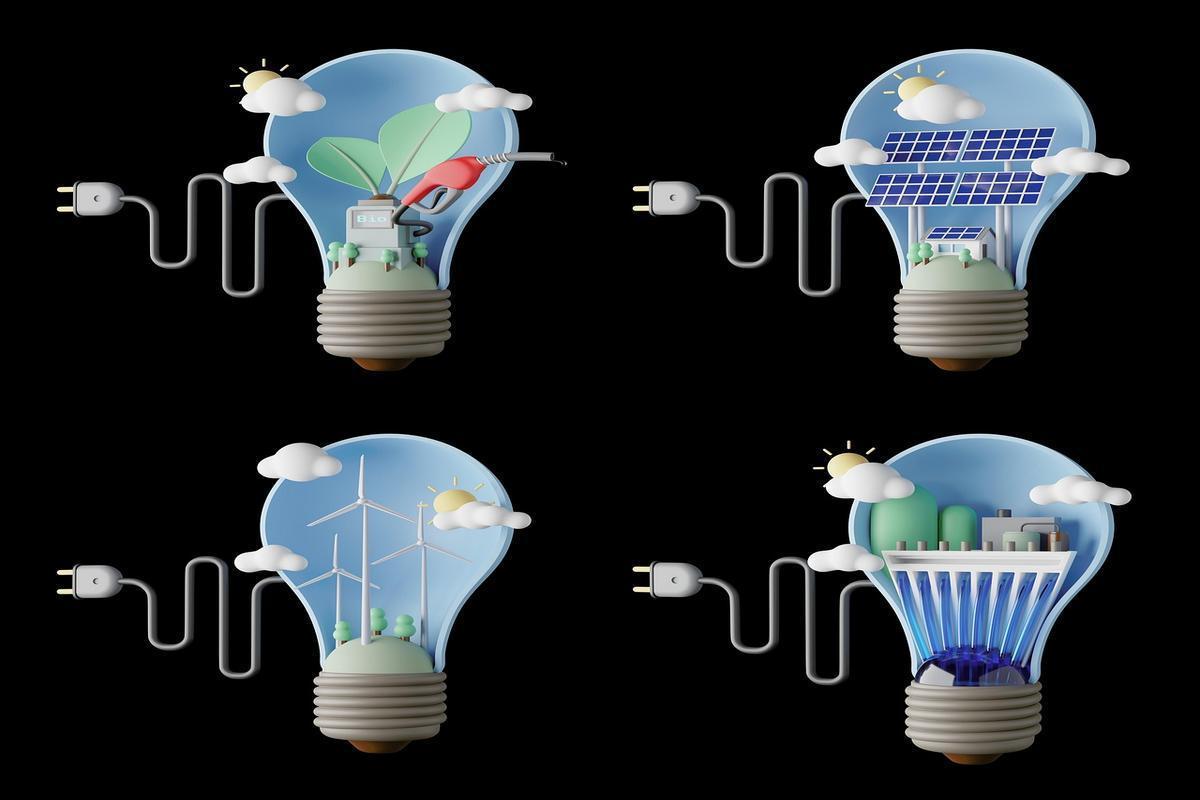
The COP31 climate summit kicked off in Antalya under a sense of urgency, with a set agenda and a full focus on mobilizing financial resources for the global energy transition.
The United Nations climate conference, COP31, began on Monday (11/9) in Antalya, Turkey. In an unusual move for climate diplomacy, delegates approved the negotiation agenda on the first day, avoiding the typical procedural stalemates that often delay the start of discussions. The central focus of this edition will be adaptation to climate change and preparation for the Second Global Stocktake (GST2), in a scenario where the 1.5°C global warming limit is becoming increasingly difficult to sustain.
The speed in setting the schedule was made possible by behind‑the‑scenes agreements that isolated thorny topics, such as trade disputes and the push for triple‑fold financing targets for adaptation—demands led by developing nations and the African continent. Although not on the main agenda, these issues will be addressed in specific forums, ensuring that the flow of funds from developed countries to emerging economies remains a central pillar of the discussions.
The challenge of financing and the energy transition
The president of COP31, Murat Kurum, emphasized the need to turn promises into tangible capital flows. The goal is to reach at least US$ 300 billion annually by 2035 for developing countries, with a mobilization horizon that could reach US$ 1.3 trillion per year. This amount is considered vital for countries to actually implement their mitigation and climate resilience goals.
“Our promises must be backed by capital. That capital must finance investments. And those investments must deliver results.”, said Murat Kurum during the opening session.
Although it was expected to be a “COP of implementation,” the event faces an atmosphere of skepticism. Geopolitical tensions and armed conflicts have diverted investments that would have been earmarked for environmental agendas, turning the energy transition into an economic security measure. Executive Secretary of the UNFCCC, Simon Stiell, was incisive in comparing the volatility of fossil fuel prices to a cancer that directly impacts global inflation and household well‑being.
Decarbonization Roadmaps and Brazil’s Role
Brazil’s leadership remains evident. After the success of COP30 in establishing the “Baku to Belém Pathway Map,” Brazil presented a roadmap for eliminating deforestation by 2030. This Tuesday (10/11), attention turns to the awaited map on moving away from fossil fuels, which proposes strategies divided among demand, supply, and reducing economic dependence on hydrocarbons.
At the same time, the Turkish presidency is driving the “Action Agenda,” a voluntary participation program that seeks to raise global economic electrification to 35% by 2035. Analysts from the Climate Action Tracker (CAT) warn, however, that the goal requires a four‑fold acceleration over the current pace. Optimism about these targets is tempered by the U.S. scenario: under the administration of Donald Trump, the United States has imposed barriers to official delegate participation, forcing local authorities and entities to seek philanthropic resources to mark their presence in the debate.
The success of COP31 will depend on global leaders’ ability to harmonize these fragmented agendas. The next step will be to see whether voluntary commitments translate into robust domestic policies, as the window of opportunity to curb the most severe impacts of climate change continues to narrow.