

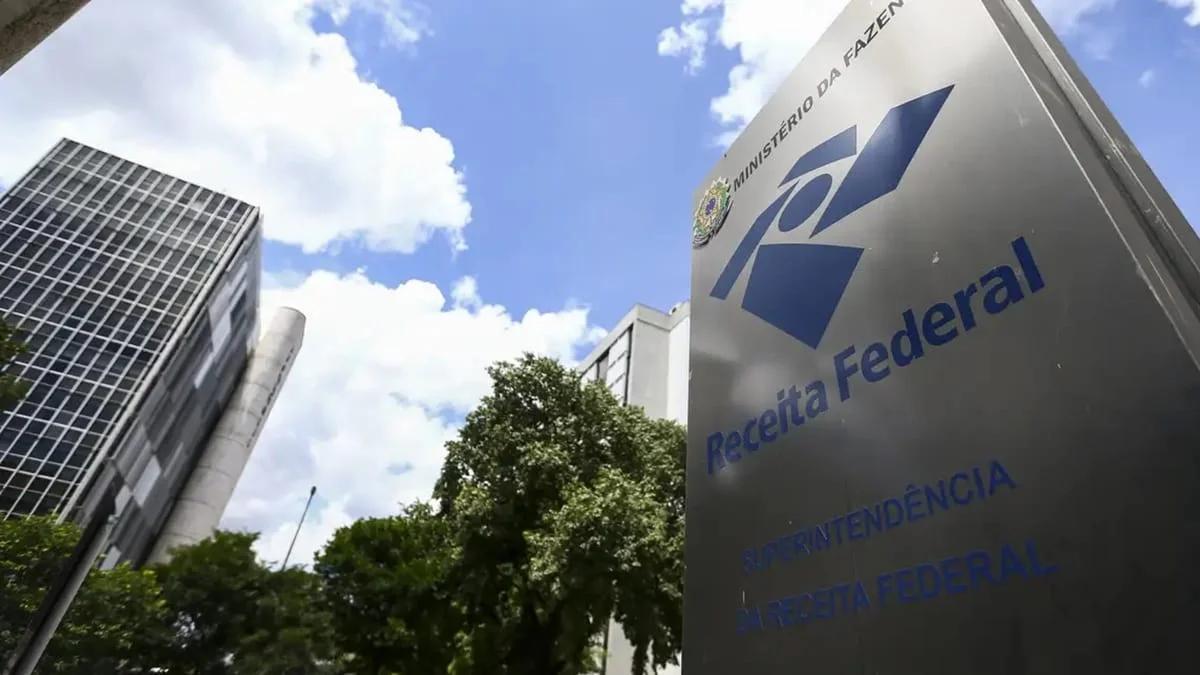
The Federal Revenue Service has opened direct access for companies with a CNPJ to the CBS test environment, accelerating the implementation of the Tax Reform systems.
The modernization process of the national tax authority has made a decisive leap toward aligning Brazilian companies with the new fiscal model. The Federal Revenue Service has relaxed the rules for joining the Contribution on Goods and Services (CBS) test environment.
Under the new regulation issued by the agency, any organization registered with a CNPJ can enter the pilot phase of the Tax Reform. The measure eliminates prior requirements that called for endorsement by class bodies or prior bureaucratic approval.
The decision aims to speed up practical preparations and ensure that data infrastructure is consolidated and operational before the definitive replacement of existing taxes in the country.
Technological integration between the private sector and the tax authority
The experimental CBS environment was designed in partnership with the Federal Data Processing Service (Serpro). The platform will serve as a practical laboratory to validate operating systems and correct technical glitches.
At this stage, the primary goal is to identify processing inconsistencies, improve data submission flows, and fine‑tune tools before the official launch of the tax.
Test management will remain under the responsibility of the Program for Implementation of the Tax Reform Operating Systems until the end of 2026. From January 2027, technical management will transfer to the General Coordination for Technology and Information Security (Cotec).
“The pilot will allow companies and the Federal Revenue Service to conduct joint tests to validate and refine the technological systems required for the new tax model.”
Access rules, digital power of attorney, and security requirements
To use the services offered on the CBS Pilot Portal, taxpayers must meet pre‑established technical security, registration, and operational requirements.
Participating companies must grant digital powers of attorney to their legal representatives, specifying the necessary permission levels according to the intended platform functionalities.
Among the available resources, issuing credentials for integration via API (Application Programming Interface) stands out, essential for data exchange between business systems and the tax authority.
Additionally, access to the Specific Regimes Declaration (DeRE) will require customized operational authorizations, with each company mapping and granting the appropriate access keys to its operators.
Control and Stability Mechanisms of the Platform
To preserve server stability and the integrity of the digital environment, the Federal Revenue Service may set temporary data traffic limits for registered users.
The definition of restrictions will consider criteria such as daily transaction volume, system operational capacity, and the type of service requested by the participant.
The regulatory body will also retain the prerogative to suspend, block, or restrict access for any company that violates terms of use or jeopardizes the network’s cybersecurity.
Conclusion and Outlook for the Brazilian Market
The unrestricted opening of the CBS test environment marks a crucial milestone for the productive sector’s preventive adaptation to the country’s new tax rules.
By enabling simultaneous certification of enterprise management software with the Federal Revenue Service servers, operational bottlenecks at the definitive transition of the tax system are minimized.
Active participation by companies during this development window will be decisive in ensuring a smooth, rapid, and secure transition for the entire national economy.