
The National Interconnected System maintains stability in power supply, even amid the climatic challenges posed by El Niño and the drought in the country’s North region.
The Electric Sector Monitoring Committee (CMSE) confirmed that Brazil’s power supply remains at safe levels. In the latest monthly meeting, the committee assessed that the robustness of the National Interconnected System (SIN) has been decisive in mitigating the instabilities caused by the El Niño phenomenon, which affects both rainfall patterns and the integrity of transmission lines.
Despite the climatic challenges, the data presented by the National System Operator (ONS) are optimistic. By the end of October, Brazilian hydroelectric reservoirs were operating at 58% of their capacity, eight percentage points higher than the same period in 2025. According to the Ministry of Mines and Energy (MME), the preventive strategies implemented throughout the year were essential to ensuring this reliability.
Resilience in the face of inclement weather
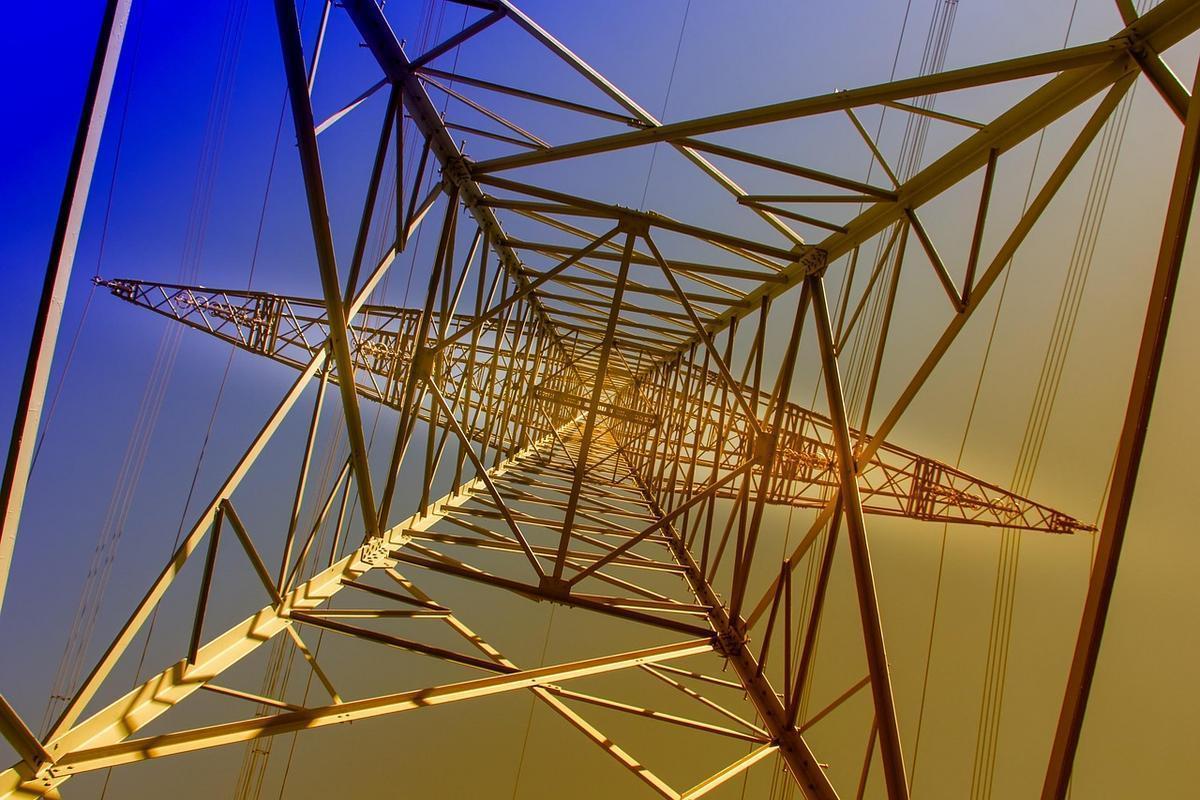
Even with reports of transmission tower outages due to adverse weather conditions, the system demonstrated superior resilience. The Basic Network availability metric reached 95.5% in October, an improvement over the 94.6% recorded the previous year. This indicator reflects the system’s ability to absorb disturbances without interrupting service to consumers.
The preventive measures adopted throughout the year helped maintain the safety and reliability of the National Interconnected System, even amid the adverse weather conditions observed in various Brazilian regions.
Regional hydrological disparities
The rainfall scenario shows significant contrasts between regions. While the Southeast and Central‑West began the wet season with above‑average precipitation—driven by cold fronts and the South Atlantic Convergence Zone—the North and Northeast face a more critical period. In the North region, in particular, the lack of rainfall remains a top priority concern.
A key focus of ongoing monitoring is the Xingu River basin, where the Belo Monte power plant operates in Pará. To optimize water use, the National Water and Basic Sanitation Agency (ANA) has temporarily authorized a relaxation of the minimum flow for the intermediate reservoir of the hydroelectric plant, allowing for more efficient energy generation management during peak demand periods.
The CMSE projects that, in the coming months, the SIN should maintain a positive performance, largely supported by contributions from the South and Southeast regions. The committee reiterated that monitoring will remain rigorous, focusing on reservoir recovery and ensuring power availability to meet growing consumption, guaranteeing that Brazil navigates the current climatic cycle without disruptions to national supply.