The strong rise of Chinese automakers is redefining the national automotive industry, challenging traditional giants with electrified vehicles and dramatically increasing competition in the Brazilian market.
The transportation sector in Brazil is undergoing a profound restructuring. The arrival and consolidation of Eastern manufacturers are reshaping drivers’ preferences and altering the pace of registrations in the light vehicle market.
This shift is driven by cars equipped with extensive onboard technology, connectivity, and sustainable propulsion. With competitive offerings, these brands are gaining rapid market share, previously dominated by long‑established domestic manufacturers.
Against this transformative backdrop, established companies such as Fiat, Volkswagen and Chevrolet face intense pressure and are adjusting their commercial strategies to stay competitive in an increasingly contested sales environment.
Significant growth in sales volume
Licensing figures reflect the swift expansion of these manufacturers across the country. In October 2026, Chinese‑origin brands reached 58,143 registrations of passenger cars and light commercial vehicles in Brazil.
This volume secured a 22.9% share of total sales for the period. For comparison, the same month last year, these companies captured only 10.5% of the market.
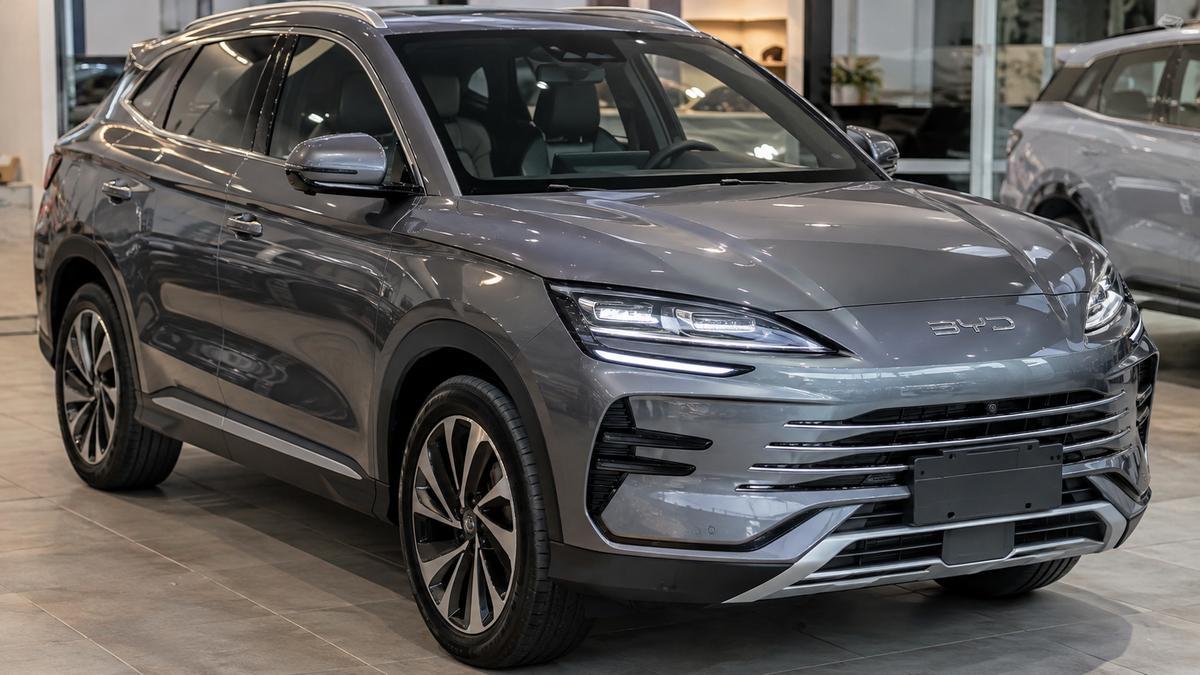
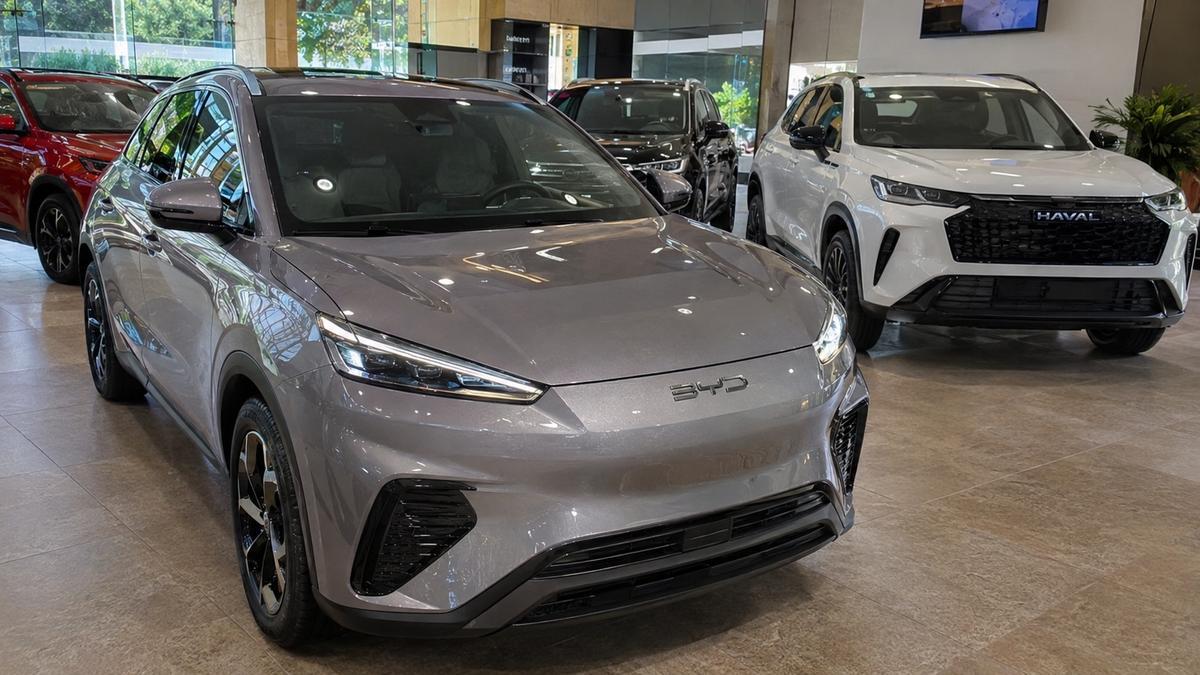
In practice, the 12.4‑percentage‑point increase means that nearly one in four light vehicles sold in the country now belongs to manufacturers such as BYD, GWM, Geely, Caoa Chery, GAC, Omoda & Jaecoo and Leapmotor.
One milestone of this shift occurred in April 2026, when BYD led sales in the automotive retail segment. That month, the Chinese manufacturer recorded 14,911 registrations directly to end consumers.
The brand outpaced historic competitors such as Volkswagen, which totaled 14,832 units, and Fiat, with 13,568 retail registrations. The data consider only direct sales to individuals, excluding fleet operators and rental companies.
In the following month, the automaker maintained a strong pace, recording a total of 24,114 units. The compact Dolphin Mini stood out by leading the national retail market with 5,841 sales, proving the growing popularity of electric models.
Industrial Investments and Production in Bahia
The new manufacturers’ activities went beyond selling imported models. The establishment of a large manufacturing hub in Camaçari, in the Greater Salvador area, marks the beginning of local production in Bahia.
The project occupied the industrial complex previously used by Ford. The initiative received announced investments of R$ 5.5 billion to build the assembly line and infrastructure in the region.
The initial factory capacity is projected at 150,000 cars per year, with plans to reach up to 600,000 units annually in subsequent phases. The venture aims to create up to 20,000 direct and indirect jobs.
This national production seeks to strengthen the Brazilian supplier chain, reduce dependence on imports, and develop specialized labor in the electric mobility sector.
Historic Milestone of Electrified Vehicles and Price Impact
The growth of electrified models reached a historic milestone in September 2026. According to a survey by ABVE (Brazilian Association of Electric Vehicles), the country surpassed one million electrified units sold since 2012.
In that single month of September, 53,126 vehicles in the category were sold, including fully electric models and hybrid versions. This volume demonstrates that electrification has moved beyond a niche market.
The intensification of competition requires traditional automakers to revisit prices, warranties, and equipment packages to maintain their market share.
To curb the rise of rivals, established brands respond with easier financing plans, targeted discounts, updated safety packages, and new investments in hybrid technology.
However, analysts point out that widespread reductions in final prices depend on complex economic factors. Currency fluctuations, tax burden, interest rates, and industrial component costs continue to influence the final pricing of vehicles.
Factors to Consider for Consumers
With the expansion of technological options, buyers must evaluate criteria that go beyond the initial purchase price. The reach of dealership networks and the availability of spare parts are key factors.
Other important aspects include resale depreciation, automotive insurance costs, contractual warranty periods, after‑sales services, and the ease of installing home charging stations.
The shift driven by Chinese manufacturers is reshaping Brazil’s automotive ecosystem. The fierce competition between new entrants and traditional automakers fuels innovation and broadens consumer choice.
In the coming years, the consolidation of service networks and the expansion of highway charging infrastructure will be decisive in cementing the position of these new brands in Brazil.