
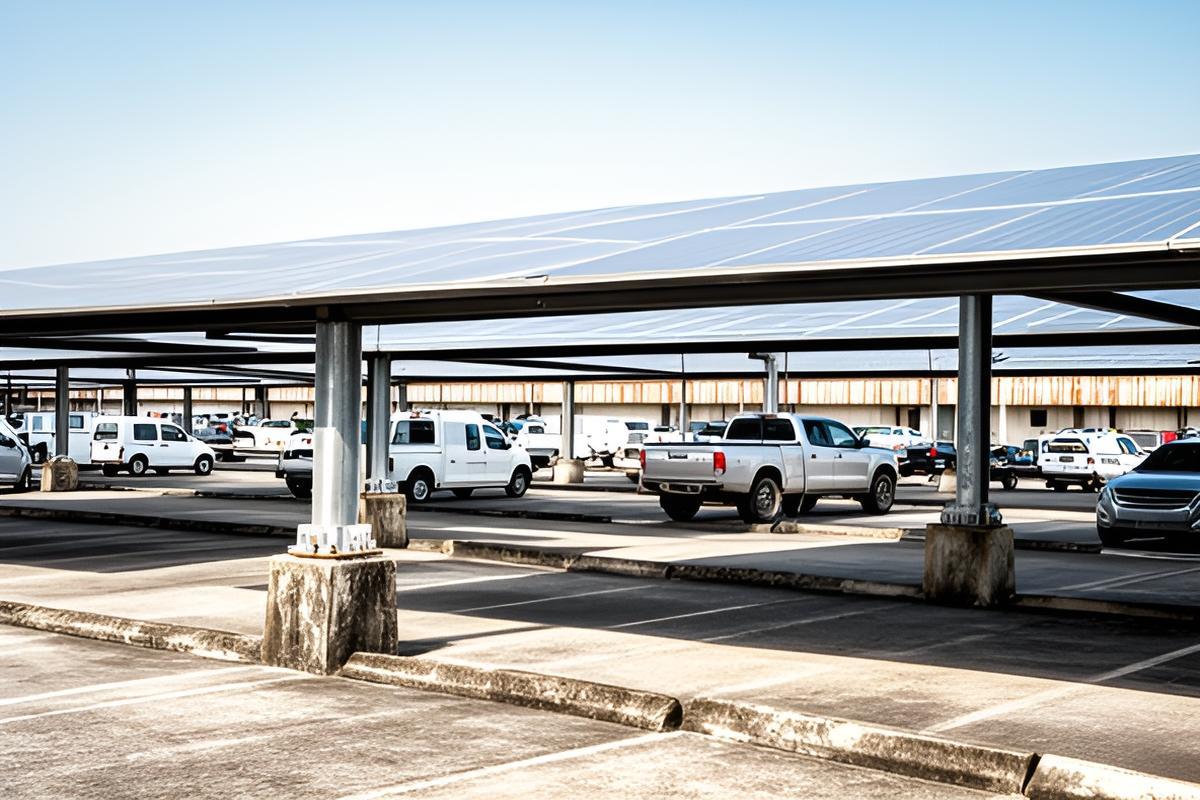
The state of Ceará has unveiled an impressive solar plant atop parking lots, reigniting the debate over the feasibility of photovoltaic structures in open areas and large commercial parking lots.
The installation of photovoltaic panels in parking lots has gained strong visibility with the recent delivery of a large-scale project in the state of Ceará.
The initiative, completed in October at Ceasa located in Maracanaú, demonstrates the versatility of solar energy by combining thermal protection for vehicles with clean electricity generation.
The public project mobilized about R$ 10.5 million in investments, achieving a capacity of approximately 1.4 MWp and an estimated production of up to 200,000 kWh each month.
This monumental infrastructure covers an area of over 4,800 square meters, housing hundreds of protected spots whose energy credits are directed to operational units in different regions of Ceará.
However, industry experts warn that replicating this model on private properties, such as condominiums or supermarket chains, requires rigorous technical analysis that goes far beyond simply copying public numbers or dividing the total cost by the number of available spots.
Engineering Challenges and Technical Viability
The installation of generating covers, known in the market as solar carports, demands in-depth civil and electrical engineering studies.
Factors such as vehicle clearance height, maneuvering flow, soil drainage, and shading incidence throughout the day determine the success of the arrangement.
Additionally, panel orientation and the capacity of the local distribution network directly influence the system’s real performance, which may differ from initial theoretical projections.
The building’s consumption profile is another key factor for financial return.
While commercial establishments with daytime peak operation immediately benefit from the generated electricity, residential buildings often record higher demand during nighttime, requiring specific compensation rules regulated by ANEEL.
Converting a parking lot into a mini power plant requires detailed financial planning, thorough structural inspection, and transparent commercial proposals that cover everything from civil foundations to approval by the local utility.
Next Steps for Investors and Condominiums
The promise of a zero electricity bill should be approached with caution, as mandatory fees, taxes, and maintenance costs continue to apply to consumer units.
Managers and owners interested in the technology are advised to obtain multiple detailed quotes that break down assumed energy losses, execution schedules, and structural guarantees.
With the growth of large public and private projects in the renewable energy sector, the national market is consolidating efficient alternatives to optimize paved spaces.
The current challenge is to turn the inspiration from major works into custom‑sized projects, ensuring legal security, operational efficiency, and economic predictability for the future.