
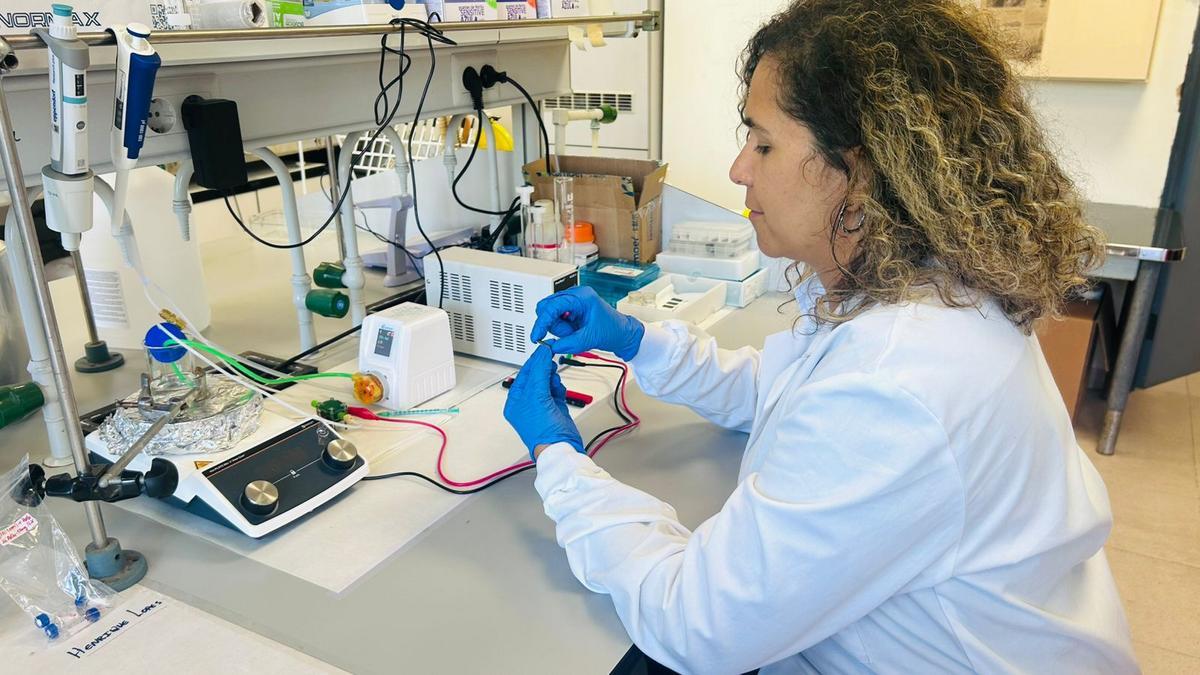
Brazilian scientists develop innovative method to produce titanium parts, promising to lower green hydrogen production costs and reduce energy consumption.
A pioneering study led by Brazilian scientists promises to revolutionize green hydrogen production. Using a combination of laser and microwave technology, researchers from the Federal University of São Carlos (UFSCar) and the University of Tiradentes (Unit) developed a method to manufacture more efficient and cheaper titanium anodes. This innovation, announced by the Center for Innovation in New Energies (CINE) in June 2026, could significantly reduce the cost of producing a clean fuel essential for the energy transition.
The study, published in the renowned scientific journal Electrochimica Acta in March 2026, focuses on a critical component for hydrogen generation via water electrolysis: the anode. The team, led by Professor Elton Sitta of UFSCar, sought to optimize the manufacturing process of this component, aiming to reduce heating time and energy consumption without compromising performance.
Optimizing the Heart of the Electrolyzer
The anode is the part that facilitates the separation of water into hydrogen and oxygen during electrolysis. The new approach involves coating a titanium base—known for its high corrosion resistance—with an ultra-thin layer of ruthenium and manganese oxides. This thin film acts as a catalyst, accelerating the chemical reaction that releases oxygen.
Researchers explored various ratios of these oxides, identifying combinations that exhibited ideal catalytic characteristics. The major differentiator, however, lies in the heating methods used to form and optimize this coating.
Laser and Microwaves: Accelerating Innovation
Traditionally, the manufacturing of catalytic components involves heating processes in conventional furnaces, which require significant time and energy. The Brazilian team compared three methods: conventional furnace, microwave, and laser. The results were striking: both laser and microwave dramatically reduced the processing time needed to produce the anodes.
This acceleration in manufacturing time not only signals a potential energy savings, but also opens the door to more agile and efficient large‑scale production processes. Components produced with these new techniques showed, in laboratory tests, superior catalytic activity during the oxygen release step, a critical phase in hydrogen production.
Professor Elton Sitta said:
“We were able to combine laser and microwave technology to greatly speed up component fabrication and, in addition, improve its performance in hydrogen production.”
More Accessible Green Hydrogen
Green hydrogen, produced from renewable energy sources, is a major bet for decarbonizing industrial sectors. However, the high cost of electricity consumed in electrolysis processes has been a bottleneck. More efficient catalysts, such as the one developed in this research, can help reduce that energy demand.
Although the researchers did not disclose an exact percentage reduction in commercial electrolyzer costs, the progress in manufacturing more efficient anodes and the potential energy and time savings are crucial steps toward making green hydrogen a more competitive alternative. The tests were conducted under conditions that simulate PEM (Proton Exchange Membrane) equipment, widely studied for use with renewable electricity.
Challenges and Future Outlook
The study also explored the viability of these anodes under more demanding conditions, such as using seawater. This application would be particularly interesting for reducing dependence on fresh water, although the presence of salts requires special attention to corrosion. Initial results in this area were also promising.
Microwave and laser techniques demonstrate strong potential for industrialization. Microwave heating can be adapted for mass production, while laser use can be integrated into automated continuous manufacturing systems. However, further studies are needed to validate the reproducibility of the results, the durability of components under prolonged operation, and integration with existing industrial processes.
The collaboration between UFSCar and Unit, with support from CINE, strengthens Brazil’s scientific capacity in developing energy technologies. Mastery of component fabrication techniques for electrolyzers can boost domestic production of these devices, reducing reliance on foreign technologies and strengthening the local industry. The research opens pathways for companies and other research centers to explore new configurations and materials, bringing the country closer to a cleaner and more sustainable energy future.