Brazil is projecting to convert its structural surplus of clean energy into a strategic hub for global data processing, leveraging international energy bottlenecks to boost the export of digital services and technology.
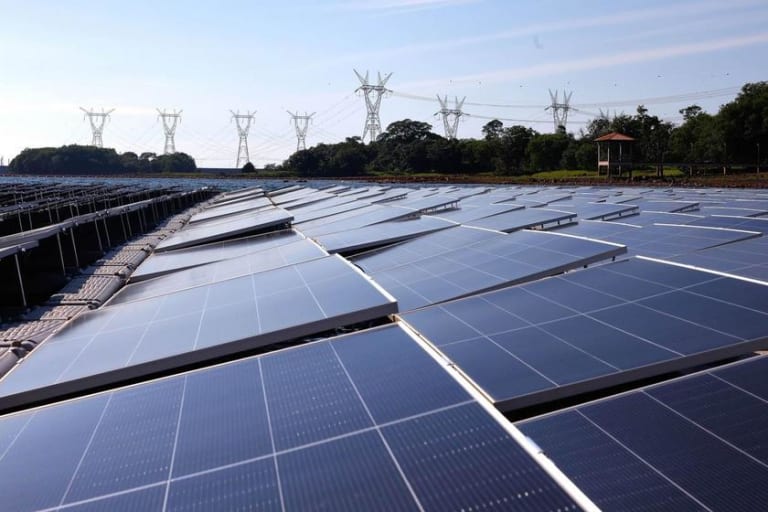
Brazil finds itself at the forefront of an unprecedented strategic opportunity in the technological infrastructure sector. With a considerable availability of surplus energy, the country is positioned to become a global data processing hub. According to experts, the transition to an intensive digital economy can be fueled by the country’s robust energy matrix, which attracts global investments in search of sustainable and secure solutions.
The international scenario favors this move. While the United States faces severe energy infrastructure restrictions limiting the connection of new ventures, Brazil emerges as a viable and efficient alternative. The strategy aims to integrate excess capacity with the growing global demand for storage and processing, consolidating the country as a net exporter of high-tech services.
The Data Center Expansion Strategy
The strategic vision was shared by Ricardo Alário, CEO of Odata for Latin America, during his participation in the program Alta Voltagem. According to the executive, the country has the capacity to meet the demands of foreign markets that are currently finding it difficult to scale their infrastructure.
“We will deploy data centers that will process data and export it to the rest of the world.”
To enable this goal, the role of Redata (Special Tax Regime for Datacenter Services) is fundamental. According to Alário, the tax incentive acts as an accelerator, attracting capital to a sector that was already showing maturity even before the new incentive policies.
The Role of Natural Gas in the Energy Transition
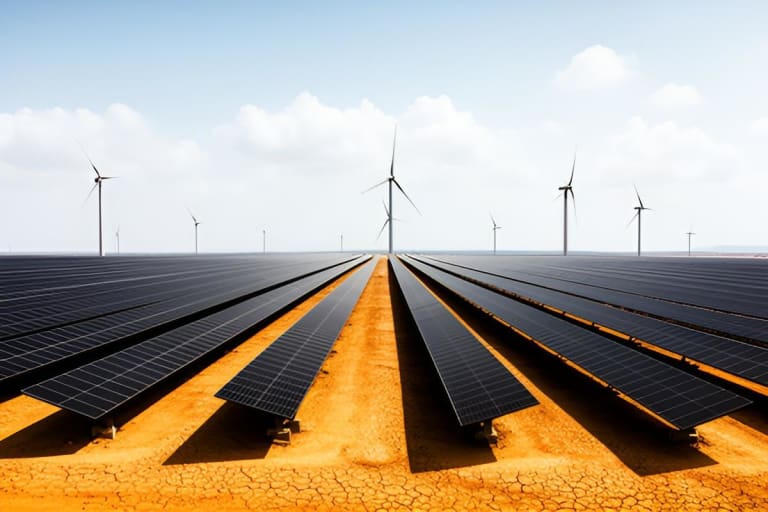
One of the central points of the debate lies in the composition of the matrix that will serve these data centers. The executive advocates for the inclusion of natural gas within the scope of Redata. The argument is that, to ensure continuous supply—essential for the uninterrupted operation of servers—the intermittency of sources like wind and solar needs to be mitigated by an efficient backup source.
This configuration reinforces the pursuit of a hybrid and reliable energy matrix. Technological integration not only benefits the IT sector but also strengthens the need for clear regulation that ensures the legal security of data processed on national territory, maintaining Brazilian competitiveness against other global tech hubs.
Prospects for the Digital Future
The expectation is that, with correct regulation and adequate infrastructure, Brazil will establish a new paradigm in service exports. The success of this initiative depends on the harmonization between the supply of renewable energy and the technical needs of major global players.
This movement not only consolidates Brazil’s position as a relevant player in the technology and energy sectors but also drives long-term economic development. The ability to transform energy surpluses into added digital value is undoubtedly the next major step for the modernization of the Brazilian economy on the international stage.