
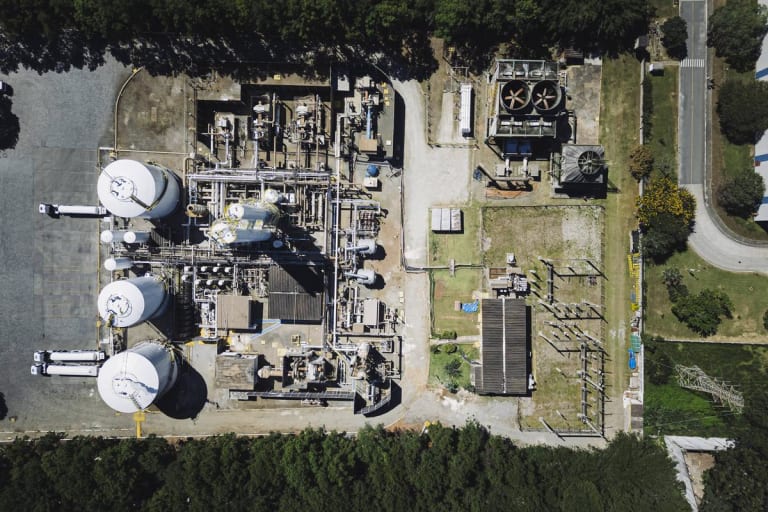
Brazil positions itself as a global hub for clean energy, attracting cutting-edge industries through green powershoring and driving the energy transition with a focus on sustainability and innovation.
In a global landscape increasingly focused on sustainability and energy security, Brazil is emerging as a promising destination for energy-intensive industries. A recent study, titled ‘Investment-Led Growth in Brazil’s Ecological Transition,’ reveals the country’s unique competitive advantages for the phenomenon known as green powershoring.
This strategic move aims to attract investments from sectors that demand large amounts of energy, offering a robust and sustainable alternative to the fluctuations and uncertainties associated with fossil fuels and geopolitical instabilities.
The research, a result of a collaboration involving Cetex (LSE) and ICS, highlights that Brazil’s energy matrix, predominantly renewable with strong participation from hydroelectric, wind, and solar energy, gives the country a significant competitive edge.
In addition to the abundance of clean energy, the availability of critical minerals, water resources, and biomass complement the portfolio of attractions, positioning Brazil as an ideal ecosystem for low-carbon industrial development.
From Energy Matrix to Sustainable Industrial Platform
The study, which features the expertise of renowned economists such as Luiz Awazu Pereira da Silva and former CCiF director, Jorge Arbache, points to a crucial challenge: transforming these natural and energy resources into a true low-carbon industrial platform.
The goal is to go beyond the mere export of commodities, adding value and promoting local technological development. The risk, as the authors warn, is falling into the so-called ‘green curse,’ where natural wealth does not translate into diversified economic and industrial development.
The Role of the Private Sector in Leading Investments
Given a scenario of public sector budgetary constraints, the study emphasizes the fundamental importance of the private sector in leading the investments necessary for the consolidation of green powershoring in Brazil.
The private sector has the crucial role of leveraging available resources, driving innovation, and ensuring that the benefits of the energy transition translate into economic growth and sustainable development, strengthening the country’s position as a protagonist in the global green economy.
Impact and Projections for the Future of Clean Energy in Brazil
The potential for attracting energy-intensive industries through green powershoring represents a milestone for Brazil. This movement will not only boost the economy but also strengthen the country’s commitment to decarbonization goals and the energy transition.
The expectation is that this strategy will create a virtuous cycle of investments, technological innovation, and skilled job creation, consolidating Brazil as a global power in clean energy and sustainable industrial development in the coming decades.